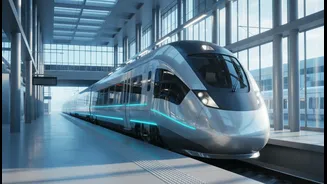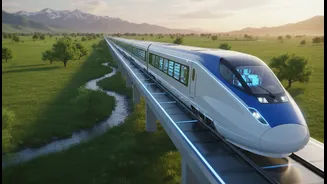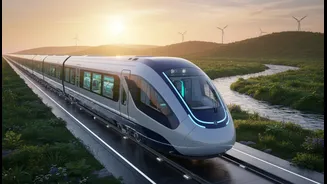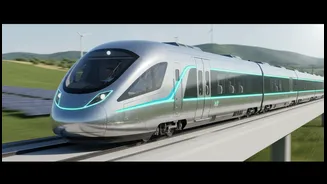








A Green Flag-Off
The landmark moment is scheduled for July 17, 2026, when Prime Minister Narendra Modi is expected to inaugurate the service from Jind in Haryana. The train will begin its commercial run on the 89-kilometre Jind-Sonipat route, a non-electrified corridor
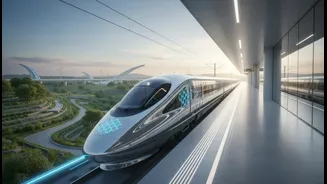
where this technology offers a significant upgrade. For passengers, this means the current journey time of about two hours will be slashed to just one. This pilot project is more than just a new train service; it's a statement of intent, positioning India among a select group of nations like Germany and Japan that are pioneering hydrogen mobility on rails. It represents a crucial first step in Indian Railways’ ambitious plan to achieve Net Zero carbon emissions by 2030.
How Does It Work?
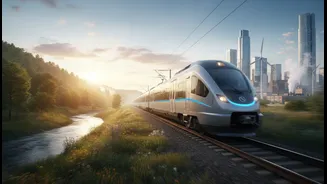
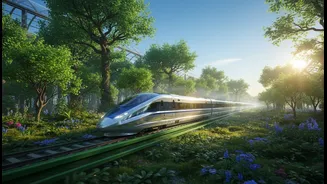
So, what makes a hydrogen train so special? Unlike diesel locomotives that burn fuel and release harmful emissions, a hydrogen train is essentially an electric train that generates its own power onboard. The process is clean and quiet. Inside the train's power cars, hydrogen stored in high-pressure tanks is combined with oxygen from the air in a device called a fuel cell. This electrochemical reaction produces electricity to power the motors, with the only byproduct being pure water vapour. There is no smoke, no soot, and no carbon dioxide. It’s a technology that promises to transform the environmental footprint of rail travel, especially on routes where installing overhead electrical lines is difficult or uneconomical.
Meet India's First Hydrogen Train
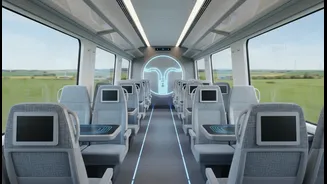
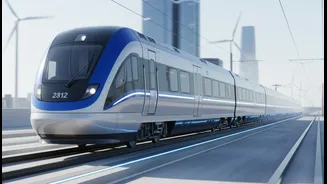
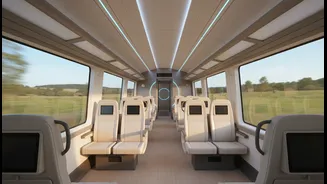
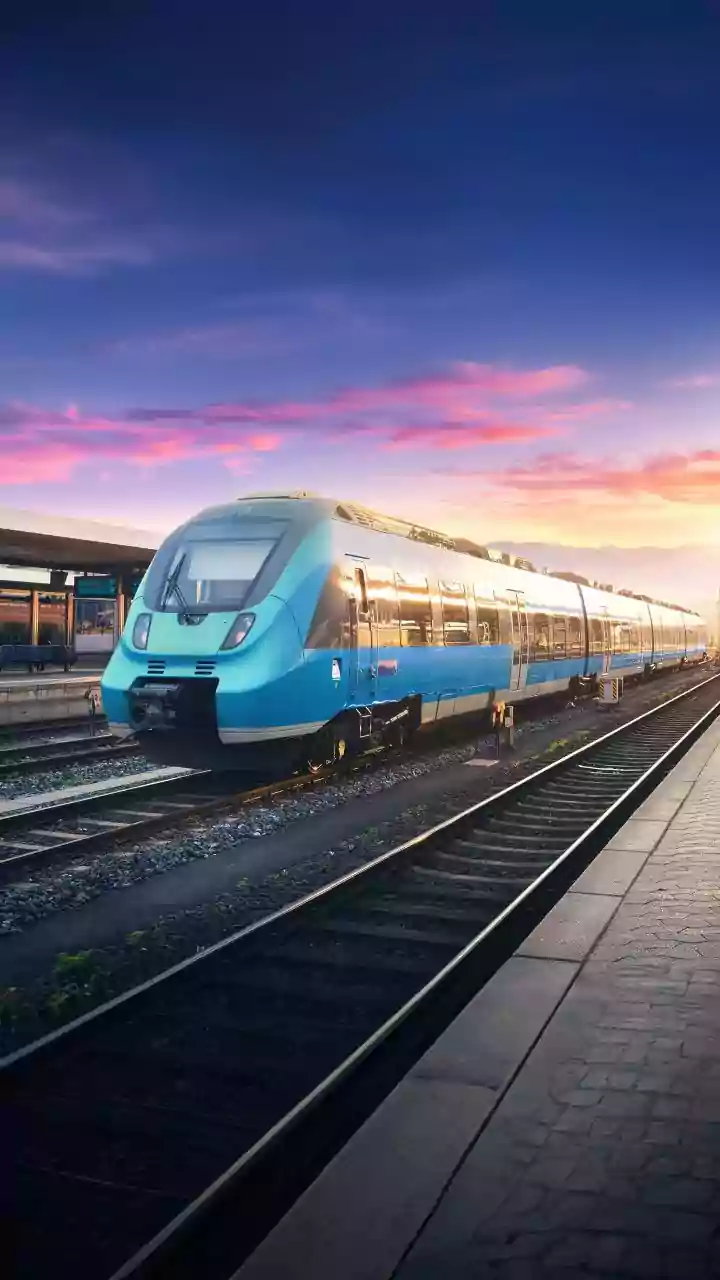
The train itself is a marvel of indigenous engineering and international collaboration. Built at the Integral Coach Factory in Chennai, it is a retrofitted 10-coach Diesel Electric Multiple Unit (DEMU) rake. It consists of eight passenger coaches and two driving power cars, making it the world's longest hydrogen train on a broad-gauge network. The train has a seating capacity for 682 passengers but can carry a total of 2,600 people. While it was tested at speeds of up to 120 km/h, its operational speed on the Jind-Sonipat section will be a brisk 75 km/h. The critical fuel cell modules have been supplied by Canada's Ballard Power Systems and integrated by Hyderabad-based Medha Servo Drives, showcasing the 'Make in India' initiative's spirit of global partnership.
Beyond Just One Route
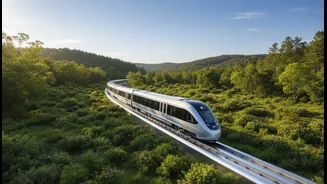
The Jind-Sonipat line is just the beginning. This launch is the flagship of a broader strategy called ‘Hydrogen for Heritage’. Indian Railways plans to introduce 35 such trains across its network, primarily on scenic and challenging heritage routes, such as those in hilly regions, where electrification is complex and expensive. By replacing old diesel units on these lines, the Railways aims to offer a cleaner, quieter, and more sustainable experience for tourists and locals alike. This entire effort is a cornerstone of India’s National Green Hydrogen Mission, a multi-crore government initiative to establish the country as a global hub for the production and use of clean hydrogen energy.
The Road Ahead: Promise and Hurdles
The potential is immense. A successful rollout of hydrogen trains could drastically cut Indian Railways' massive diesel import bill and significantly reduce its carbon footprint. However, the path forward is not without challenges. The primary hurdle is cost. A single hydrogen train costs an estimated ₹80 crore, with ground infrastructure adding another ₹70 crore per route. Furthermore, for the technology to be truly green, the hydrogen itself must be produced using renewable energy, and scaling up this 'green hydrogen' production is a major national undertaking. Safety is also paramount. Hydrogen is highly flammable, and the train and its dedicated refuelling station at Jind are equipped with multiple layers of safety systems, including leak detectors and constant monitoring, to ensure secure operation.