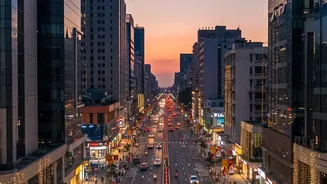






What makes a street cool in 2026? It's less about grand monuments and more about vibrant community life. A new list reveals the top spots globally where food, fun, culture, and walkability create unforgettable urban experiences.
The New Definition of Cool
According to the annual
list published by Time Out, the 'coolest' streets are those where locals love to hang out. The criteria go beyond simple aesthetics, focusing on a street's food and drink scene, nightlife, shopping, unique local businesses, and overall community spirit. This year's ranking celebrates places with a 'palpable buzz', where creative energy is high and a strong sense of local character shines through. It’s a shift from tourist-heavy thoroughfares to authentic neighbourhood hubs that offer a real cross-section of city life.
Bangkok: A Riverside Revival
Topping the 2026 list is Song Wat Road in Bangkok. Running alongside the Chao Phraya River, this historic trading street in Chinatown has transformed from a sleepy strip of warehouses into a buzzing creative hub. What makes it special is the blend of old and new; century-old shophouses now contain specialty coffee shops, modern art galleries, and innovative restaurants, all while traditional family-run businesses continue to thrive alongside them. A local business collective called 'Made in Song Wat' has been instrumental in this revival, fostering a community spirit through shared events and dinners.
London: Multicultural Heartbeat
In second place is Golborne Road in West London, a street celebrated for its rich, multicultural character. This isn't the polished London of postcards, but a vibrant area defined by its mix of Portuguese cafés, Moroccan restaurants, and traditional food shops. It’s a street with a 'soul', according to one local business owner, that has retained its unique identity without chasing trends. From the iconic Trellick Tower at one end to the eclectic mix of indie shops and market stalls, Golborne Road offers a taste of the community spirit that makes the city tick.
Buenos Aires: A Foodie Haven
Fernández de Enciso in Buenos Aires, ranked third, highlights the growing global appreciation for pedestrian-friendly spaces. This tree-lined street in the Villa Devoto neighbourhood has blossomed into a major foodie hotspot, with outdoor tables from new restaurants and cafes filling the walkway. Its charm lies in its connection to the nearby Plaza Arenales, a public square where the community gathers, creating a seamless flow between dining, socialising, and leisure. The street's design invites people to slow down and enjoy the local atmosphere, making it a landmark of community-focused urban living.
The Walkability Trend in India
While no Indian street made the global top ten this year, the principles celebrated by the list are gaining serious momentum across the country. For decades, Indian cities have often prioritised cars, leaving pedestrians to navigate obstructed or non-existent footpaths. However, a shift is underway. Cities are beginning to reclaim streets for people, recognising that walkability boosts local economies, improves public health, and creates safer, more vibrant communities. Projects like the pedestrianisation of Bengaluru's Church Street, which is now a bustling hub, and Chennai’s pioneering Non-Motorised Transport Policy, demonstrate a growing commitment to creating people-first urban spaces. These initiatives show that the future of the 'cool' Indian street lies in making them safer, more accessible, and more enjoyable to walk down.