



From Tremor to Phone Screen
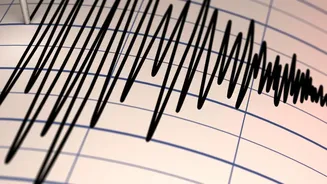
The technology works by detecting the first, faster-moving waves of an earthquake, known as P-waves. These waves are generally less destructive but travel quicker than the more damaging S-waves that follow. Networks of sensitive devices, called accelerometers,
detect the initial P-wave tremors. These devices can be dedicated seismic sensors or even the accelerometers already built into millions of smartphones. Once a tremor is detected by multiple sensors, the data is instantly sent to a central server. Algorithms analyze the signals to confirm an earthquake is happening, estimate its location and magnitude, and determine where the destructive shaking is headed. This entire process happens in a fraction of a second, allowing an alert to be broadcast to phones in path of the earthquake. This alert travels at the speed of light, far faster than the seismic waves moving through the ground.
The Power of a Few Seconds
While an alert might only provide a few seconds to a minute of warning, that time is incredibly valuable. It can be enough for people to perform the crucial “drop, cover, and hold on” maneuver, which significantly reduces injuries from falling objects. A few seconds' notice allows surgeons to stop procedures, workers to move away from hazardous materials, and trains to be slowed to prevent derailment. Automated systems can even be triggered to shut off gas lines to prevent fires, a major secondary hazard after an earthquake. Studies have shown that early warning systems have the potential to reduce injuries by more than 50 percent and that the economic benefits of preventing damage and saving lives far outweigh the costs of implementing the system.
A Global Network of Sensors
The key to these systems is a dense network of sensors. Traditionally, this meant installing expensive, high-maintenance seismometers. While effective, their cost limited deployment, especially in many earthquake-prone regions. The Internet of Things (IoT) has changed the game by making it affordable to deploy thousands of smaller, cheaper sensors. Furthermore, crowdsourced approaches are turning smartphones themselves into a vast, planet-spanning detection network. Google's Android Earthquake Alerts system, for example, uses the accelerometers in active Android phones to detect seismic activity. When your phone is stationary and plugged in, it can act as a mini-seismometer. If it detects shaking consistent with a P-wave, it sends a signal to a central server. By aggregating data from thousands of phones in an area, the system can confidently issue an alert. This approach supplements traditional seismic networks and brings early warning capabilities to regions that previously had none.
Challenges and the Road Ahead
Despite its promise, the technology is not without challenges. The effectiveness of the warning depends heavily on the distance from the epicenter; those very close may get little to no warning before the shaking starts. False alarms are another concern, as they can erode public trust in the system. To combat this, systems often use a threshold, only sending out “Take Action” alerts for stronger quakes predicted to cause significant shaking. As sensor networks become denser through the wider adoption of IoT devices and machine learning algorithms become more sophisticated at analyzing the data, these systems will only grow more accurate and reliable. The future of earthquake safety is moving from a purely reactive model to a proactive one, where technology provides a crucial buffer between the planet’s awesome power and public safety.