

Beyond the Classic Spread
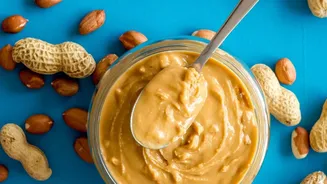
For decades, the toast-topper aisle was a predictable space dominated by fruit jams loaded with sugar and simple peanut butter. While a beloved staple, traditional spreads often came with hidden unhealthy ingredients like refined sugars, hydrogenated
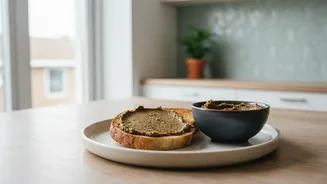
oils, and artificial preservatives. As consumers, particularly younger millennials and Gen Z, become more health-conscious and ingredient-savvy, they are increasingly rejecting these legacy products in favour of cleaner, more functional alternatives. This has created a fertile ground for innovation, with a new generation of food entrepreneurs seeing a gap in the market for spreads that are both delicious and genuinely nutritious. The demand is no longer just for something to spread on bread; it's for a food that adds nutritional value, supports specific dietary goals, and brings exciting new flavours to the table.
The Flavour Revolution: Spices and Seeds
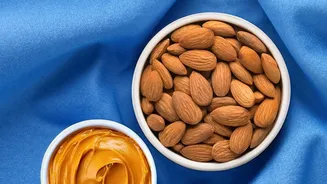
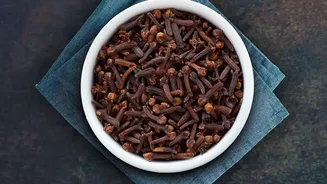
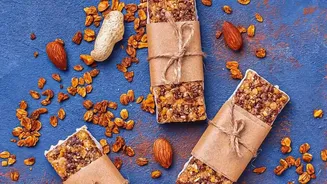
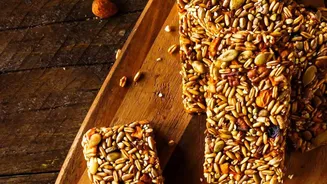
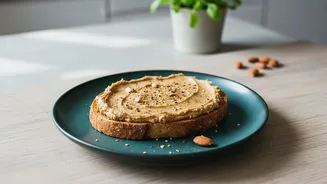
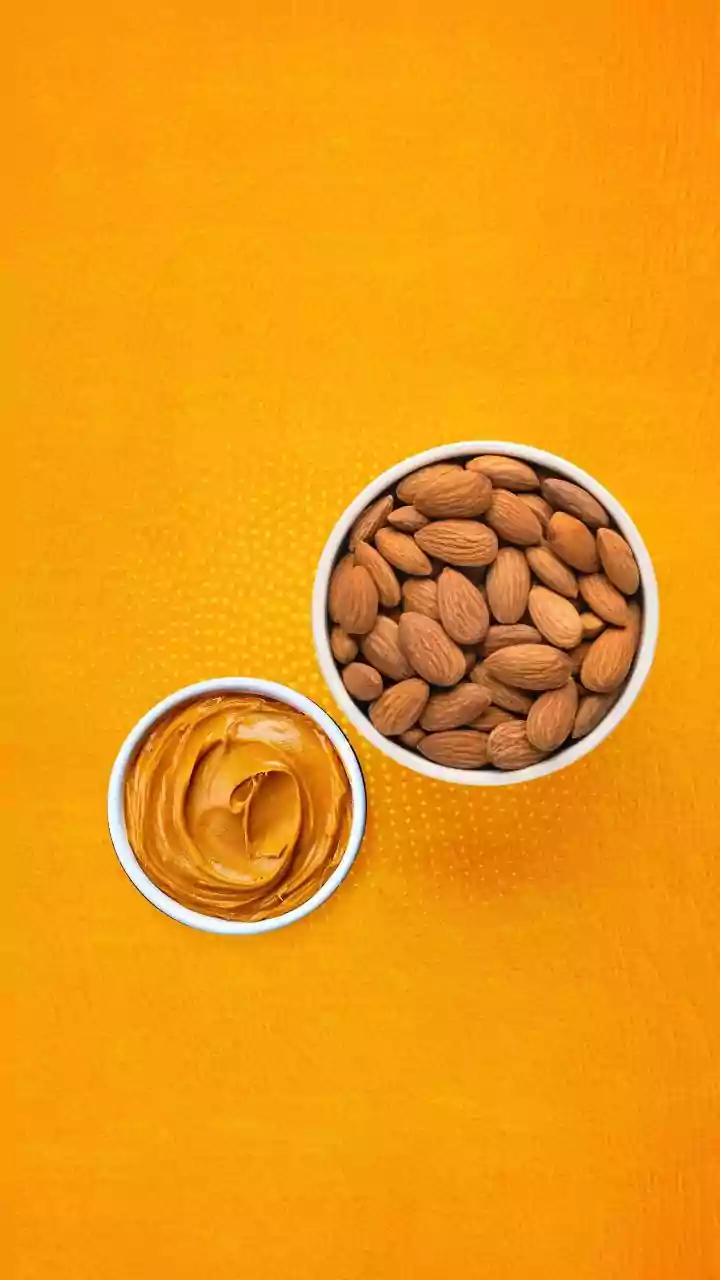
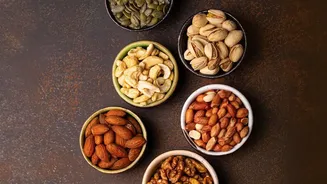
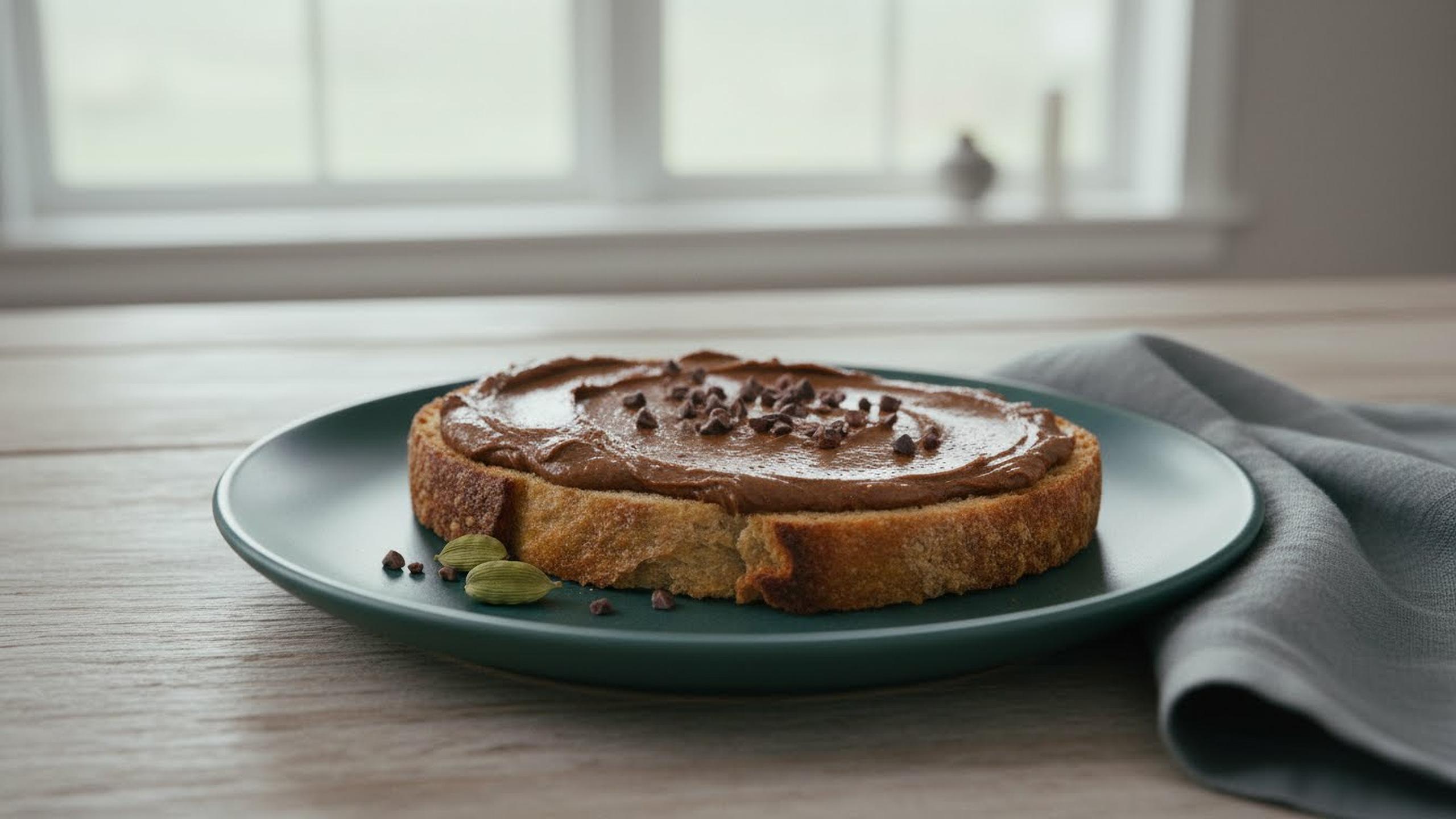
The new-age nut butter is anything but plain. Young founders are raiding the spice box, infusing their creations with familiar Indian and global flavours. Imagine almond butter swirled with warming cinnamon, cashew butter with a spicy peri-peri kick, or even peanut butter inspired by traditional thandai. These additions do more than just add flavour; they introduce a new dimension to how butters can be used, turning them into savoury dips, marinade bases, or complex additions to sauces and gravies. Alongside spices, seeds are another hero ingredient. Brands are incorporating flax, chia, pumpkin, and sunflower seeds, not only for texture but also for their dense nutritional profiles, which include omega-3 fatty acids, zinc, and magnesium. This combination of nuts, seeds, and spices creates a product that is layered in flavour and packed with health benefits.
Meet the New-Gen Innovators
Across India, a wave of direct-to-consumer (D2C) brands is being helmed by young innovators, many of whom started their journey from their own kitchens. Often, the business was born from a personal need—like an athlete seeking better fuel for their workouts or someone managing a health condition who couldn't find suitable options in the market. Take, for example, brother-sister duos who launch brands to create products with minimal, clean ingredients, or nutritionists who co-found companies to fill the market gap for high-quality nut butters. Their approach is defined by a 'clean label' philosophy, meaning no artificial additives, colours, or unnecessary ingredients. By using techniques like slow-roasting and stone-grinding, they preserve the natural flavour and nutrients of the nuts and seeds, offering a product that is as close to its natural state as possible.
Decoding the Low-Glycemic Promise
A key selling point for these modern butters is their suitability for a low-glycemic lifestyle. A low-glycemic diet focuses on foods that do not cause sharp spikes in blood sugar levels, promoting sustained energy and better metabolic health. To achieve this, founders are ditching refined white sugar, which has a high glycemic index. Instead, they are turning to natural sweeteners that have a gentler impact on blood sugar. Ingredients like dates, organic jaggery, coconut sugar, and plant-based sweeteners like monk fruit are now common on ingredient lists. Some brands even offer completely unsweetened versions for purists, keto dieters, or those managing diabetes. This focus on mindful sweetening ensures the butters can be enjoyed without the guilt or the energy crash associated with sugary spreads.