




The Run-Out That Lit the Fuse
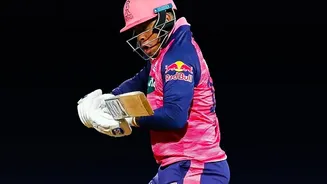
The first major flashpoint came during the West Indies innings. Shimron Hetmyer, known for his explosive batting, was at the crease and looking to make an impact. A moment of hesitation on a quick single proved fatal. A misfield by Axar Patel seemed to offer
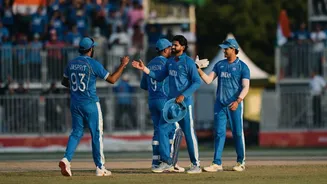
a run, but a lightning-fast recovery and a laser-sharp throw from captain Shreyas Iyer to wicketkeeper Sanju Samson found Hetmyer scrambling. He launched into a desperate dive, but replays showed the cruel physics of the moment. As his bat slid towards the crease, it bounced just before reaching safety. For a split second, as Samson whipped off the bails, the bat was in the air, with no part of it or Hetmyer grounded behind the line. The third umpire reviewed it multiple times before making the tough but technically correct call. Hetmyer was out. The West Indian star was visibly furious, remonstrating with the on-field umpires before trudging off, his innings cut short at just five runs. While the decision adhered to the letter of the law, it highlighted a rule that often feels harsh and ignited debate among fans and pundits.
A Catch of Inches and Outrage
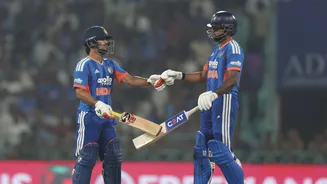
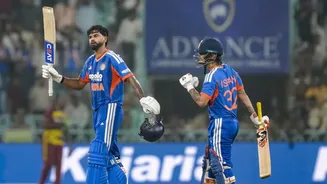
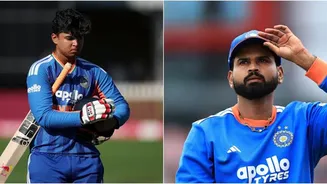
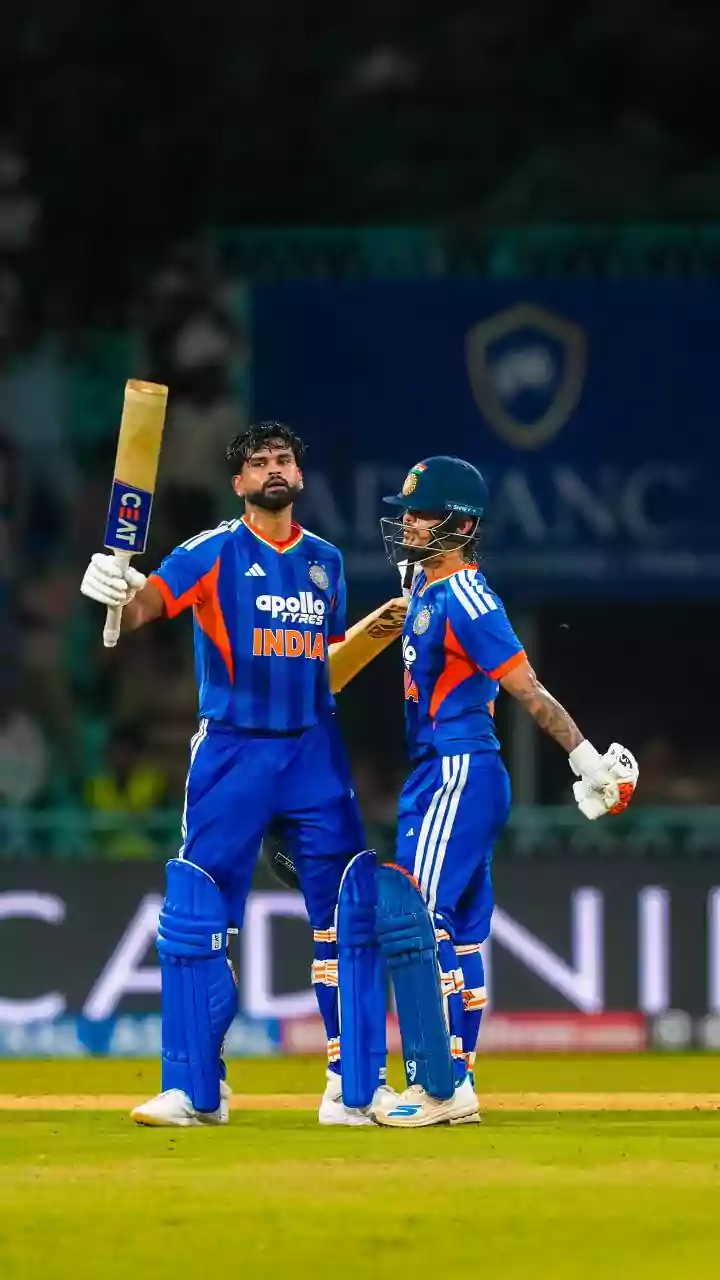
The second controversy unfolded during India's chase. Ishan Kishan, batting aggressively, sliced a delivery towards deep cover. West Indian fielder Matthew Forde sprinted in from the boundary and took a spectacular, low diving catch. The visitors celebrated what they believed was a crucial breakthrough. However, the on-field umpires were not entirely convinced and referred the decision to the third umpire, Rohan Pandit, to verify if the catch was clean. The replays were agonizingly close. Forde appeared to get his fingers under the ball, but as he slid forward, the angle of the camera made it difficult to determine conclusively if the ball had grazed the turf. For a catch to be legal, the fielder must have complete control of the ball and it cannot touch the ground in the act of catching. With no definitive evidence to overturn the on-field soft signal of 'not out', the benefit of the doubt went to the batsman. Ishan Kishan was given a lifeline. The decision was met with disbelief and anger from the West Indian players. Forde collapsed to the ground, and his teammates surrounded the umpires, shaking their heads in frustration.
So, Was It Bias or Just Tough Calls?
The headline's question hangs heavy: were the umpires favouring India? Looking at the two incidents side-by-side, a simple narrative of bias is difficult to sustain. The Hetmyer run-out, while unfortunate for the batsman, was a decision based on a clear, albeit strict, interpretation of the rules. His bat was in the air. Out. The Kishan catch, on the other hand, was a classic case of insufficient evidence. Third umpires are instructed not to guess; if the replay is not 100% clear, they must stick with the on-field call or favour the batter. One decision went against the West Indies, and one went against them again (by not overturning the on-field call in their favour). This suggests not a conspiracy, but rather the immense difficulty of officiating in the modern game. With high-definition cameras capturing every millisecond and every blade of grass, umpires are under more pressure than ever. These were marginal calls, the kind that can go either way and will always leave one side feeling aggrieved.
The Human Element in a Game of Technology
Ultimately, these moments remind us that despite theDecision Review System (DRS) and advanced technology, cricket is still a game with a significant human element. The technology provides more angles, but a human must still interpret what they see. Was there a blade of grass between Forde’s fingers and the ball? Did Hetmyer’s bat bounce because of the ground's hardness or his own technique? These are the questions that fuel the passion and endless post-match analysis that fans love. The frustration of the West Indian players was palpable and understandable. In the heat of the moment, it's easy to feel like the world, and the umpires, are against you. These controversies don't necessarily prove bias, but they do add a layer of drama and narrative to the sport, feeding rivalries and ensuring that the match will be remembered for more than just the runs and wickets.