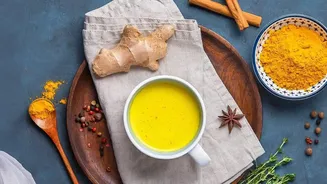






The Golden Power of Turmeric
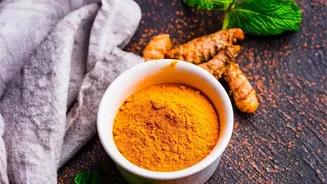
Turmeric, the vibrant yellow spice common in Indian cuisine, has been a staple in Ayurvedic medicine for centuries. Its main active compound, curcumin, is a powerhouse of antioxidant and anti-inflammatory properties. Chronic inflammation is linked to numerous
health conditions, and incorporating ingredients that help manage the body's inflammatory response can be beneficial. Turmeric's antioxidant capabilities help protect the body from free radicals, which are unstable molecules that can cause cellular damage. Traditionally, it is used to support digestion, liver function, and overall immunity. When added to a warm infusion, its earthy, slightly bitter taste provides a comforting base.
The Warming Spice: Ginger
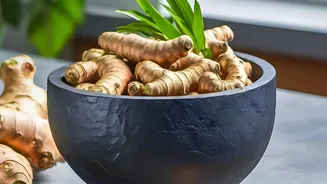
A close relative of turmeric, ginger is prized for its spicy, pungent flavour and extensive health benefits. Its primary bioactive compound, gingerol, is responsible for many of its medicinal properties, including its potent anti-inflammatory and antioxidant effects. Ginger is perhaps best known for its ability to aid digestion and soothe an upset stomach. It can help alleviate nausea, reduce bloating, and stimulate the body's digestive enzymes. Its warming nature helps to improve circulation, making a ginger-infused tea a perfect choice during colder months or when you're feeling under the weather. This versatile root adds a spicy kick to any infusion, promoting a sense of warmth and well-being from within.
The Queen of Herbs: Tulsi
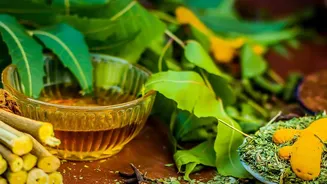
Tulsi, or Holy Basil, is revered in Ayurveda and often called the 'Queen of Herbs'. It is classified as an adaptogen, which means it helps the body adapt to stress and maintain balance. In a fast-paced world, managing stress is crucial for overall health, and tulsi can help promote a sense of calm and mental clarity. It is also rich in antioxidants and has traditionally been used to support respiratory health and a robust immune system. Its antimicrobial properties make it a valuable addition to wellness teas, especially during seasonal changes when the body might need extra support. Tulsi has a slightly clove-like, peppery flavour that blends beautifully with the other spices.
How to Create Your Wellness Infusion
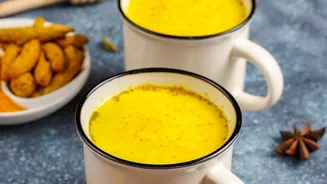
Making this beneficial infusion at home is remarkably simple. You can use either fresh or dried ingredients, though fresh is often preferred for a more potent flavour. Here’s a basic recipe to get you started. In a saucepan, bring about two cups of water to a boil. Add half a teaspoon of turmeric powder or a few slices of fresh turmeric root, along with a one-inch piece of grated or thinly sliced fresh ginger. Reduce the heat and let the mixture simmer for 5-10 minutes. Finally, add a handful of fresh tulsi leaves (around 8-10) and let it steep for another two minutes before straining. Simmering the ginger and turmeric longer will result in a stronger brew.
Customise Your Brew and Best Practices
The beauty of this home infusion lies in its versatility. For a touch of sweetness and an extra soothing effect, add a teaspoon of raw honey after the tea has cooled slightly, as boiling water can diminish its beneficial properties. A squeeze of fresh lemon juice can add a boost of Vitamin C and a bright flavour. To enhance the absorption of turmeric's curcumin, add a small pinch of black pepper. This simple addition can significantly increase its bioavailability. Enjoy this tea in the morning to kick-start your day or in the evening as a calming ritual. While this infusion is generally safe for most people, moderation is key. Those on blood-thinning medications or pregnant women should consult a healthcare provider before making it a regular part of their routine.