



An Opportunity Seized
Cricket careers are often defined by moments when preparation meets opportunity. For Devdutt Padikkal, that moment arrived on the Sri Lankan tour in August 2026. Initially on the sidelines, he was drafted into the playing XI only after the designated
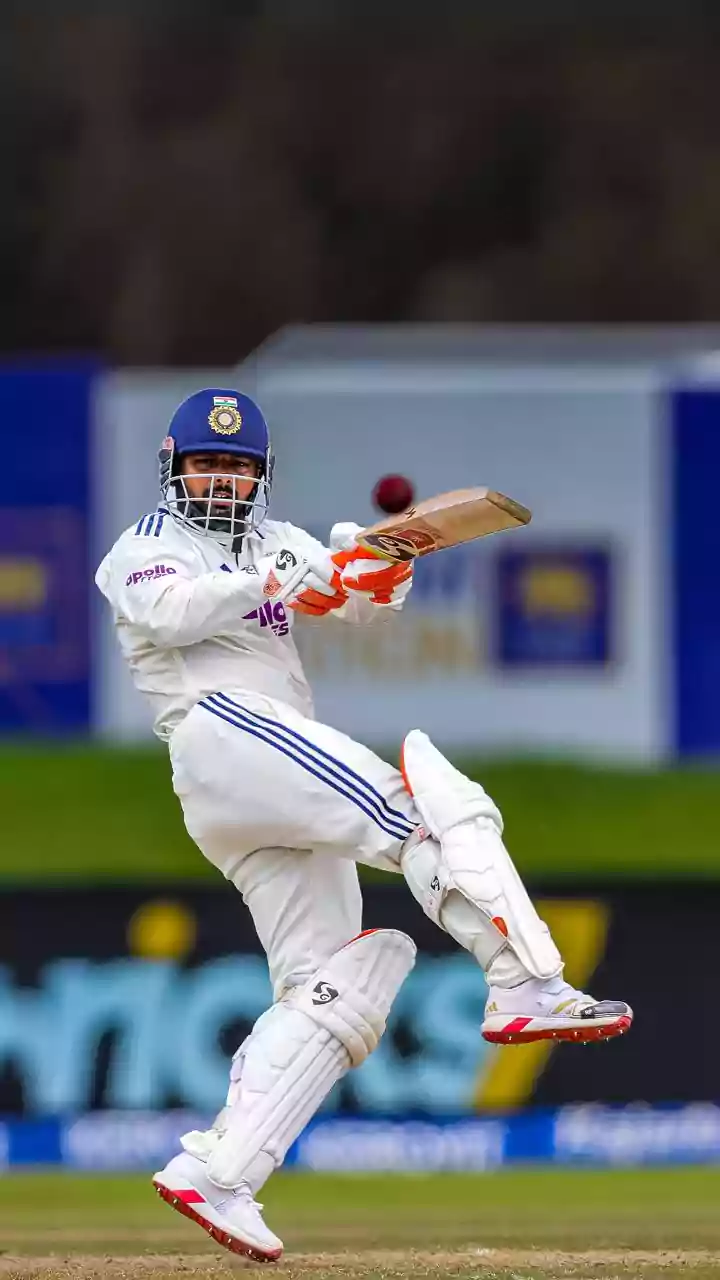
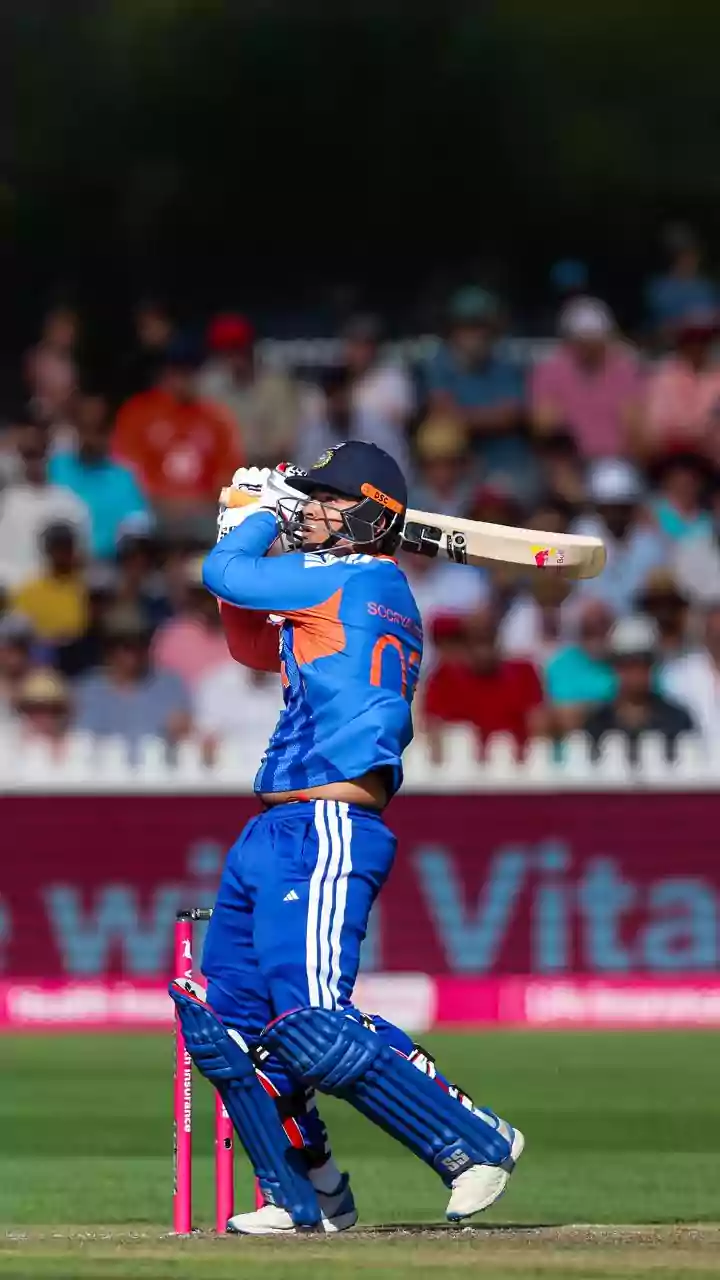
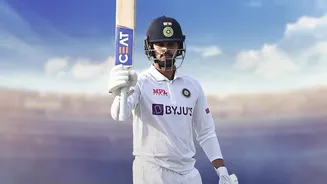
No. 3, Sai Sudharsan, was ruled out with an injury. What followed was nothing short of spectacular. In the first Test at Galle, the left-hander compiled a magnificent 167, an innings that not only set up India’s victory but also broke a 35-inning century drought for an Indian No. 3. As if to prove it was no fluke, he scored another fluent hundred on the first day of the second Test in Colombo, becoming the talk of the cricketing world. The headline writes itself: two Tests, two spectacular, series-defining tons.
Solving India’s Biggest Problem
The No. 3 batsman is the pivot of a Test batting lineup, the player tasked with blunting the new ball and setting the platform for the middle order. Since the departure of Cheteshwar Pujara, India has grappled with finding a worthy successor. Several players were tried, but none could provide the stability and authority the position demands. Padikkal’s arrival has felt like a breath of fresh air. His maiden ton was the first by an Indian at that position in 19 Tests. His performance wasn't just about the runs, but the manner in which they were scored—with a blend of classical technique and modern assertiveness, giving the top order a solidity it has sorely missed.
The Right Man for the Job?
Commentators and former players have been quick to praise the 26-year-old’s credentials. South African legend AB de Villiers, weighing in on the debate before the series, backed Padikkal for his calm demeanour and solid technique, qualities essential for a Test No. 3. In Sri Lanka, Padikkal demonstrated exactly that. He showed composure against Sri Lanka’s spinners, using his feet well and controlling the tempo of the innings. While he received a couple of reprieves in his second century, his ability to capitalize on those chances speaks to a strong temperament. He has shown he can absorb pressure and, more importantly, convert his starts into substantial, match-winning scores, a quality that separates the good from the great.
A Welcome Selection Dilemma
Of course, Padikkal’s success creates what coaches call a ‘happy problem’. Sai Sudharsan was the team’s first choice for a reason, and his own domestic form has been compelling. The management also has the aggressive Sarfaraz Khan as another option. However, cricket selection often follows a simple rule: possession is nine-tenths of the law. Padikkal was given a chance and has delivered performances that cannot be overlooked. According to India's batting coach, Sitanshu Kotak, the team values flexibility and a player's ability to adapt over a rigid batting number. But with back-to-back centuries, Padikkal has made a powerful argument that his best position is No. 3, and that he should be the one to continue there.
The Real Test Is Yet to Come
While his exploits in Sri Lanka are monumental, the word “cemented” carries significant weight in Test cricket. As analyst Aakash Chopra noted, the true measure of his abilities will come in more challenging overseas conditions. Upcoming tours to New Zealand and a crucial home series against Australia will test his technique against high-quality pace, swing, and different types of spin. Sustaining this form against the world's best attacks is the next, and most difficult, step. His start has been a dream, but cementing a spot in the Indian Test team requires consistent excellence over a long period, across all conditions. He has laid the strongest possible foundation; now he must build an unshakeable structure upon it.