








The Myth of the Perfect Chair
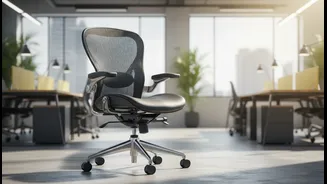
We’ve all seen them: expensive, futuristic-looking chairs that promise to solve all our desk-related woes. The core idea behind traditional ergonomics has been to create a chair that holds your body in a single, “correct” posture. This is known as passive
sitting, where the chair takes on the structural work that your muscles should be doing. While a supportive chair is better than a bad one, the science is clear: staying static for hours is the real enemy. Research shows that prolonged sitting, even with good posture, is linked to a host of health issues, including heart disease, diabetes, and chronic back pain. The problem isn’t the chair failing to support you; it’s that it supports you too well, allowing your muscles to switch off and your metabolism to slow down.
Your Body Craves Movement
The human body is designed to move. When you sit still for long periods, your hip flexor muscles shorten, your gluteal muscles can weaken in a phenomenon sometimes called 'gluteal amnesia', and the discs in your spine get compressed. Our spinal discs are avascular, meaning they lack a direct blood supply and rely on body movement to absorb nutrients and stay hydrated. When we remain in one position, this process is hindered. The reality check is this: there is no single perfect posture. The belief that we can find one ideal position and hold it all day has been thoroughly debunked. The true key to musculoskeletal health is variety and continuous movement, even on a small scale.
The Rise of Active Sitting
Enter the concept of “active” or “dynamic” sitting. Instead of locking you into a fixed position, active sitting chairs are designed to encourage micro-movements while you work. These chairs often feature an unstable or flexible base that requires your core muscles to engage subtly to maintain balance. This isn't about doing a workout at your desk. It’s about enabling the small, almost unconscious shifts and adjustments your body naturally wants to make. These constant movements help improve circulation, keep your core and back muscles engaged, and prevent the stiffness that comes from being stationary. The philosophy is shifting from finding a chair that lets you sit still comfortably to one that helps you move while you sit.
A New Breed of Seating
This new philosophy has given rise to a variety of non-traditional chairs. Wobble stools, with their rounded base, force your core to stay active to keep you upright. Kneeling chairs tilt your pelvis forward, which helps align your spine naturally. Saddle chairs, which mimic the posture of riding a horse, open up the hips and encourage an upright position. Even traditional-looking office chairs are incorporating dynamic features, like free-floating tilt mechanisms that move with your body, or adaptive lumbar supports that adjust as you shift. While these options can be beneficial, they also require an adjustment period and may not be suitable for everyone for an entire workday. Many experts suggest alternating between different types of chairs or between sitting and standing.
The Best Chair Is Your Next Position
Ultimately, the most important takeaway is that no chair, no matter how innovative or expensive, is a magic solution. Ergonomic furniture is a tool, but it can't fix unhealthy habits. The real solution lies in changing your behaviour throughout the day. Experts agree that the best posture is your next posture. This means making movement a non-negotiable part of your workday. Set a timer to get up and walk around for a few minutes every hour. Practice the 20-20-20 rule: every 20 minutes, look at something 20 feet away for 20 seconds to reduce eye strain. Incorporate simple stretches at your desk. Consider a sit-stand desk to easily alternate between positions. A healthy work life isn't about finding the perfect state of rest, but embracing a state of continuous, gentle motion.