


The Reign of 'Effortless' Perfection
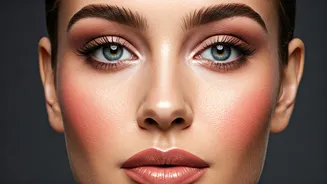
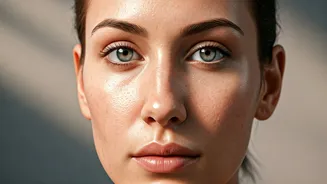
Not long ago, beauty feeds were a sea of sameness. The 'clean girl' aesthetic, with its glossy lips, feathered brows, and flawlessly dewy skin, was the undisputed look of the early 2020s. It promised a kind of effortless perfection, a 'no-makeup makeup'
look that suggested a life as curated and minimal as the neutral-toned wardrobe that went with it. The look was simple on the surface: slick hair, hydrated skin, and just enough product to look naturally blessed. Promoted by influencers and celebrities, it presented beauty as an achievable, calm, and orderly pursuit in a chaotic world. Brands capitalized on the moment, marketing products for that 'your skin but better' finish, turning skincare into the new status symbol.
The Cracks in the Clean Facade
But the illusion of ease soon began to crumble. For many, the 'clean girl' aesthetic started to feel less like an aspiration and more like a restrictive set of rules. Criticism mounted that the trend was exclusionary, primarily celebrating a narrow standard of beauty: young, wealthy, and with naturally perfect skin. The 'effortless' look was, in fact, incredibly high-maintenance, often requiring expensive skincare treatments, high-end products, and the privilege of having clear skin to begin with. Furthermore, many pointed out that key elements—like slicked-back buns and hoop earrings—were staples in Black and Latina communities for decades, only becoming a celebrated 'trend' when adopted by white influencers. The aesthetic that promised minimalism began to feel like a performance of perfection.
A Rebellion in 'Messy' and 'Chaotic' Beauty
Tired of the pressure to be flawless, creators and consumers began to push back. The antidote to the sterile 'clean girl' has arrived in various forms, often described as 'messy,' 'chaotic,' or 'lived-in' beauty. This new wave isn't about being unkempt; it's about intentional imperfection. It embraces smudged eyeliner that suggests a life lived beyond the screen, lipstick that's slightly blurred, and skin that actually shows texture. It’s a move away from hiding flaws and toward expressing a mood. As one makeup artist put it, the new trend is about makeup that feels “alive, where edges and pigments move.”
Expression Over Uniformity
This shift is more than just a new look; it’s a change in philosophy. Where 'clean girl' was about restraint and control, its successors are about freedom, personality, and play. Creators are showcasing unfiltered 'Get Ready With Me' videos, mixing products and breaking old rules to find what works for them. Color is making a triumphant return, with vibrant eyeshadows and bold lips replacing the endless sea of beige. The focus has moved from achieving a uniform ideal to building a character. Makeup is once again a tool for self-expression, a way to signal a mood or a mindset rather than simply looking 'put together.' It’s a rebellion against the idea that one aesthetic could, or should, fit all.
The Future Is Inclusive and Individual
Ultimately, the reinvention of the 'clean girl' aesthetic reflects a broader cultural desire for authenticity and inclusivity. After years of chasing an unattainable and narrow ideal, people are ready to see themselves reflected in beauty culture—acne, pores, and all. Beauty creators are championing this change by celebrating individuality and empowering their followers to embrace their own unique features. The new era of beauty isn't about throwing away your moisturizer and embracing true chaos. Instead, it’s about loosening the grip of perfectionism and remembering that makeup can be a source of joy and creativity. The message is clear: the most compelling look is one that is uniquely, unapologetically your own.