

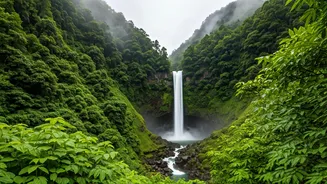


The Monsoon's Grand Arrival
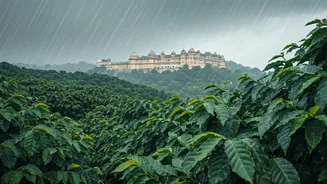
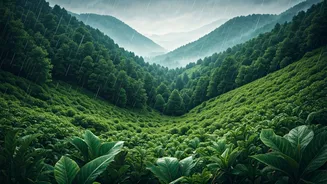
Every year between June and September, the hill station of Lonavala, a short drive from Mumbai and Pune, becomes a different world. The region, part of the vast Deccan Traps formed by volcanic activity millions of years ago, sheds its dry, brown summer
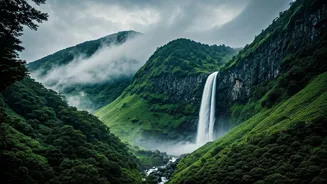
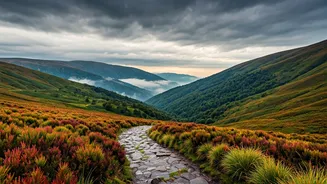
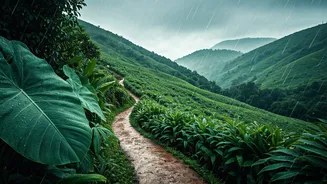
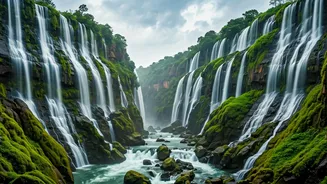
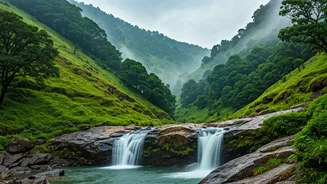
coat for a lush, emerald blanket. [11, 22] This dramatic change is driven by the southwest monsoon, which brings heavy rainfall to the Western Ghats. [14] This rain breathes life into countless streams, turning the basalt rock faces into spectacular, foaming waterfalls that cascade down into the valleys below, creating a sight and sound that draws nature lovers from across the country. [3, 7]
Where to Witness the Spectacle
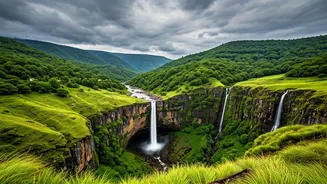
Lonavala is dotted with waterfalls during this season, each offering a unique experience. Kune Falls, a magnificent three-tiered cascade that plunges from a height of 200 metres, is one of Indias highest and a must-see for its sheer scale. [4, 10] Bhushi Dam becomes a lively hub where water overflows onto a series of steps, creating a popular spot for visitors to enjoy the gushing water, though caution is advised. [5, 8] For those seeking a bit of history with their nature, the waterfall near the ancient Bhaje Caves provides a stunning backdrop to the 2,000-year-old rock-cut structures. [4, 21] Other popular spots include Tiger Point, which offers panoramic views of a valley with its own active monsoon waterfall, and the serene Lonavala Lake, which spawns its own seasonal cascade after heavy rains. [5, 4]
Planning Your Monsoon Escape
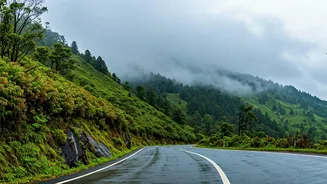
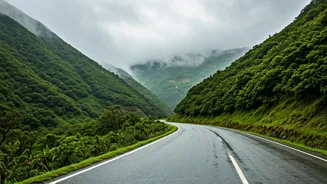
The best time to experience Lonavalas waterfalls is from June to September, with the peak flow typically seen in July and August. [2, 13] Located about 67 km from Pune and 96 km from Mumbai, it is an accessible weekend destination via the Mumbai-Pune Expressway. [14] The drive itself becomes part of the experience, with waterfalls visible along the Khandala Ghat section. [14] While the weather is cool and pleasant, it is also unpredictable. Sudden showers are common, so packing waterproof jackets and appropriate footwear with a strong grip is essential. [3] Given the areas popularity, especially on weekends, expect traffic congestion and crowded spots. Planning a weekday trip can offer a more peaceful experience. [11]
Beyond the Waterfalls
While the waterfalls are the main attraction, the monsoon season enhances all of Lonavalas charms. The misty weather is perfect for trekking to historic forts like Lohagad, Visapur, and Rajmachi, whose trails are flanked by greenery and smaller cascades. [6, 8] Its also a time to indulge in local monsoon treats. Finding a stall selling hot corn on the cob (bhutta) or crispy onion fritters (kanda bhajiyas) with a cup of hot tea is a quintessential part of the Lonavala monsoon experience. [2, 5] For a different kind of thrill, activities like waterfall rappelling are also available for adventure seekers. [2]
A Guide to Staying Safe
The beauty of the monsoon comes with inherent risks. Authorities regularly issue safety advisories, urging tourists to be cautious. [11] The basalt rocks become extremely slippery when wet, and underestimating the force of the water can be dangerous. [3, 16] It is crucial to avoid getting too close to cliff edges for photos and to stay away from the deep, unpredictable pools at the base of waterfalls. [3, 11] Always stick to marked paths and pay attention to local warning signs, as some areas may be closed during exceptionally heavy rainfall. [16] Wearing sturdy, non-slip footwear is one of the most important safety measures you can take. [10] Finally, check the weather forecast before you travel to avoid being caught in severe downpours that could lead to risky conditions. [9]