








The Great Shift Indoors
Not long ago, fitness was synonymous with a gym membership. The whir of treadmills and clank of weights were the soundtracks to a good workout. The global pandemic acted as a powerful catalyst, forcing us to find alternatives within our own four walls.
But what’s kept us there long after lockdowns have lifted? The answer is a powerful combination of convenience, cost-effectiveness, and technology. The freedom to squeeze in a workout between meetings, avoid traffic, and save on hefty membership fees has proven to be a compelling long-term advantage. This isn't just a fleeting trend; it represents a fundamental shift in how we prioritise and access wellness.
Your Digital Personal Trainer
The home workout revolution is powered by technology. Our smartphones and smart TVs have become portals to endless fitness possibilities. On-demand fitness apps like Cult.fit, Fittr, and HealthifyMe, along with global giants like Peloton and Apple Fitness+, offer a staggering variety of classes, from high-intensity interval training (HIIT) and yoga to dance cardio and strength training. These platforms provide access to world-class trainers, structured programmes, and progress tracking, effectively democratising personal training. The rise of fitness influencers on YouTube and Instagram has also provided a wealth of free content, making guided exercise more accessible than ever before. This digital ecosystem has successfully replicated, and in some ways enhanced, the guided experience of a traditional gym class.
The Undeniable Advantages
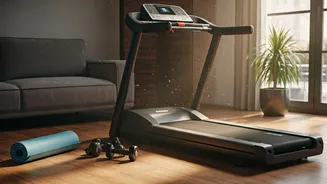
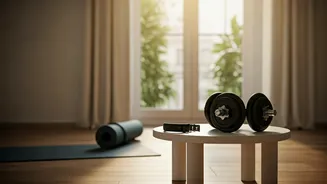
The appeal of working out at home is multi-faceted. First and foremost is the unmatched flexibility. You can exercise at 5 AM or 10 PM, fitting it into your unique schedule without being bound by gym hours. For many, privacy is another significant benefit. The fear of being judged, known as ‘gymtimidation,’ is a real barrier for beginners. At home, you can learn movements and build confidence at your own pace. Over time, the cost savings can be substantial. While there might be an initial investment in equipment like dumbbells, yoga mats, or resistance bands, it often pales in comparison to recurring annual gym fees. This control over environment, schedule, and expenses makes home fitness a highly sustainable option for many.
The Hidden Downsides to Consider
Despite the benefits, the home workout setup isn’t without its challenges. The biggest hurdle for many is motivation. Without the financial commitment of a membership or the social pressure of a group class, it can be easy to let consistency slide. Distractions from family, work, or household chores can easily derail a planned session. Another concern is the lack of professional supervision. Incorrect form can lead to injury, a risk that’s mitigated by having a trainer present to offer real-time corrections. Finally, there's the social element. For many, the gym is a community—a place to connect with like-minded people. The solitary nature of home workouts can leave some feeling isolated, missing the camaraderie and shared energy of a group setting.
Finding Your Perfect Hybrid Balance
So, is the gym dead? Not at all. The true "new normal" isn't a strict choice between home and gym, but the flexibility to choose both. A hybrid model is emerging as the most popular and sustainable approach. This could mean doing yoga and bodyweight exercises at home during the week, and visiting the gym on weekends for heavy lifting and specialised equipment. It could involve following an app for your daily cardio but joining a local studio for a weekly dance class to get that community feel. This blended approach allows you to enjoy the convenience of home workouts while still accessing the community, equipment, and expert guidance a gym provides. It’s about creating a personalised fitness ecosystem that works for your goals, budget, and lifestyle.