



The High Price of Power
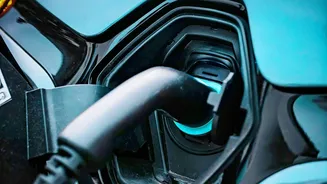
For years, the biggest hurdle for mass adoption of electric vehicles in India has been the price tag. A significant portion of this cost, often between 30% and 40%, is due to the lithium-ion battery pack. These batteries, while effective, rely on materials
like lithium, cobalt, and nickel, which are not only expensive but also have geographically concentrated supply chains, making India dependent on imports. The replacement cost for a typical electric scooter battery can range from ₹25,000 to over ₹80,000, a daunting figure for many potential buyers. This cost bottleneck has kept many electric two-wheelers just out of reach for the average consumer when compared to their petrol-powered counterparts.
Enter the Salt-Based Solution
The game-changer could be sodium-ion battery technology, often referred to as 'salt-based' batteries. At their core, these batteries function similarly to lithium-ion versions, by moving ions between a positive and negative electrode to store and release energy. The key difference is the primary ingredient: sodium. Sodium is a component of common table salt and is about 1,000 times more abundant in the earth's crust than lithium. This incredible abundance is the main driver behind the technology's potential to dramatically lower costs, with some projections suggesting sodium-ion batteries could be 30% to 50% cheaper to produce than lithium-ion ones.
More Than Just a Cost Advantage
The benefits of sodium-ion technology extend beyond the sticker price. These batteries are inherently safer, with a much lower risk of overheating and fire, an issue known as thermal runaway in some lithium-ion chemistries. They can be safely transported and stored at zero charge, simplifying logistics. Furthermore, sodium-ion batteries demonstrate excellent performance in a wide range of temperatures, a crucial advantage for India's diverse climate. They also boast a potentially longer cycle life, meaning they can be charged and discharged more times than many lithium-ion variants before they start to degrade.
A Practical Trade-Off for Urban Mobility
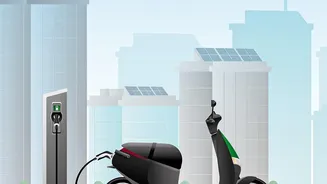
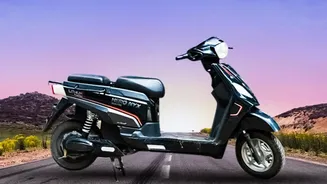
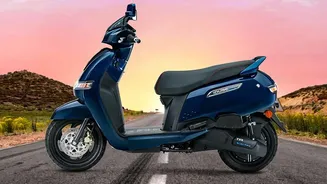
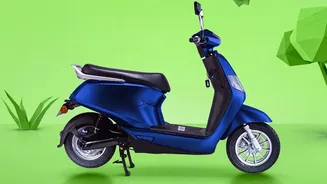
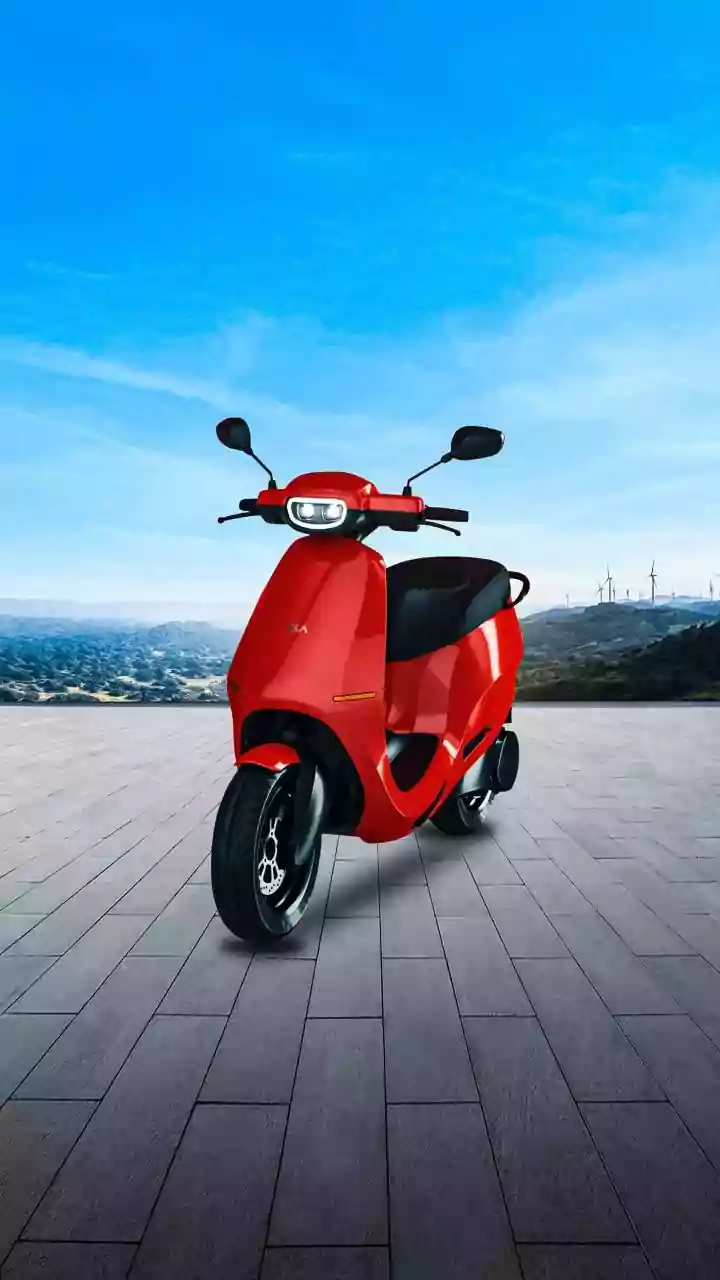
There is, however, a trade-off: energy density. Currently, sodium-ion batteries store less energy per kilogram compared to their lithium-ion counterparts (around 100-160 Wh/kg versus 150-250 Wh/kg). This means that for the same weight, a sodium-ion battery will offer less range. While this might be a significant drawback for a long-range electric car, it's a very practical compromise for an urban electric scooter used for daily commutes. A slightly heavier battery is a small price to pay for a substantial reduction in the overall vehicle cost, making it an ideal solution for affordable, entry-level electric two-wheelers.
The 'Make in India' Push
Several Indian companies are already making significant strides in this space, aligning with the nation's goal of 'Atmanirbhar Bharat' or a self-reliant India. Firms like Reliance Industries, through its acquisition of Faradion, are planning large-scale manufacturing of sodium-ion cells in India. Startups like Indi Energy, a spin-off from IIT Roorkee, are developing innovative approaches, such as creating battery components from agricultural waste. Other companies like GODI, Naxion Energy, and Exide are also actively developing or exploring this technology. This domestic push not only promises to reduce costs but also to secure India's energy future by decreasing reliance on imported battery materials.