






Meet the Urban Heat Island
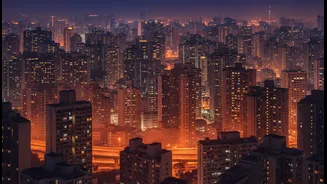
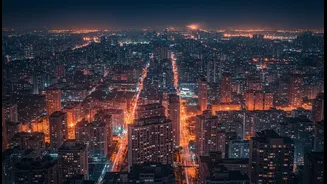
The phenomenon behind this relentless warmth has a name: the Urban Heat Island (UHI) effect. In simple terms, it means our cities are significantly hotter than the surrounding rural areas. This isn't a minor difference; urban centres can be several degrees
warmer than nearby vegetated landscapes. While noticeable during the day, this temperature gap becomes far more pronounced after sunset. As natural environments cool down quickly once the sun disappears, cities hold onto the day's heat, creating a persistent 'island' of warmth that stifles residents through the night.
The Science of a Concrete Sponge
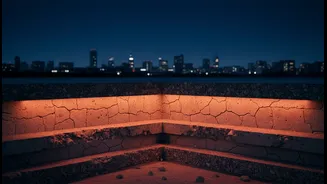
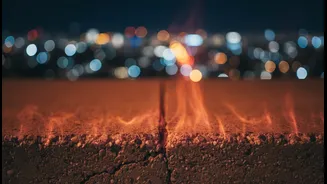
At the heart of this issue are the materials we use to build our modern world: concrete, asphalt, and brick. Think of these materials as giant thermal sponges. They possess a high 'thermal mass,' which is a scientific way of saying they are excellent at absorbing and storing heat. Throughout the day, our roads, pavements, and buildings soak up enormous amounts of solar radiation. Unlike natural surfaces like grass and soil, which use moisture to cool themselves through evaporation, these dense, dry, and often dark-coloured materials just keep absorbing energy. A patch of asphalt can reach temperatures far higher than the air temperature on a hot day.
Why Night Offers No Relief
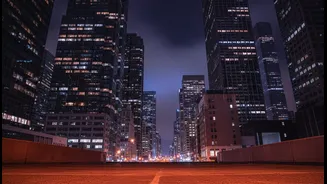
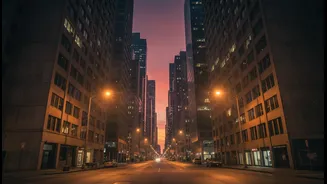
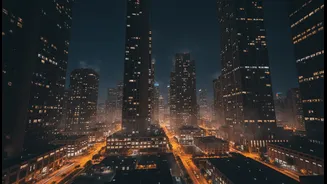
The real problem begins after sunset. While a field or forest quickly releases its heat and cools down, the concrete and asphalt in our cities begin a slow, gradual release of the massive energy they've stored all day. This process, known as thermal radiation, constantly warms the surrounding air. So, even as the night progresses, the city itself is actively working against any natural cooling. The dense arrangement of tall buildings can further trap this radiated heat, preventing it from escaping into the upper atmosphere and blocking cooling breezes. This is why the temperature difference between the city and the countryside is often greatest hours after sunset, sometimes peaking after midnight.
A 24/7 Health Challenge
This sustained nighttime heat is more than just a matter of comfort; it's a significant health risk. Health experts warn that persistently high overnight temperatures are particularly dangerous because they deny the human body the crucial recovery period it needs to cool down from daytime heat stress. Without this cool relief, the risk of heat-related illnesses like heatstroke and dehydration escalates dramatically. A study by IIT Bhubaneswar highlighted this growing crisis in India, finding that nighttime warming across 141 Indian cities was happening at roughly twice the background rate. This lack of nighttime cooling puts immense strain on the cardiovascular system, disrupts sleep, and disproportionately affects the elderly, children, and those in homes without adequate ventilation or cooling.
Designing Cooler Cities for the Future
As urbanisation continues, tackling the urban heat island effect is becoming a critical priority for planners. The solutions, thankfully, are becoming clearer and involve rethinking how we build. Strategies include increasing green spaces by planting more trees and creating parks, which provide shade and evaporative cooling. 'Cool roofs,' which are painted with reflective materials, can bounce sunlight back instead of absorbing it, significantly lowering building temperatures. Other innovations like 'cool pavements' and designing cities to allow for better wind flow are also part of the toolkit. These measures not only reduce temperatures but also lower the immense energy demand from air conditioners, which themselves release waste heat and contribute to the vicious cycle of urban warming.