




What Exactly Is Dietary Fibre?
Before comparing an apple to apple juice, it helps to understand what fibre is. Dietary fibre is a type of carbohydrate that our bodies can't digest. It plays a huge role in our health by keeping our digestive system running smoothly, helping us feel
full, and regulating how our body uses sugar. There are two main types, and most whole fruits contain both. Soluble fibre dissolves in water to form a gel-like substance. This slows down digestion, which helps control blood sugar and can lower cholesterol. Insoluble fibre does not dissolve in water. It adds bulk to stool, helping food pass more quickly through the digestive system and preventing constipation.
The Juicing Process: Where Fibre Gets Lost
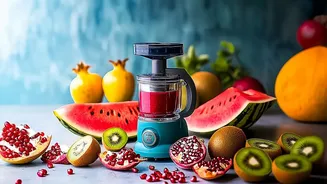
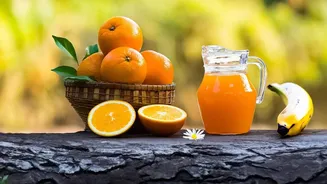
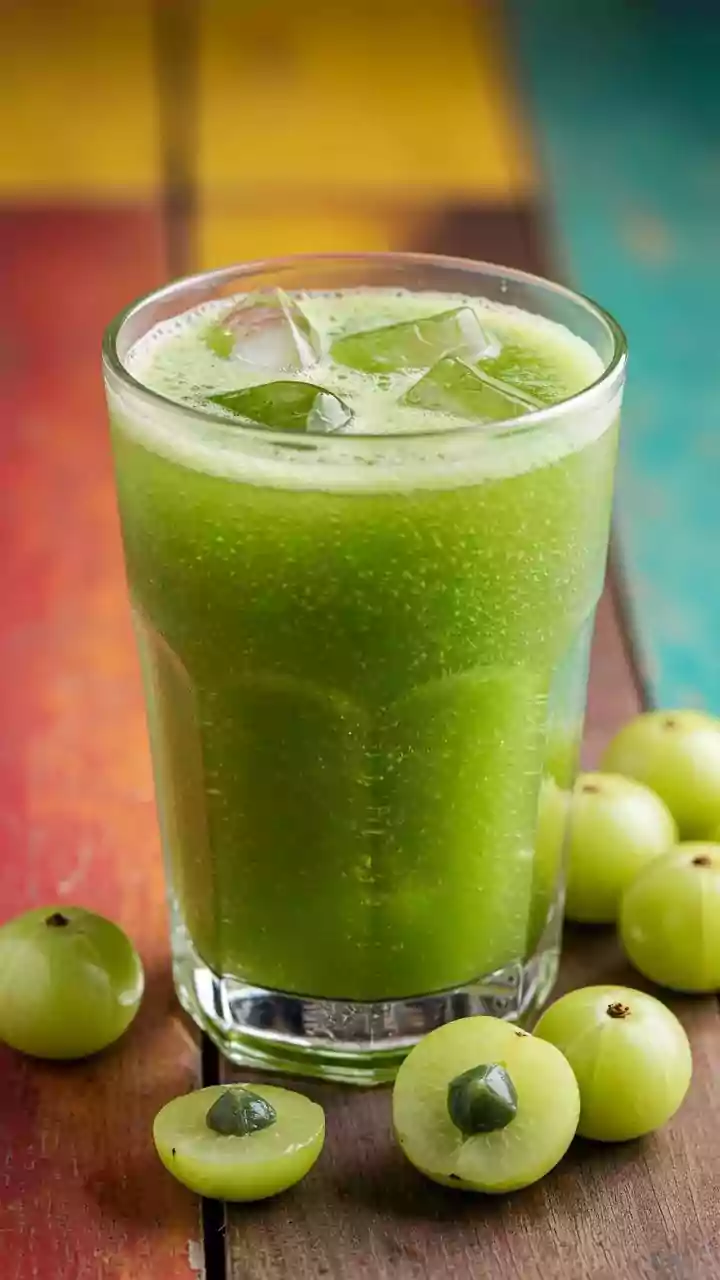
The fundamental difference between eating fruit and drinking juice lies in the process of juicing itself. A juicer works by extracting the liquid from fruits and vegetables while separating out the solid parts, like the skin, seeds, and pulp. This pulp is where the majority of the beneficial insoluble fibre is located. While some soluble fibre remains in the juice because it's mixed with the liquid, the overall fibre content is drastically reduced. For example, a whole orange contains about 3.1 grams of fibre, whereas a cup of orange juice might only have 0.5 grams. Blending fruit into a smoothie, on the other hand, retains most of the fibre because it pulverises the entire fruit rather than separating the pulp.
Whole Fruit: The Complete Nutritional Package
When you eat a whole piece of fruit, you consume its nutrients within what is called the 'food matrix'. This natural structure of cell walls and fibre is perfectly designed to deliver energy efficiently. The fibre binds to the fruit's natural sugars, forcing your body to work harder and longer to break them down and absorb them. This process of chewing and digestion not only promotes feelings of fullness, or satiety, but it also ensures a slow, steady release of sugar into your bloodstream. This prevents the sharp spikes and subsequent crashes in energy that can happen after consuming quickly absorbed sugars.
The Impact on Blood Sugar
The lack of fibre in fruit juice is the primary reason it affects your blood sugar so differently than whole fruit. Without the fibrous pulp to slow things down, the sugars in juice—now considered 'free sugars' by the World Health Organization—are absorbed by your body very rapidly. This can cause a quick spike in blood glucose levels, followed by a rush of insulin to manage it. Over time, this pattern can be problematic. Studies have shown that while higher consumption of whole fruits like apples, grapes, and blueberries is associated with a lower risk of type 2 diabetes, higher fruit juice consumption is linked to an increased risk.
What About Juice With 'Pulp'?
Some commercially available juices are sold 'with pulp', which seems like a healthier option. While having some pulp is certainly better than none, it often represents only a small fraction of the original fibre that was removed during processing. It doesn't fully replicate the complex structure and benefits of eating the whole fruit. The same applies to different juicing methods; while a cold-press or masticating juicer might retain slightly more nutrients and fine pulp than a centrifugal one, it still separates a significant amount of the fibre-rich material from the final drink.