


The Science Behind the Reaction
Aluminium is a reactive metal, and when it comes into contact with acidic or highly salted foods, a chemical process called leaching occurs. This means tiny particles of the metal can break away from the foil and migrate into your food. The reaction is accelerated
by factors like heat and the specific ingredients involved. Foods with a low pH, such as those containing tomatoes, vinegar, or citrus juices, are the primary culprits. They effectively cause the foil to corrode or degrade over time, which can sometimes leave behind small, dark bits of shaved aluminium on your food or create tiny holes in the foil itself.
Is It a Health Concern?
The idea of metal leaching into your food sounds alarming, but it's important to keep the risk in perspective. Aluminium is one of the most abundant metals on earth and is naturally present in water, air, and many foods. Health authorities like the European Food Safety Authority have established a tolerable weekly intake for aluminium, and for most healthy individuals, the amount absorbed from occasional foil use is considered minimal. Our kidneys are efficient at filtering out and excreting small amounts of aluminium. However, for individuals with kidney issues or those who use foil extensively for cooking acidic foods at high temperatures, limiting exposure is a sensible precaution. While the health risk from storing leftovers is low, the main reasons to avoid this practice are related to food quality and taste.
How It Affects Taste and Appearance
The most noticeable consequence of storing acidic food in aluminium foil is the impact on its flavour. The leached aluminium can impart a distinct and unpleasant metallic or bitter taste to your leftovers, which can overpower the food's natural flavours. This is especially true for delicate dishes or those with marinades. In addition to the off-putting taste, the chemical reaction can also alter the food's appearance. It's not uncommon to find discolouration or dark spots on the surface of the food where it was in direct contact with the foil, making the dish visually unappealing.
Foods to Keep Away from Foil
To prevent these issues, it's helpful to know which common leftovers are best stored without direct foil contact. The main categories include: - Acidic Foods: Anything with a base of tomatoes, such as pasta sauces, curries, and chilli. - Citrus: Dishes featuring lemons, limes, oranges, or grapefruit, including marinades and dressings. - Vinegar-Based Items: This includes salad dressings, pickled vegetables, and foods with a prominent vinegar component. - Salty Foods: Heavily salted or cured foods can also accelerate the corrosion of aluminium foil. Essentially, if a dish tastes tangy, sour, or particularly salty, it is best to avoid letting it sit against foil for an extended period.
The Best Alternatives for Storage
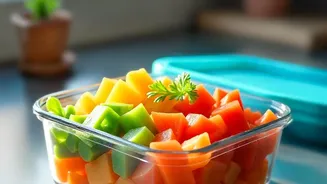
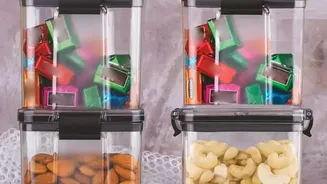
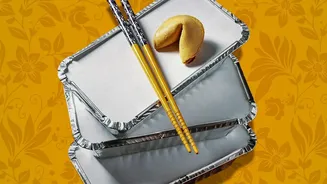
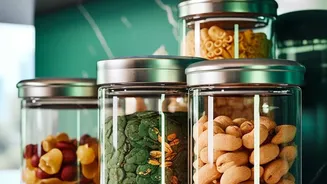
The good news is that there are simple and effective alternatives for storing your acidic leftovers. Glass containers with airtight lids are the ideal choice; glass is non-reactive, so it won't interact with your food or alter its taste. Food-grade plastic containers and ceramic dishes are also excellent options. If you must use foil to cover a dish, you can create a barrier by first placing a layer of parchment paper between the food and the foil. This prevents direct contact and stops the chemical reaction from occurring. These methods not only preserve the flavour and quality of your food but also provide a more secure, airtight seal, which helps keep leftovers fresher for longer.