








The End of the Attraction Checklist
Remember the classic family holiday? A whirlwind tour of a new city, map in hand, rushing from one famous monument to the next. The goal was simple: tick off as many attractions as possible. But a significant shift is underway. Today’s travellers are
increasingly rejecting this frantic pace in favour of what is known as 'slow' or 'experiential' travel. Instead of a jam-packed itinerary, the focus is on immersing oneself in a single place. It’s the difference between snapping a photo of a bustling market and spending an afternoon learning to cook a local dish with ingredients you bought there. This approach prioritises creating a single, lasting memory over collecting a dozen fleeting glimpses. The idea isn't to see more, but to experience more deeply.
Why Less Has Become More
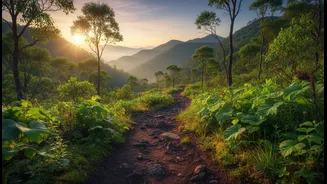
Several factors are driving this change. The post-pandemic world has left many with a desire for more meaningful connection and a new appreciation for health and safety. This has fueled interest in outdoor activities and less crowded, open spaces. Furthermore, digital burnout is a real phenomenon. After spending so much time online, people are seeking trips that help them disconnect from technology and reconnect with themselves and their surroundings. The search for authenticity is also a major driver. Travellers are tired of superficial tourist traps and are instead looking for genuine cultural engagement. A 2026 report on US travellers even noted that for younger generations, the experience itself is often more important than the destination. It’s no longer about where you go, but why you go.
What Does 'Participation' Look Like?
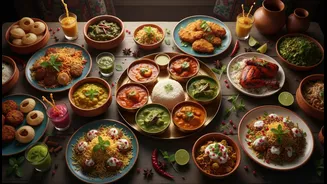
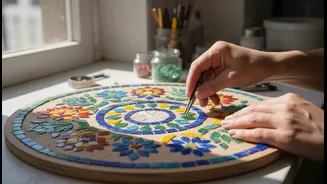
Participatory travel can take countless forms, tailored to individual interests. It’s about being an active participant rather than a passive observer. Think of renting a homestay in Coorg to learn about life on a coffee plantation, or joining a multi-day craft workshop with artisans in Jaipur. You could take a cooking class in a Tuscan kitchen, learn traditional dance in Spain, or simply spend an extended period in one village, getting to know its rhythms and its people. It also includes activities that focus on wellness and personal growth, like attending a yoga retreat in the Himalayas or volunteering for a local conservation project. The key is that these activities foster a genuine connection and create vivid, lasting memories through active engagement.
The Joy of Missing Out
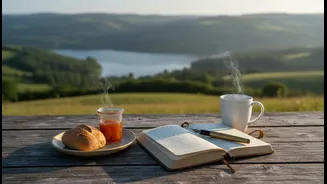
For decades, travel was dominated by FOMO — the 'Fear Of Missing Out'. This anxiety drove the need to see every monument and visit every viewpoint. The new mindset embraces JOMO — the 'Joy Of Missing Out'. It’s the understanding that by trying to do everything, you often experience nothing at all. Slowing down allows for spontaneity and serendipity — the unexpected conversation with a shopkeeper, the unplanned detour down a charming alley, or the simple pleasure of watching the world go by from a local cafe. This approach doesn't just reduce stress; it fosters a deeper sense of connection and personal growth. It transforms travel from a frantic race into a restorative journey. Travellers return home not with just a camera roll of photos, but with new skills, richer perspectives, and stories to tell.