


The Predictable Festive Surge
Every year, festivals like Raksha Bandhan trigger a massive, simultaneous movement of people across India. In 2026, Rakhi falls on Friday, August 28, creating a long weekend that guarantees a travel spike. Data from previous years shows a sharp increase
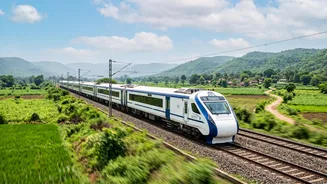
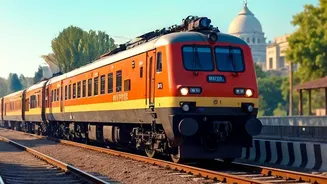
in bookings for flights, trains, and buses to Tier-2 cities like Lucknow, Bhopal, and Patna, as people head home to celebrate. This isn't a surprise; it's a predictable pattern. Transport authorities often schedule additional services, like extra Namo Bharat train trips on the Delhi-Meerut corridor, to cope with the demand, but even these can be overwhelmed. Believing you can easily find a last-minute option ignores the sheer volume of people travelling with the exact same idea.
Route Planning Is More Than a Ticket
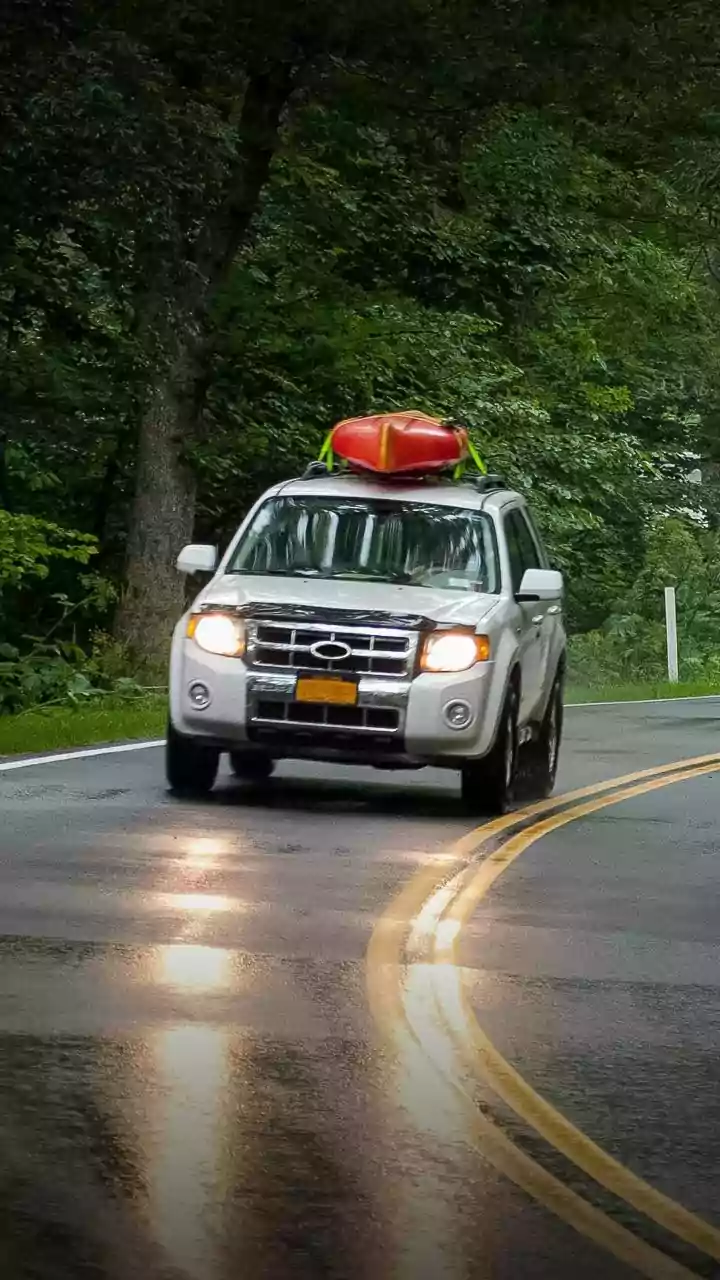
True route planning goes beyond just booking a flight or train. It involves thinking about the entire journey, from your doorstep to your final destination. How will you get to the airport or railway station during peak festive traffic? What about last-mile connectivity when you arrive? Major arterial roads in cities like Delhi and Mumbai often become gridlocked for hours during festival weekends. A breakdown or minor accident can cause a cascading effect, turning a 30-minute drive into a three-hour ordeal. Early planning means considering these connections, booking a cab in advance, or identifying a metro route to bypass the most congested areas entirely.
The Limits of Real-Time Technology
While navigation apps are excellent tools, they have limitations during mass travel events. When everyone is using the same app, they are often directed to the same "faster" alternative routes, quickly causing congestion there as well. Furthermore, ride-hailing apps operate on dynamic pricing, which can become 'exploitative' during periods of high demand. A fare that is normally affordable can multiply several times over, turning a convenient option into a costly trap. Relying solely on technology without a pre-planned strategy is a gamble. Having a primary and backup plan gives you control when real-time options become unreliable or prohibitively expensive.
The Smart Strategy: Off-Peak Travel
One of the most effective parts of route planning is deciding when to travel. The instinct is to leave after work on the day before the holiday, but this is precisely when millions of others are doing the same. Historical traffic data shows that congestion on major highways peaks between 4 PM and 7 PM on the days leading up to a festival. A smarter plan involves starting your journey at unconventional times. Leaving very early in the morning (before 7 AM) or late at night can help you avoid the worst of the traffic. For the 2026 Rakhi weekend, a mid-morning departure on Friday, after the shubh muhurat, could be a strategic window to miss both the morning commute and the evening rush.
Accounting for Unpredictable Factors
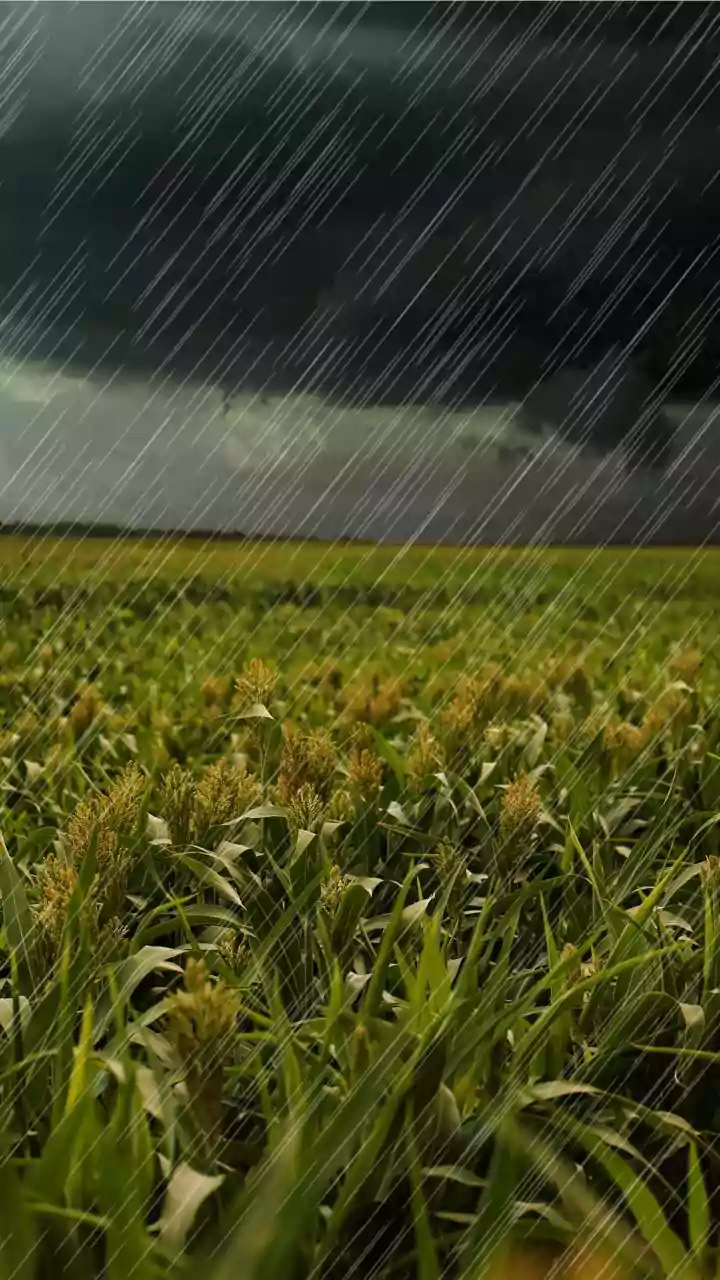
Raksha Bandhan falls in August, during India's monsoon season. This adds another layer of unpredictability. Heavy rains can cause waterlogging, landslides in hilly areas, and disruptions to both road and rail networks. Planning early provides a crucial buffer to handle such surprises. If your primary route is affected, you have time to switch to an alternative without the panic of a last-minute scramble. It also means building extra time into your itinerary. Instead of a tight schedule, assume there will be delays and plan accordingly. This foresight transforms a potential travel disaster into a manageable inconvenience.