






The Twin Pillars of Indian Market Success
Entering the Indian market is often seen as a gateway to immense growth. With a burgeoning middle class, increasing disposable income, and widespread digital adoption, the opportunity is undeniable. However, the path to success is littered with obstacles
that have tripped up even the biggest global brands. The core challenge lies in India's immense diversity. A strategy that works in Mumbai may fail in Madurai. Tastes, price sensitivities, and infrastructure vary dramatically from state to state and even from city to village. Simply transplanting a successful international model without significant adaptation is a common mistake. True success requires a two-pronged approach. The first is creating a product that feels local and necessary. The second is building a reliable system to deliver that product to the customer's doorstep, wherever that may be. Neglecting either one of these pillars often leads to a disconnect where a great product is inaccessible, or a great delivery network has nothing compelling to offer.
Beyond Translation: The Art of Product Localisation
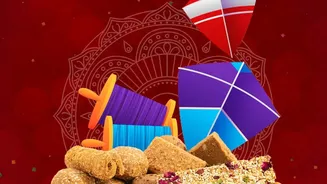
Product localisation is far more than just translating labels into regional languages. It is the deep adaptation of a product or service to meet the specific cultural, functional, and financial needs of Indian consumers. McDonald's understood this early on when it swapped out beef for options like the McAloo Tikki burger, creating a product that resonated with local palates and cultural norms. Similarly, streaming platforms have invested heavily in regional content, realising that a library of international shows is not enough to capture a diverse viewership. In the tech world, smartphone makers succeeded by launching devices with features like dual-SIM capacity and robust batteries at aggressive price points, tailored for the Indian user. Localisation builds a crucial bridge of trust and relevance. It shows consumers that a brand understands their world, their needs, and their budget. This strategy transforms a foreign product into a familiar solution, dramatically increasing its appeal.
The Last Mile: Cracking a Wider Delivery Network
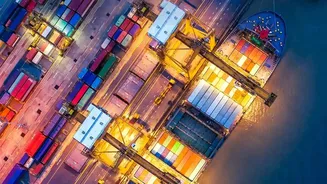
A perfectly localised product is of little use if it cannot reach the intended customer. This is where a wider delivery network becomes critical. India's geography is vast and its logistics can be complex, especially outside the major metropolitan areas. The final step of getting a product from a distribution centre to a customer’s home—known as last-mile delivery—is often the most expensive and challenging part of the entire supply chain. E-commerce giants like Amazon and Flipkart have invested billions in building out their infrastructure, using a network of large warehouses and smaller delivery hubs to ensure timely service across thousands of pin codes. They have also adapted their models to Indian realities by offering cash-on-delivery to address low credit card penetration and partnering with local 'kirana' stores to serve as pickup points. For any company expanding today, reaching the massive and growing consumer base in Tier-2 and Tier-3 cities is non-negotiable, and that is fundamentally a logistics challenge.
A Symbiotic Strategy for Sustainable Growth
When product localisation and wide delivery work in tandem, the results can be transformative. Consider the FMCG sector. A company might develop a new snack flavour based on regional spices (localisation) and then leverage a multi-layered distribution network of wholesalers and local retailers to ensure it is available in even the smallest towns (delivery). One without the other would be ineffective. A snack no one can buy is a missed opportunity; a delivery truck carrying a product no one wants is a wasted expense. This symbiotic relationship creates a virtuous cycle: a desirable product drives demand, and a reliable delivery network fulfills that demand, which in turn builds brand loyalty and generates valuable sales data. This data can then be used to further refine product offerings and optimise the supply chain, creating a durable competitive advantage. Companies that master this dual approach are not just selling a product; they are embedding themselves into the fabric of the market.