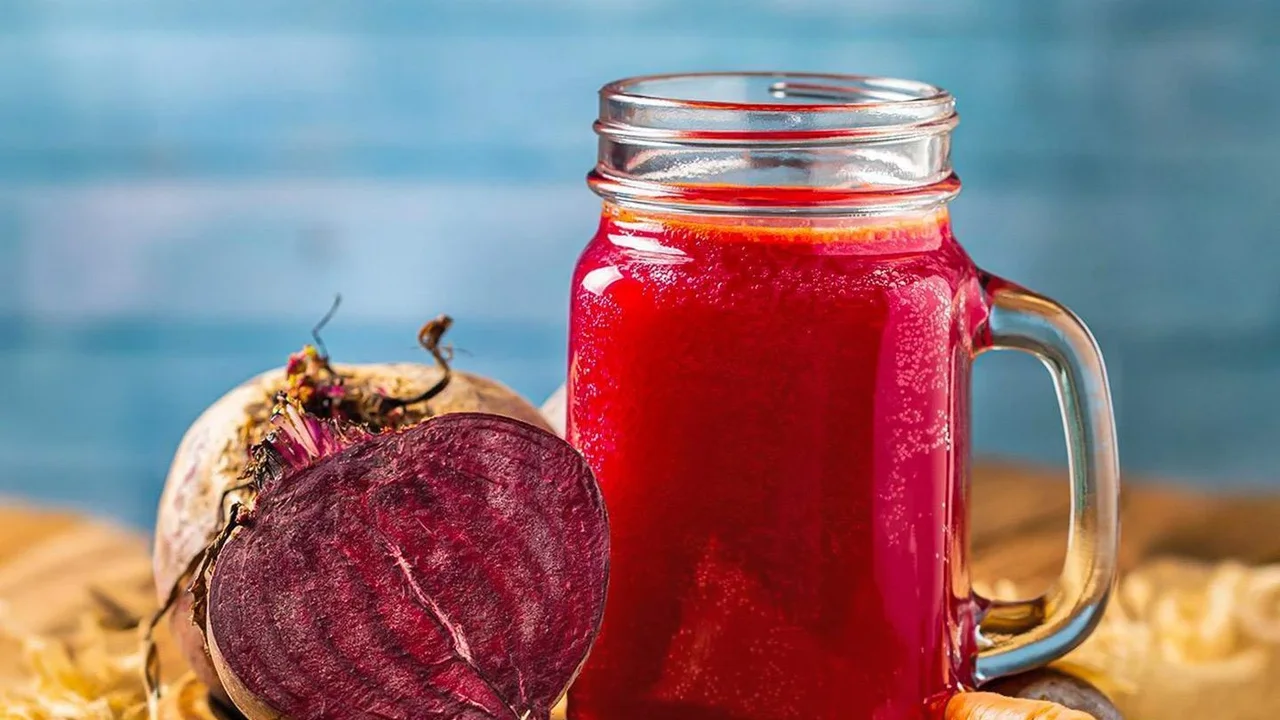








The Power of a Purple Root
For years, endurance athletes have been drinking beetroot juice, and for good reason. Studies have consistently shown its ability to boost stamina and reduce the oxygen cost of exercise, making efforts feel easier and last longer. But the focus is now
shifting to its benefits for short, powerful bursts of activity like sprinting. The secret isn't the vegetable itself, but a compound within it called dietary nitrate. This naturally occurring molecule is also found in leafy green vegetables like spinach and rocket, but beetroot is a particularly rich and bioavailable source that the sports science community has studied extensively.
The Nitrate-to-Nitric Oxide Pathway
So, how does it work? When you consume dietary nitrate from beetroot, a fascinating biological process begins. Bacteria in your mouth convert the nitrate (NO3-) into nitrite (NO2-). This is why using antibacterial mouthwash can actually hinder the process. This nitrite then circulates in your blood and, in areas of low oxygen—like your muscles during a hard sprint—it gets converted into nitric oxide (NO). Nitric oxide is a potent vasodilator, meaning it relaxes and widens your blood vessels. This widening allows for increased blood flow, which means more oxygen and nutrients can be delivered to your working muscles precisely when they need it most.
Optimising Oxygen for Power
Sprinting is an all-out effort that rapidly depletes energy and oxygen in the muscles. The magic of nitric oxide is that it makes your body more efficient. It reduces the amount of oxygen your muscles need to produce energy, a concept known as reducing the 'oxygen cost' of exercise. By improving the efficiency of your mitochondria (the powerhouses of your cells) and enhancing muscle contraction, your body can do more work with less oxygen. This improved efficiency can lead to greater power output, better resistance to fatigue during repeated sprints, and potentially faster recovery between efforts.
What 'Micro-Dosing' Means Here
The term 'micro-dosing' in this context refers to a strategy of chronic, consistent supplementation rather than one large, single dose. While a single dose of beetroot juice taken 2-3 hours before a race can be effective, some research suggests that a loading phase can be even more beneficial. This involves taking a smaller, measured dose of nitrate—around 350-500mg, which can be found in concentrated beetroot shots—daily for several days leading up to a competition. This strategy aims to build up the body's reserves of nitrite, creating a larger pool that can be converted to nitric oxide during exercise. This ensures that nitrate levels are consistently elevated, providing a more reliable performance boost for high-intensity, intermittent sports.
Practical Takeaways for Sprinters
For athletes looking to incorporate this into their routine, consistency is key. A typical protocol involves supplementing with 350-500mg of nitrate daily for 3-7 days before a key event, with a final dose 2-3 hours before the start. It's crucial to use products with a guaranteed nitrate content, as this can vary widely. While benefits have been shown across many studies, some research notes that highly-trained elite athletes might see less of an effect, possibly because their bodies are already highly efficient at producing nitric oxide. However, for most recreational and well-trained athletes, it represents a legal and natural way to gain a small but potentially significant edge.