





The Enduring Spirit of 'Adda'
For generations, cafés in Kolkata have been more than just places to grab a beverage; they are the spiritual homes of 'adda'—a uniquely Bengali tradition of long, freewheeling conversations. Institutions like the Indian Coffee House on College Street
became legendary as spaces where students, intellectuals, artists, and revolutionaries could spend hours over a single cup, shaping the city's cultural and political movements. These were not commercial establishments in the modern sense, but public spheres where time moved differently, and dialogue was the main item on the menu. The worn walls and cavernous halls of these cafés stood as a testament to a glorious past, a place where ideas, not deadlines, were the currency.
A New Generation Logs In
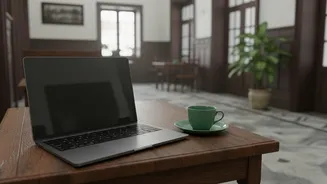
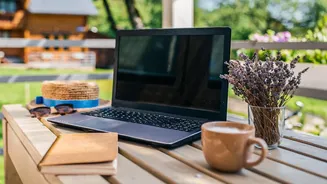
The post-pandemic shift to remote work has introduced a new character into this long-running play: the young professional with a laptop. Drawn by the colonial-era architecture, high ceilings, and an ambience steeped in history, a new crowd is swapping sterile co-working spaces for the soulful charm of heritage buildings. Cafés in century-old residential homes in areas like Bhowanipore and Southern Avenue are now buzzing with the quiet intensity of focused work. This new clientele, armed with Wi-Fi and a desire for an aesthetic workspace, includes freelancers, startup employees, and digital nomads who find inspiration in the same halls that once echoed with poetic recitations. Several cafés now actively cater to remote workers, offering relaxed seating and a culture that encourages lingering over laptops.
A Fusion of Cultures
The arrival of the laptop brigade could have spelled a culture clash. Instead, what's emerging is a gentle, if sometimes awkward, fusion. The silent tapping of keyboards now provides a rhythmic backdrop to the lively chatter of adda. While some old-timers may lament that the endless, single-cup adda sessions are on the decline, the influx is also bringing new energy and revenue into these establishments. Many of the newer, heritage-themed cafés like The Bhawanipur House and The Red Bari are consciously designed to be a crossroads between past and present, hosting cultural events, poetry readings, and design fairs alongside their regular service. They aim to revive the spirit of adda for a new generation, creating spaces where both work and leisurely conversation can coexist.
The View From Behind the Counter
For café owners, this trend is a double-edged sword. The steady stream of remote workers guarantees weekday traffic and sustained business, a welcome change from relying solely on evening and weekend crowds. However, it also presents a challenge. The classic Indian Coffee House, for instance, has had to subtly shift its policy, no longer encouraging patrons to occupy a table for hours with just one cheap cup of coffee. Staff now gently prompt lingering customers to place more orders. Newer cafés are built for this hybrid model from the ground up, with plentiful power outlets, reliable Wi-Fi, and menus featuring everything from speciality coffees to filling brunch options, ensuring that patrons who stay for hours are also spending. This commercial reality is helping to preserve these historic buildings, turning adaptive reuse into a viable conservation model.
The Future of Kolkata's Social Fabric
The transformation of Kolkata’s cafés is more than just a business trend; it’s a reflection of the city's evolving identity. Kolkata is finding a way to weave the demands of the global digital economy into its cherished local traditions. The city's youth are not just seeking aesthetically pleasing backdrops for their work; they are also engaging with their heritage in an intimate, daily way. By choosing to work from a 100-year-old building, they are keeping its story alive. While the purist might argue that the deep, argumentative spirit of old-school adda can't survive in a world of deadlines and Zoom calls, others see it as a sign of resilience. The café culture is not being replaced, but rather rewritten, one laptop and one espresso at a time.