


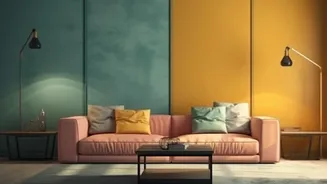
Goodbye to the 'Guest-Only' Drawing Room
For decades, the Indian living room often served as a showroom—a formal, pristine space reserved for guests, complete with imposing sofas and delicate decor that were more to be admired than used. This 'Atithi Devo Bhava' (Guest is God) approach created
a room that was often the largest in the house but the least utilised by its own family. That is now changing. Today, a significant cultural shift is underway, driven by smaller urban homes, nuclear families, and a new desire for comfort and practicality. Homeowners are moving away from spaces designed for display and towards environments built for experience and everyday living. The living room is becoming a personal, adaptable, and more human space.
The New Mantra: Functionality, Flexibility, and Durability
As living rooms become the epicenter of daily activity—serving as a home office, a movie theatre, a study corner, and a family gathering spot—the demands on furniture have intensified. The new focus is on pieces that are not just beautiful but also hardworking. Multi-functional furniture is no longer a niche choice for compact apartments but a mainstream necessity. Homeowners are looking for modular sofas, lightweight chairs, and adaptable tables that allow them to reconfigure the space as needed. Durability is also paramount. With daily use comes wear and tear, so materials like solid woods (teak, sheesham), easy-to-clean fabrics, and sturdy frames are in high demand to withstand the rigours of family life.
The Sofa-Cum-Bed: The Ultimate Multi-Tasker
Perhaps no piece of furniture exemplifies this shift better than the sofa-cum-bed. Once considered a compromise, it is now one of the most sought-after items for the modern Indian home. With shrinking apartment sizes and the need to accommodate visiting family and friends, its dual-purpose nature is invaluable. It saves space, is cost-effective, and eliminates the need for a separate, often unused guest room. Modern designs have also evolved significantly; today's sofa beds are stylish, comfortable enough for daily use, and come with easy-to-operate mechanisms and even built-in storage, making them a practical and sophisticated choice.
Adaptable Surfaces: Nesting Tables and Lift-Top Coffee Tables
The single, heavy centre table is making way for more flexible solutions. Nesting tables are seeing a surge in popularity for their versatility. They can be clustered together as a coffee table, separated for use as individual side tables during gatherings, or tucked away to create floor space. Another smart innovation is the lift-top coffee table. These pieces can be raised to serve as a dining surface for a casual meal or a comfortable work desk, adding another layer of functionality to the living room. Many of these tables also come with hidden storage compartments, helping keep the lived-in space tidy and clutter-free.
Seating for Life: Modular Sofas and Accent Chairs
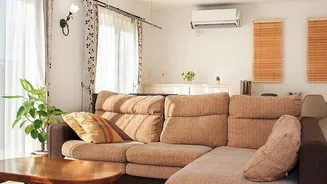
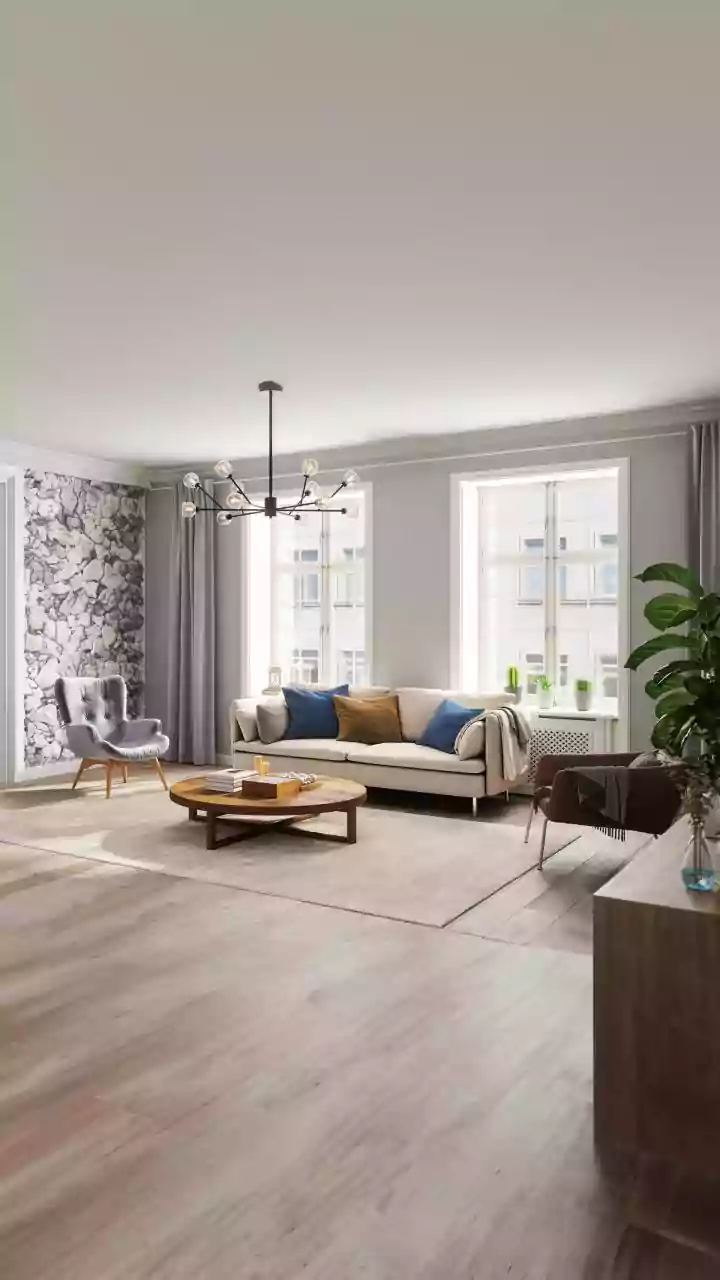
The traditional 3-1-1 sofa set is being replaced by more dynamic seating arrangements. Sectional or L-shaped sofas are ideal for maximising seating in both small and large rooms, perfect for family movie nights. Their modular nature means they can often be rearranged to fit different spaces or needs. This is often complemented by lightweight, movable accent chairs and ottomans. These pieces can be easily repositioned to facilitate conversation, create a quiet reading nook, or simply provide extra seating when guests arrive, making the living room truly adaptable to the flow of daily life.