





Understanding the Passenger Charter
Every person flying on a scheduled flight within, to, or from India is protected by a set of rules laid out by the Directorate General of Civil Aviation (DGCA). These rules, found in the official Passenger Charter, are not just suggestions; they are binding
obligations on all airlines, domestic and international. They cover the three most common travel headaches: flight cancellations, long delays, and being denied boarding due to overbooking. While compensation amounts are capped, these rights ensure that passengers receive care, alternative travel options, or their money back, shifting the power balance from the airline back to the consumer. Recent government initiatives, including an AI-powered upgrade to the AirSewa grievance portal, aim to make enforcing these rights even faster.
When Your Flight Is Cancelled
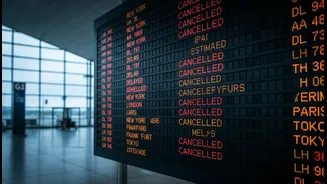
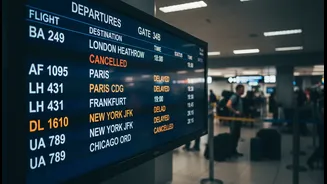
An airline cannot simply cancel your flight without consequence. Your rights depend on when you are notified. If the airline informs you of the cancellation less than two weeks before departure and fails to arrange an alternate flight, you are entitled to a full refund. The rules get stricter closer to the travel date. If the cancellation is announced with less than 24 hours' notice, you are entitled to not only a refund or an alternate flight but also financial compensation. This compensation can be up to ₹10,000, depending on the block time of the original flight. Remember to always provide your contact information during booking so the airline can reach you.
Tackling Frustrating Delays
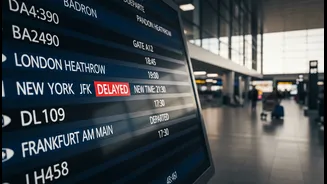
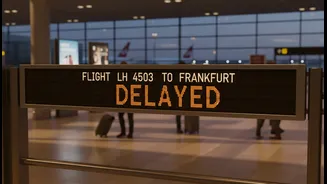
While short delays are a common nuisance, the DGCA mandates specific support for longer waits. For domestic flights, if a delay stretches beyond two hours, the airline is obligated to provide you with free meals and refreshments at the airport. If the delay becomes significant—generally meaning six hours or more—your options expand. At this point, the airline must offer you the choice of an alternate flight or a full refund of your ticket. For travellers stranded by overnight delays (specifically, a delay of over six hours for flights scheduled between 8 p.m. and 3 a.m.), the airline must also provide free hotel accommodation and transport.
Denied Boarding: Your Rights When Overbooked
Airlines sometimes sell more tickets than available seats, a practice known as overbooking. If you have a confirmed ticket and are on time but are involuntarily denied boarding, you are strongly protected. The airline must first ask for volunteers willing to take a later flight, usually in exchange for benefits. If you are bumped off the flight against your will, you are entitled to significant compensation. This can be up to 400% of your one-way base fare plus fuel surcharge, with a maximum cap of ₹20,000. Furthermore, if you decide not to take the alternate flight offered by the airline, you are still entitled to this compensation in addition to a full refund of your original ticket.
The 'Force Majeure' Exception
It's important to know that these compensation rules generally do not apply in cases of 'force majeure', or extraordinary circumstances beyond the airline's control. This includes events like extreme weather, political instability, security threats, or widespread air traffic control failures. Recent flight disruptions caused by heavy monsoon rains, for example, would likely fall under this category. However, even in such situations, airlines are still expected to provide care and assistance, such as information, meals, and accommodation where necessary, though the cash compensation component may be waived.
How to Claim What You Are Owed
Being informed is the first step; acting on your rights is the next. If you face a disruption, your first point of contact should be the airline's staff at the airport or their customer service channels. If the airline does not provide the mandated compensation or assistance, you should escalate the issue. The government's AirSewa portal (airsewa.gov.in) and mobile app are the official platforms for lodging grievances. You can file a complaint detailing your experience, and the platform will route it to the concerned airline for resolution. If you remain unsatisfied with the outcome from both the airline and AirSewa, you have the right to take your case to a consumer court.