






The Problem with 'Pan-Indian'
The term 'Indian food' is a bit of a myth. What often passes for it in restaurants is a homogenized greatest-hits collection, primarily drawn from North Indian and Mughlai traditions. Think butter chicken, palak paneer, and naan—delicious, but representing
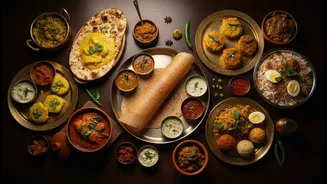
only a fraction of what the subcontinent has to offer. This 'pan-Indian' menu creates a kind of culinary fog, where dishes from vastly different cultures are presented without context. A menu that attempts to represent all of India often ends up representing none with any real depth. Diners are left with the impression that Indian cuisine is a monolith of creamy, tomato-based gravies, when in reality, the food of Kerala is as different from Punjab as Italian is from French. This leads to confusion and a missed opportunity for true discovery.
Losing Heritage, One Generic Curry at a Time
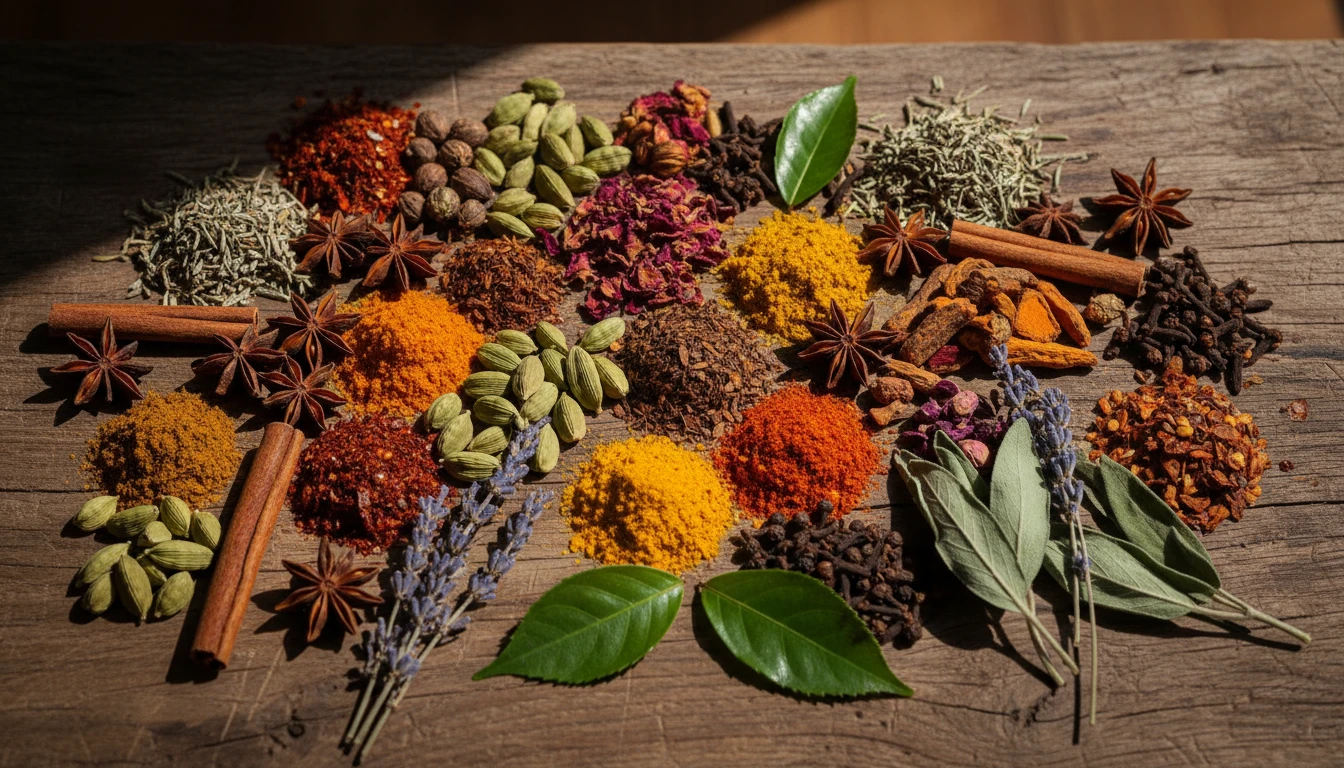
When a menu lists ten different chicken dishes without mentioning their origin, it's not just confusing; it's a form of cultural flattening. Each region in India has a unique culinary fingerprint, shaped by its climate, history, and local ingredients. Bengali cuisine celebrates mustard oil and freshwater fish, while coastal Goan food sings with coconut and Portuguese influence. The food of Rajasthan is adapted to its arid climate, while the North-East offers unique flavours from fermentation and smoking techniques. By lumping everything together, restaurants erase these rich stories and traditions. This homogenization means that lesser-known, but equally spectacular, dishes are often overlooked, and diners are deprived of experiencing the true breadth of India's culinary heritage.
The Power of a Place Name
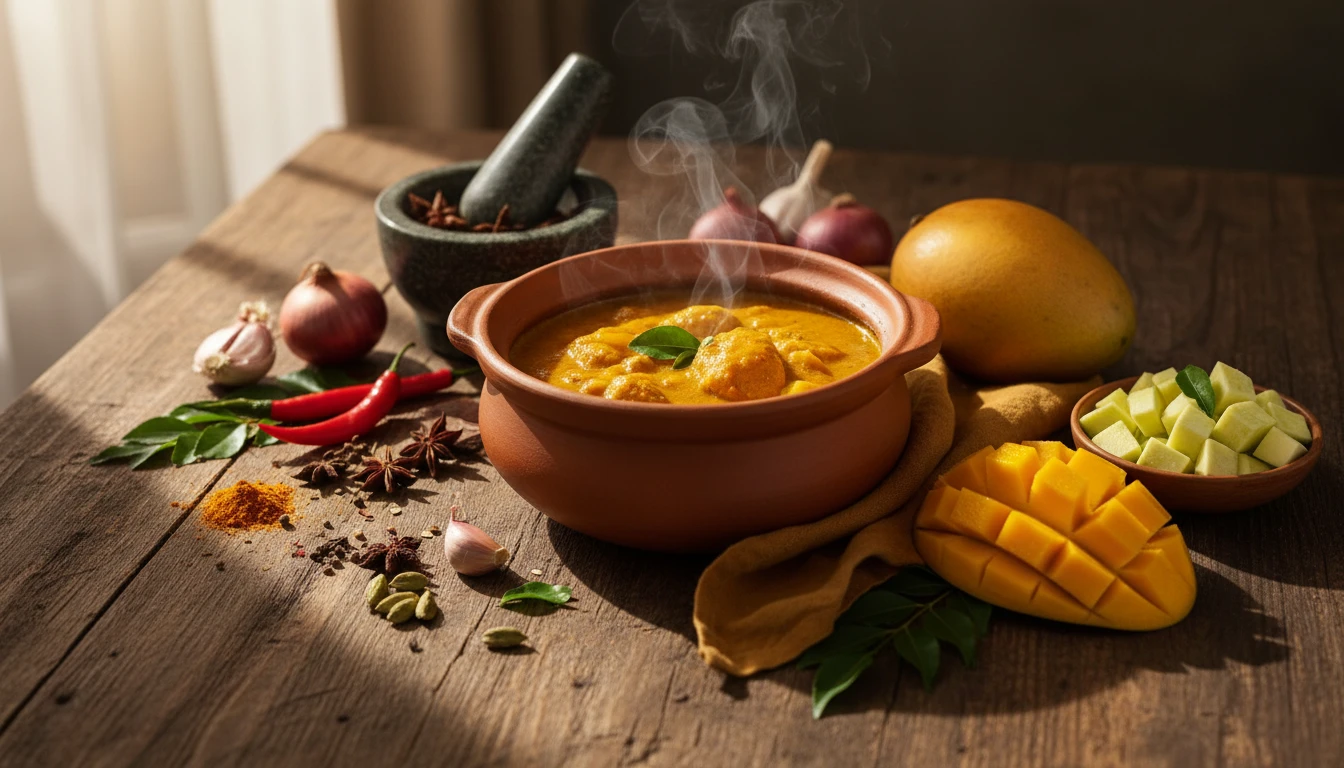
Clear regional signposting is the solution. It's a simple act of adding a place name—'Malabar Fish Curry' instead of 'Fish Curry', or 'Hyderabadi Biryani' versus just 'Biryani'. This small change does wonders. For diners, it provides context and turns ordering a meal into an act of exploration. It allows them to understand that the fiery spices of an Andhra dish are intentional, not a mistake. For chefs and restaurants, it’s a way to showcase authenticity, educate customers, and build a loyal following among those seeking genuine flavours. It’s a move away from competing on price and toward competing on the unique value of a culinary story well told. Staff, when trained on these regional origins, can better guide customers, enhancing the entire dining experience.
Pioneers of Regional Pride
Thankfully, a shift is already underway. A new wave of chefs and restaurateurs across India and the globe are proudly championing specific regional cuisines. Restaurants are finding success by diving deep into the food of a single area, be it Goa, Kerala, or Bengal. Chefs like Manish Mehrotra have elevated regional dishes with a contemporary twist, while others like Niyati Rao take diners on a journey through India's diverse flavours. These culinary leaders understand that authenticity is a powerful draw. They are proving that diners are more curious and adventurous than ever, eager to know the story behind their food. This movement shows that specificity is not limiting; it's liberating, allowing for deeper storytelling and a more profound connection to the food.