





Putting the Emissions into Perspective
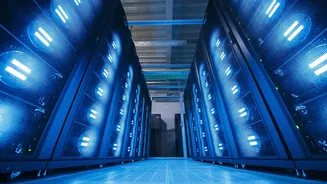
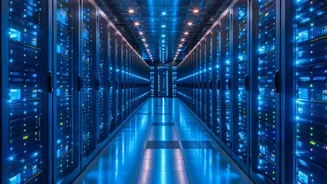
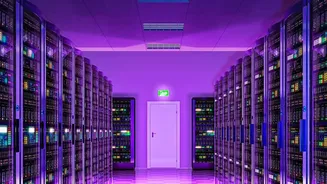
A groundbreaking study published in November 2026 by Harvard University researchers quantified the environmental impact of America's largest, or 'hyperscale', data centers. The findings are staggering. Between May 2024 and April 2025, just 403 of these
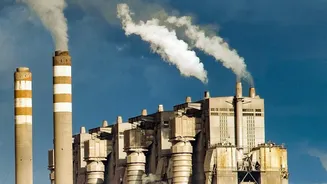
facilities produced an estimated 25.7 million metric tons of carbon dioxide. To put that figure in context, it's roughly equivalent to the total annual emissions of the entire nation of Denmark. These centers consumed nearly 2% of all electricity in the United States, an amount comparable to the annual usage of states like Michigan or Tennessee. More than half of this immense power, about 54%, was generated from fossil fuels, primarily natural gas and coal, directly linking our digital activity to planet-warming emissions.
The Insatiable Appetite of Artificial Intelligence
What is driving this explosive growth? In a word: data. Everything from streaming movies and cloud storage to the endless scroll on social media relies on these power-hungry facilities. However, the single biggest accelerator is the recent boom in artificial intelligence. Training and running advanced AI models requires computational power orders of magnitude greater than conventional computing tasks. According to the International Energy Agency (IEA), global data center electricity consumption is projected to double by 2030, with AI accounting for a staggering three-quarters of that growth. This has led to an AI 'arms race', with tech giants building ever-larger 'AI factories' that place unprecedented strain on energy grids.
A Growing Strain on the Power Grid
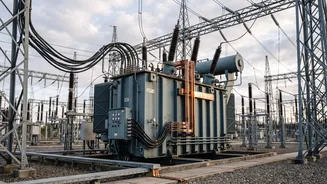
This surging demand is no longer a distant problem; it's creating real-world bottlenecks. Utility providers in key data center hubs, like Northern Virginia and Texas, are struggling to keep up. The IEA has warned that the rapid expansion of data centers is pushing electricity systems to their limits, with planned capacity in some regions already exceeding what the local grid can support. This 'time-to-power gap'—the mismatch between how quickly data centers can be built and how long it takes to bring new power generation online—is becoming a critical risk. The result could be a greater reliance on fossil fuels like natural gas to meet the immediate demand, potentially wiping out years of progress in reducing power-sector emissions. Projections show that by 2030, natural gas could supply about 60% of the electricity for U.S. data centers.
The Search for a Greener Cloud
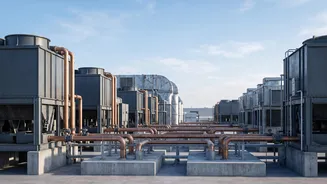
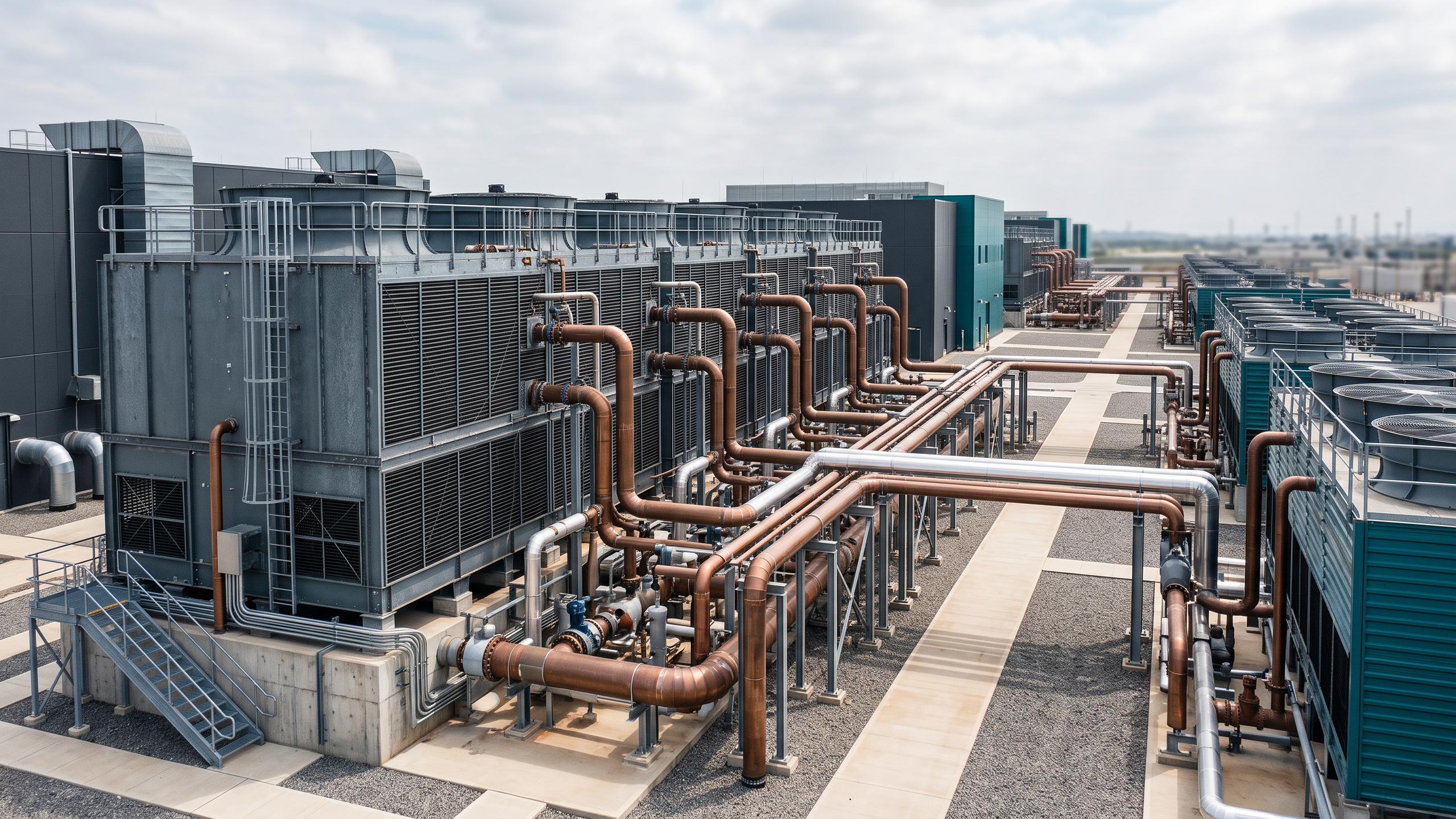
The technology industry is not blind to the problem. In fact, many major companies have set ambitious climate goals and are investing heavily in solutions. The push for efficiency is paramount. Innovations in cooling, such as using seawater or capturing and reusing waste heat for nearby homes, are being explored. Companies are also making massive investments in renewable energy, often signing large-scale power purchase agreements to fund new wind and solar farms. Despite these efforts, the pace of AI-driven demand is currently outstripping the growth of clean energy. The IEA projects that even with a significant increase in renewables, global carbon emissions from data centers are set to rise by 70% by 2030. This highlights a fundamental tension: the industry's sustainability commitments are clashing with its primary business objective of expanding AI at all costs.