





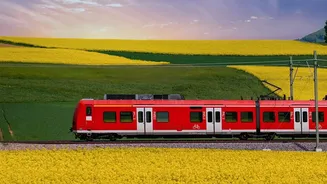
Embracing the Slow Travel Mindset
The decision to take the train is becoming less about cost or convenience and more about a conscious choice to slow down. The concept of 'slow travel' encourages a deeper connection with the journey, transforming it from a mere transit into a meaningful
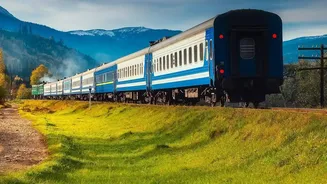
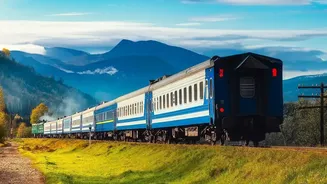
part of the holiday. Instead of rushing from one destination to the next, travellers are finding value in the unhurried moments: watching the landscape change, sharing conversations with fellow passengers, and detaching from the digital world. This mindset resonates deeply with nature enthusiasts, for whom the experience of being present and observant is paramount. The journey becomes an opportunity to witness the subtle shifts in topography and ecology, fostering a greater appreciation for India's diverse environments before even arriving at the final stop.
A Window Seat to India's Wilderness
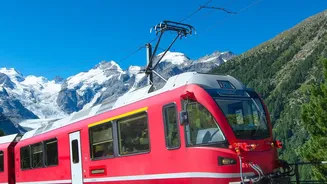
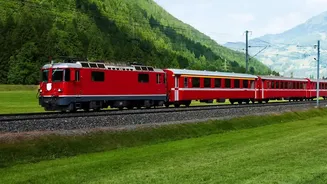
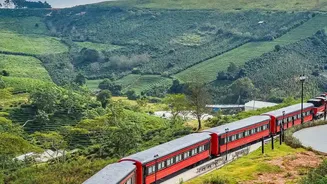
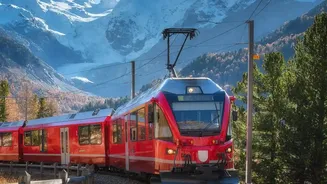
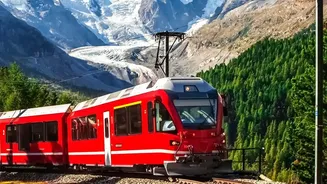
Perhaps the most compelling reason for nature lovers to choose rail travel is the unparalleled view. Unlike a flight at 30,000 feet, a train journey offers a front-row seat to the unfolding spectacle of the land. India is blessed with some of the world's most scenic rail routes that act as gateways to incredible natural beauty. The Konkan Railway, for instance, is a marvel of engineering that winds its way along the western coast, offering breathtaking views of the Arabian Sea, the lush Western Ghats, and dramatic waterfalls, especially during the monsoon. Similarly, the UNESCO World Heritage-listed Nilgiri Mountain Railway slowly chugs its way up steep gradients, taking passengers through dense forests, verdant tea plantations, and rolling hills on its way to Ooty. These journeys aren't just a means of transport; they are mobile observatories of India's natural splendour.
A Greener Footprint on the Earth
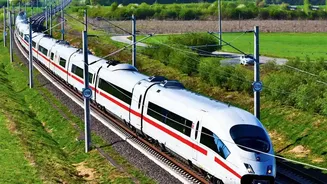
For those who love nature, protecting it is often a priority. Environmental consciousness is a significant driver behind the renewed interest in rail travel. Trains are one of the most sustainable modes of mass transport, emitting significantly less carbon dioxide per passenger-kilometre compared to airplanes or cars. Studies have shown that choosing a train over a plane can reduce a journey's emissions by a substantial margin, in some cases over 85%. Beyond carbon emissions, rail travel also contributes to less noise pollution and requires more efficient land use compared to the vast infrastructure needed for airports and highways. By opting for the train, travellers can explore the country's beautiful landscapes while minimising their environmental impact, aligning their actions with their appreciation for the planet.
Iconic Journeys for the Nature-Bound
India's railway network offers a variety of iconic routes that cater specifically to those seeking a connection with nature. The Darjeeling Himalayan Railway, another UNESCO World Heritage site, offers magical views as it loops and zig-zags through the hills of West Bengal. The Matheran Hill Railway takes you into a vehicle-free hill station, preserving its quiet and clean atmosphere. For those wanting to witness the dramatic landscapes of the north, the Kashmir Railway route offers spectacular views of the snow-capped Pir Panjal mountains through its network of tunnels and bridges. Whether it's the coastal charm of the Island Express from Kanyakumari to Trivandrum or the forest-clad Dooars Voyage in the east, there is a train journey for every kind of nature lover.