




Turmeric (Haldi): The Golden Healer
A staple in every Indian masala dabba, turmeric is more than just a colourant for curries. During monsoon, it acts as a powerful immunity booster. The active compound, curcumin, has potent anti-inflammatory, antioxidant, and antimicrobial properties.
This helps your body fight off the seasonal colds, flu, and throat infections that are common during the rains. A daily dose of 'haldi doodh' (turmeric milk) before bed is a traditional and effective way to strengthen your defences. For maximum benefit, always pair turmeric with a pinch of black pepper, which significantly increases curcumin absorption.
Ginger (Adrak): The Warming Digestive Aid
That steaming cup of adrak chai is a monsoon cliché for a good reason. Ginger is a warming spice that is incredibly beneficial during the damp, cool weather. It is renowned for its ability to soothe an upset stomach, relieve sore throats, and aid digestion, which tends to become sluggish during this season. Ginger contains gingerol, a bioactive compound with powerful anti-inflammatory and antioxidant effects. Whether brewed into tea, added to soups, or used generously in your cooking, ginger helps keep your digestive fire strong and clears congestion.
Garlic (Lehsun): Nature's Antibiotic
Often hailed as nature's antibacterial booster, garlic is a must-have for warding off monsoon illnesses. Its key compound, allicin, has powerful antiviral and antibacterial properties that stimulate the production of white blood cells, your body's first line of defence against infections. Regular consumption of garlic can help reduce the severity of colds and flu. To reap the maximum benefits, it's best to consume garlic raw and crushed. If that's too pungent, chopping it and adding it to your cooking just before serving can help preserve its medicinal qualities.
Seasonal Fruits: Nature’s Vitamin Boost
While it's wise to be cautious about raw foods, certain seasonal fruits are excellent for immunity. Pomegranates, pears, plums, and jamun (Indian blackberry) are packed with Vitamin C and antioxidants. These nutrients are vital for strengthening the immune system and protecting cells from damage. Fruits like papaya are also great for digestion. The key is to ensure they are washed thoroughly and consumed fresh. They provide natural hydration and essential vitamins that help your body stay resilient.
Probiotics (Dahi): For a Happy Gut
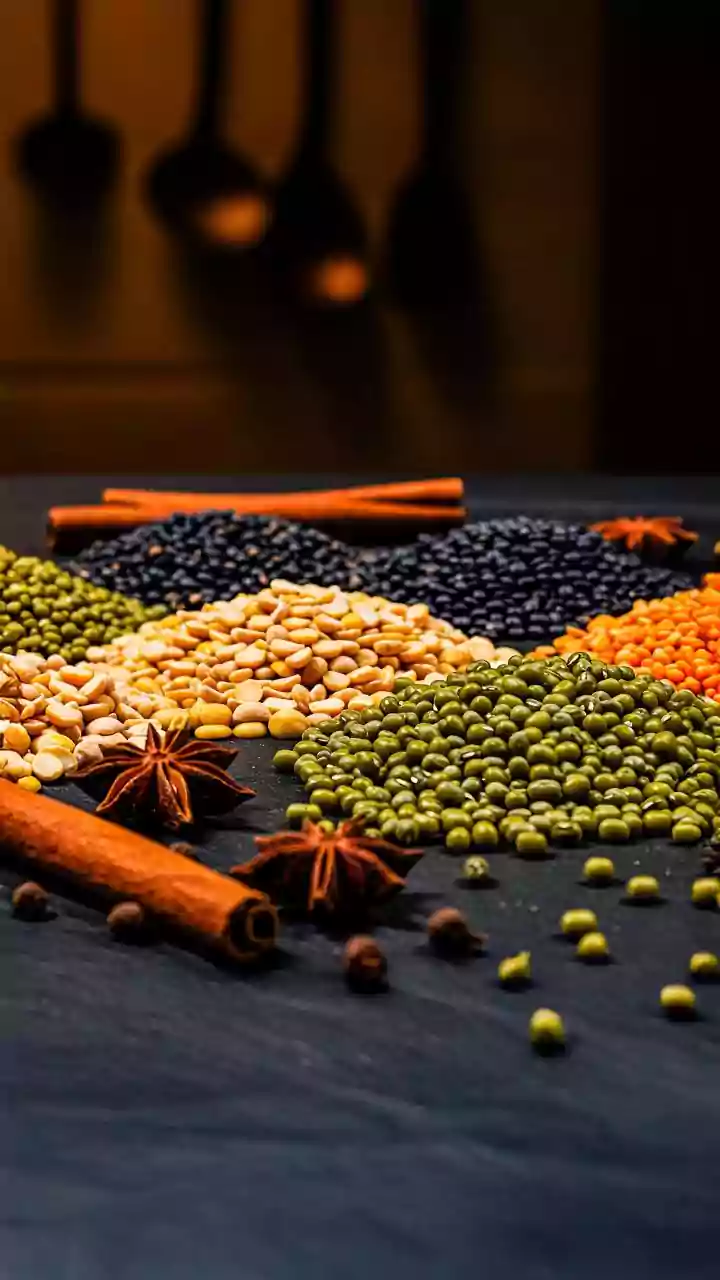
A healthy gut is the cornerstone of a strong immune system. The monsoon can be tough on our digestive tract, making probiotics essential. Fresh, homemade yogurt or curd is an excellent source of good bacteria that supports gut health. Ayurveda recommends consuming it during the day. A healthy gut microbiome not only aids digestion but also plays a crucial role in producing antibodies and fighting off pathogens. Including lentils, pulses, and light, cooked meals like khichdi also supports digestive wellness during this season.
Bitter Vegetables: The Protective Greens
While many leafy greens are best avoided due to contamination risks, bitter vegetables like karela (bitter gourd), lauki (bottle gourd), and tori (ridge gourd) are highly recommended. These vegetables are light, easy to digest, and packed with nutrients that help prevent infections. Ayurveda suggests that bitter foods help balance the body and improve gut function. Steaming or cooking them in simple preparations makes them an ideal addition to your monsoon diet, providing essential fibre and vitamins without burdening the digestive system.