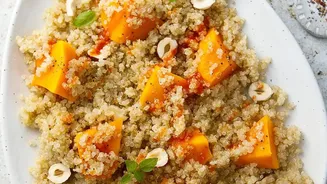



Quinoa and lentils are staples in any health-conscious kitchen. But when you place them head-to-head, the nutritional winner isn't always clear. The secret to a fair comparison lies in a detail many overlook: the serving size.
The Common Ground: A Tale of Two Powerhouses
First, let's acknowledge
that both quinoa and lentils are nutritional champions. Quinoa, a seed prepared and eaten like a grain, is celebrated for its fluffy texture and versatility. Lentils, a type of pulse or legume, are praised for being an inexpensive and hearty staple in soups, stews, and curries. Both are gluten-free and lauded for packing a healthy dose of plant-based nutrients. This shared reputation often puts them in the same category, but a closer look at the nutrition label reveals key differences that only become clear when you compare them correctly.
The Serving Size Dilemma: Dry vs. Cooked
Here’s where the confusion begins. Comparing one cup of dry quinoa to one cup of dry lentils is misleading because they absorb different amounts of water and expand to different final volumes. Quinoa can triple in size when cooked, while lentils typically double. Therefore, a quarter-cup of dry quinoa yields a much larger cooked portion than a quarter-cup of dry lentils. Nutrition labels can add to the confusion by listing values for either dry or cooked portions. To get an accurate comparison, it's essential to look at the same state (cooked) and the same unit of measurement—ideally, by weight (e.g., per 100 grams) rather than volume.
Protein Power: Quality vs. Quantity
When measured per 100 grams of cooked product, lentils pull ahead in protein quantity. They contain about 9 grams of protein, more than double the 4.4 grams found in quinoa. However, quinoa has a unique advantage: it's a 'complete protein'. This means it provides all nine essential amino acids your body cannot produce on its own, a rare trait for a plant-based food. Lentils are not a complete protein, but this is easily remedied by pairing them with a grain like rice during the day. So, for sheer protein volume, lentils win. For a standalone complete protein source, quinoa has the edge.
The Fibre Factor
If dietary fibre is your main goal for digestive health and feeling full, lentils are the clear winner. A 100gram serving of cooked lentils offers a powerful 7.9 grams of fibre. In contrast, the same amount of cooked quinoa provides about 2.8 grams of fibre. This makes lentils an exceptional choice for managing blood sugar levels and promoting longlasting satiety. In fact, the high fibre in lentils can even help stabilize blood sugar at your next meal.
A Look at Calories, Carbs, and Minerals
Calorie and carbohydrate counts are quite similar. Per 100 grams cooked, lentils have about 116 calories and 20 grams of carbs, while quinoa has 120 calories and 21 grams of carbs. Where they diverge again is in micronutrients. Lentils are nutritional powerhouses for certain minerals, boasting significantly more iron and potassium. They are also an incredible source of folate, with one cup providing 90% of the recommended daily value. Quinoa, on the other hand, typically contains more magnesium and manganese.
In the Kitchen: The Final Verdict
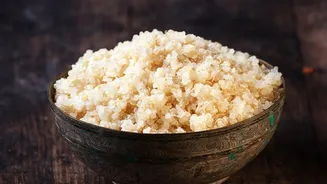
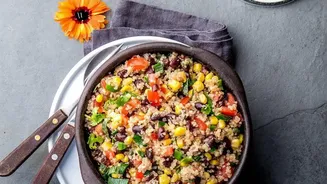
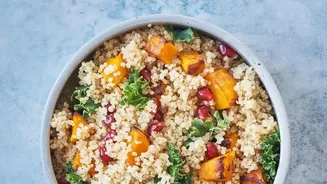
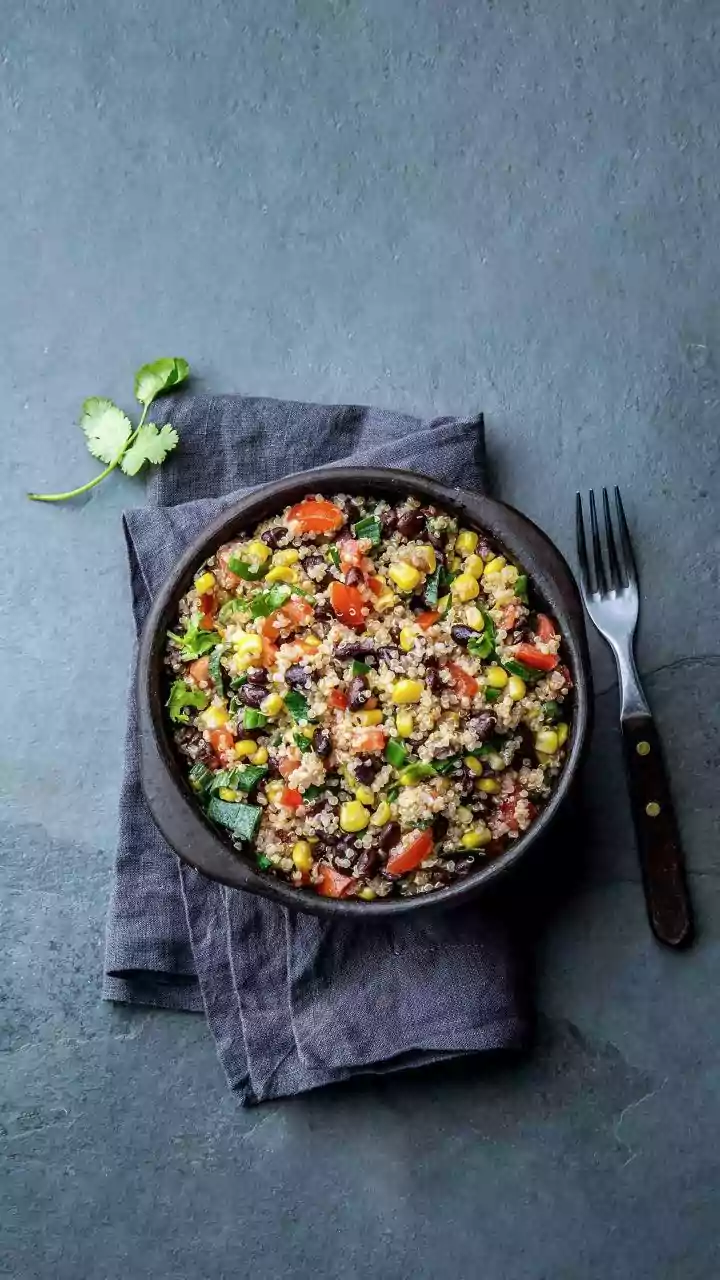
Beyond the numbers, a food's usefulness comes down to how you eat it. Quinoa’s light, fluffy texture makes it a fantastic substitute for rice, a base for salads, or even a breakfast porridge. Lentils, with their heartier nature, are perfect for robust dishes like dal, soups, and veggie burgers. Brown and green lentils hold their shape well in salads, while red lentils cook down into a creamy texture ideal for soups. Ultimately, neither is universally 'better'. For the highest protein and fibre content, lentils are the nutritional workhorse. For a versatile grain substitute that delivers a complete protein, quinoa is an excellent choice.