




The Eyes and Ears of the Underground
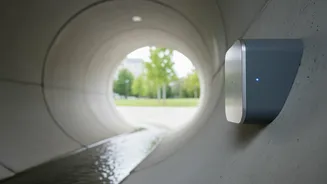
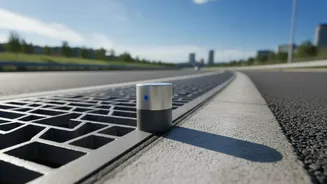
At its core, an urban drainage sensor is a small but powerful piece of technology placed inside a city's stormwater drainage network. Think of it as a high-tech watch guard for our underground pipes and channels. These Internet of Things (IoT) enabled
devices are designed to do one thing exceptionally well: measure the level and flow rate of water in real-time. Unlike traditional methods that rely on manual checks or broad weather forecasts, these sensors provide a hyperlocal, minute-by-minute picture of what’s happening beneath the streets. When water levels start to rise dangerously, the sensor knows it instantly.
From a Trickle of Data to a Flood of Information
So, how does a measurement inside a drainpipe turn into a life-saving alert? The process is a seamless blend of hardware and software. Once a sensor detects that water has reached a predefined critical threshold, it transmits this data wirelessly to a central control system. This system then aggregates information from hundreds or even thousands of sensors across the city. By combining this ground-level data with meteorological information like rainfall predictions, advanced systems can use artificial intelligence (AI) and machine learning algorithms to analyse patterns and forecast potential flood hotspots with remarkable accuracy.
Turning Forecasts into Actionable Warnings
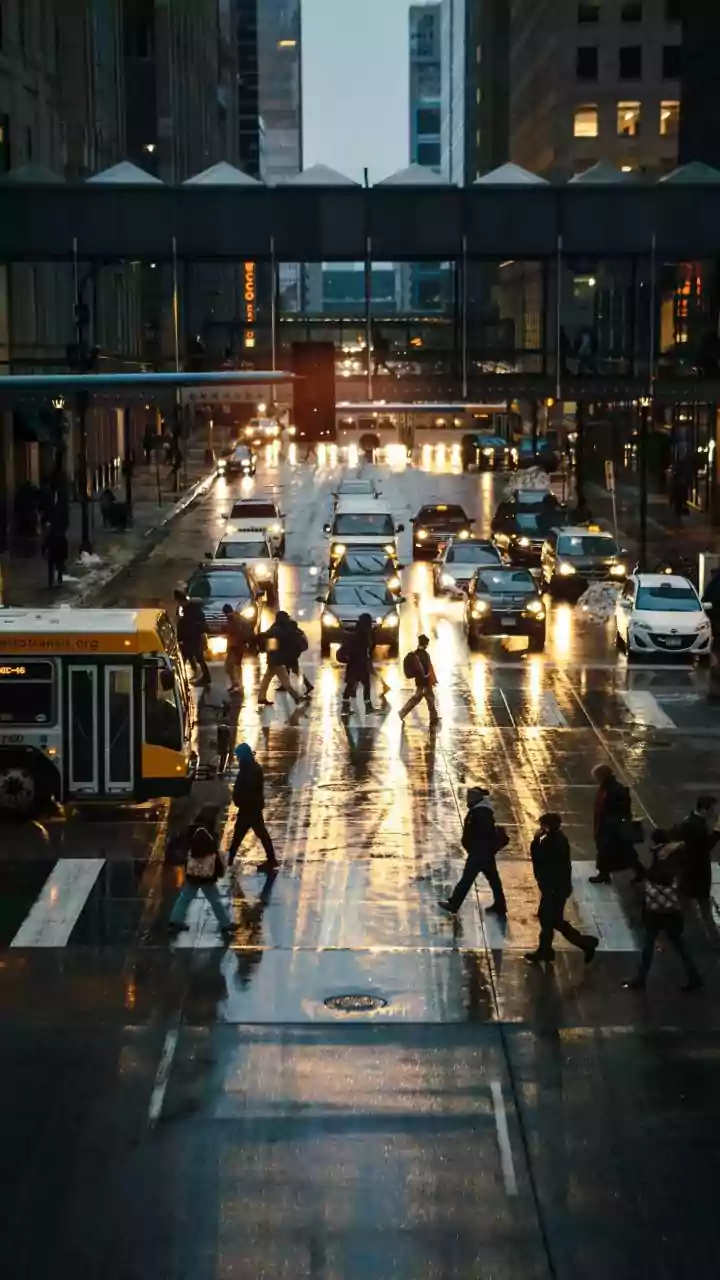
This predictive capability is where the real power lies. Instead of reacting to a flood that's already happening, city authorities can become proactive. The system automatically generates alerts that are sent to disaster management teams, municipal officials, and first responders, letting them know exactly where and when a flood is likely to occur. This allows them to implement protective measures, such as deploying water pumps to a vulnerable area, clearing blocked drains, or closing off specific roads. Crucially, these warnings can also be disseminated to the public via SMS, social media, and dedicated apps, giving residents precious time to move their vehicles to higher ground, secure their property, and prepare for evacuation if necessary.
A Proactive Approach for Indian Cities
Urban flooding is a severe challenge for major Indian metropolitan areas like Kolkata, Mumbai, and Gorakhpur, which have begun exploring and implementing these advanced systems. Kolkata, for instance, has been working on a city-level flood forecasting system to combat its vulnerability to monsoon rains and an inadequate drainage network. These systems shift the entire paradigm of flood management from a reactive, post-disaster response to a proactive, data-driven strategy. By providing early warnings, authorities can significantly reduce property damage, minimize economic losses, and, most importantly, save lives.
Beyond Warnings: Building Resilient Cities
The benefits of drainage sensors extend beyond immediate flood alerts. The vast amount of data collected over time provides invaluable insights for long-term urban planning. Municipal corporations can identify recurring choke points in the drainage network and prioritize them for maintenance or upgrades. This historical data helps engineers design more resilient infrastructure that is better equipped to handle the intense rainfall events becoming more common due to climate change. Essentially, these sensors not only warn us about the next flood but also help us build cities that are less likely to flood in the first place.