
The Lithium-Ion Hurdle
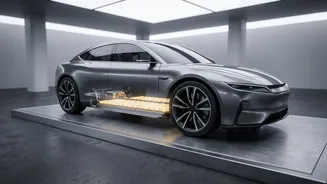
For years, the dream of an affordable electric car for the Indian family has been stalled by one component: the battery. Lithium-ion batteries, the current industry standard, account for a massive chunk of an EV's total cost, often as much as 40%. The
problem lies in the raw materials. Lithium, cobalt, and nickel are not only expensive but are also mined in just a handful of countries, creating a volatile and geopolitically sensitive supply chain. This has kept EV prices stubbornly high, pushing them out of reach for the average Indian buyer and slowing down the nation's green mobility ambitions.
Enter Sodium: Abundant and Affordable
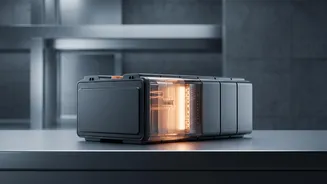
Sodium-ion (Na-ion) batteries operate on a similar principle to their lithium-ion counterparts but use a different, far more accessible element: sodium. Found everywhere from common table salt to vast mineral deposits, sodium is estimated to be over 500 times more plentiful than lithium. This incredible abundance is the core of its revolutionary potential. With vast reserves available globally, including in India, sodium breaks the reliance on a concentrated supply chain, aligning perfectly with national goals like 'Atmanirbhar Bharat' (self-reliant India). The raw material for Na-ion batteries, soda ash, is dramatically cheaper than battery-grade lithium, laying the foundation for significant cost reductions.
The Real-World Cost Advantage
The savings from using sodium go beyond the primary material. Sodium-ion battery designs can substitute expensive copper foil with cheaper and lighter aluminum for a key component called the current collector, further chipping away at production costs. Industry analysts project that, at scale, sodium-ion battery packs could be 20-40% cheaper to produce than equivalent lithium-ion packs. For a market as price-sensitive as India's, a cost reduction of this magnitude is not just an incremental improvement; it's a potential revolution, opening the door to a new generation of truly budget-friendly EVs.
Performance and Practicality: Is There a Catch?
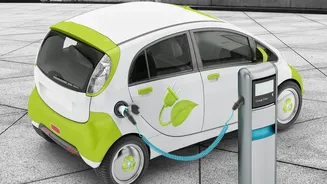
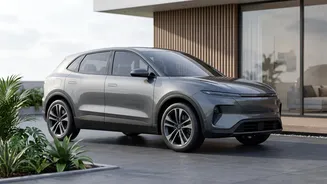
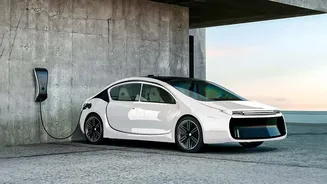
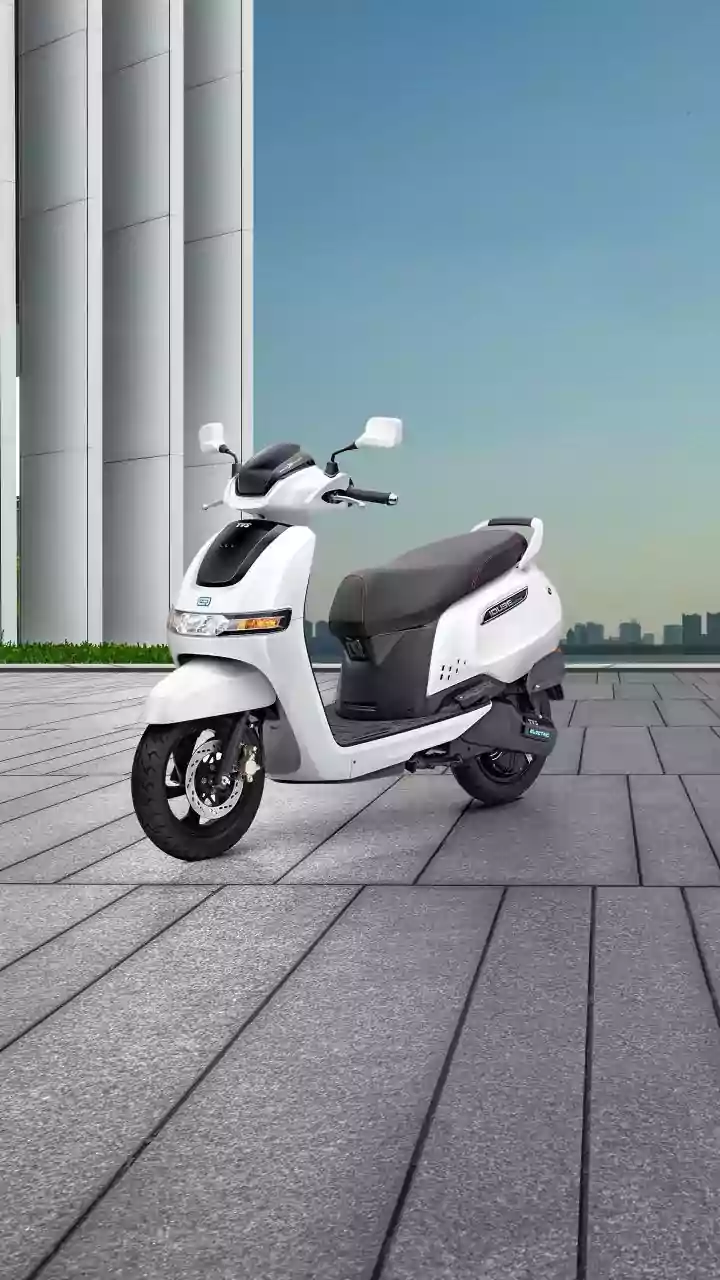
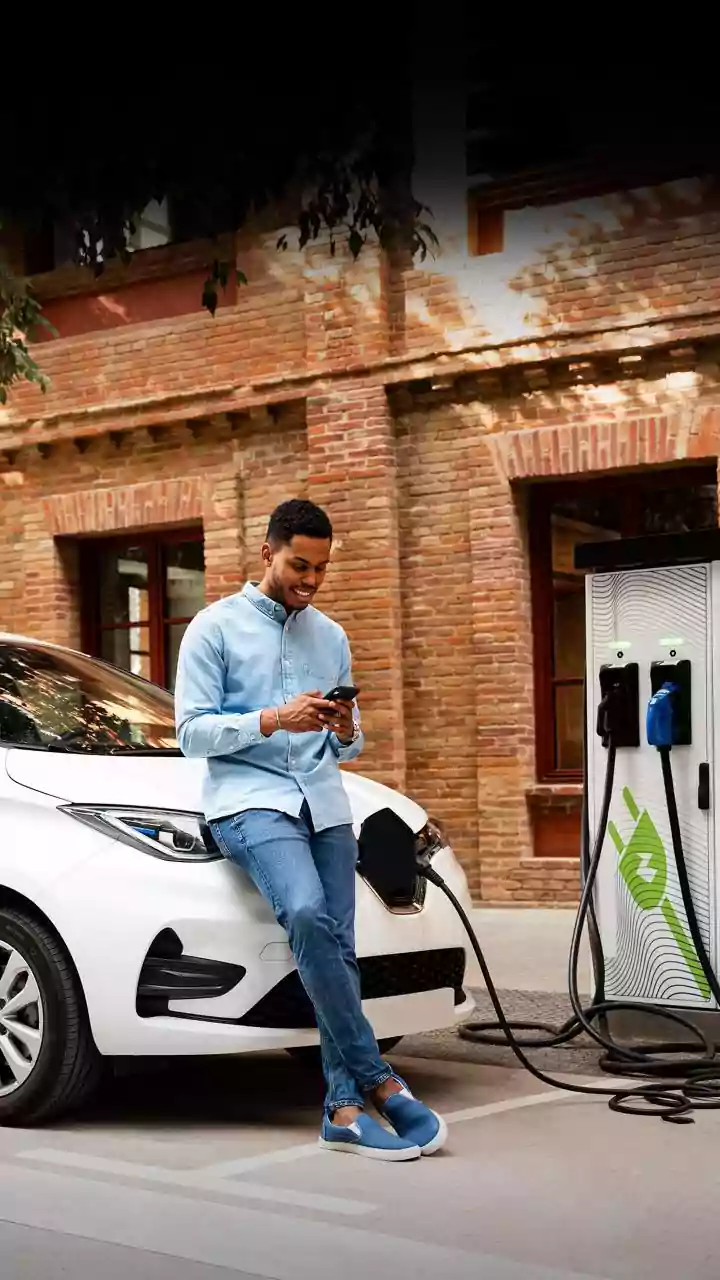
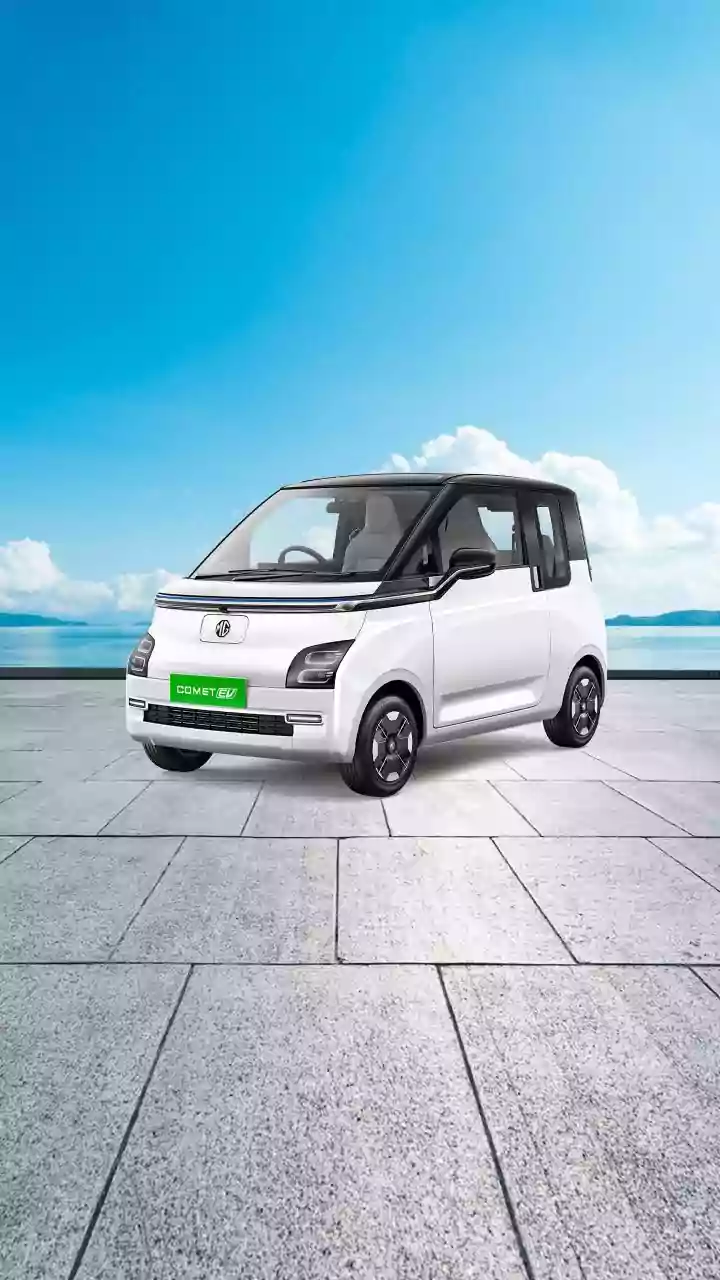
Of course, this cost advantage comes with a trade-off: energy density. Currently, sodium-ion batteries store less energy per kilogram than most lithium-ion batteries. This means they are heavier for the same range, making them less suitable for high-performance, long-range luxury EVs. However, for the bulk of the Indian market—city cars, electric scooters, and three-wheelers—this is a manageable compromise. Vehicles used for daily urban commutes don't require a 500-kilometre range. In return, Na-ion batteries offer compelling benefits. They are generally safer, with better thermal stability and a lower risk of fire than some lithium chemistries. They also perform significantly better in a wide range of temperatures and can often be charged faster.
The 'Make in India' Push
This technological shift is already taking root in India. A growing number of domestic companies and research institutions are pioneering Na-ion technology. Firms like KPIT Technologies, Indi Energy, and Rechargion are actively developing sodium-ion solutions, with some even using agricultural waste to produce key components. Researchers at the Jawaharlal Nehru Centre for Advanced Scientific Research (JNCASR) in Bengaluru have even developed a prototype that claims to charge to 80% in just six minutes, showcasing the rapid innovation in this space. This local development and manufacturing ecosystem is crucial, as it promises to create a domestic supply chain for batteries, insulated from global price shocks and supply disruptions.