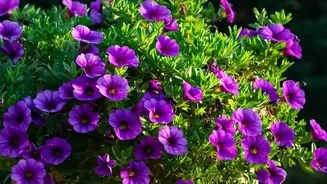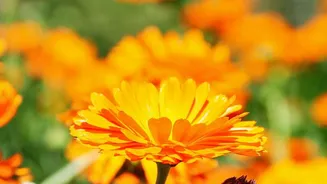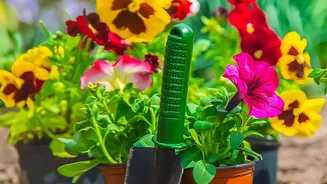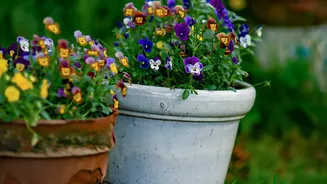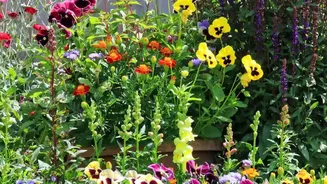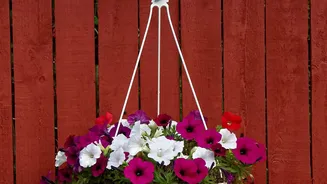


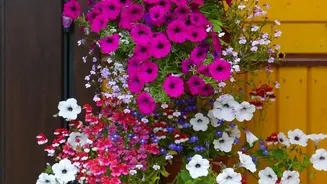
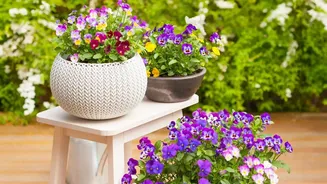
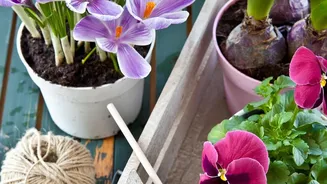
As the monsoon recedes and a pleasant chill fills the air, India's gardens come alive. For those seeking a vibrant splash of colour, pansies and petunias are two of the best choices for the cool season. Here is your guide to growing them.
Your Winter Colour Palette
Across most of
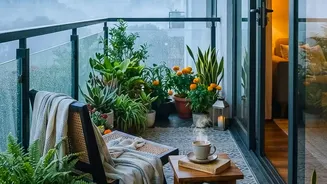
India, the winter season, from October to March, provides the perfect climate for a host of flowering annuals that struggle in the summer heat. Pansies, with their charming, face-like markings, and petunias, known for their prolific, trumpet-shaped blooms, are undisputed stars. They are ideal for pots, hanging baskets, and garden beds, making them accessible to gardeners with balconies, terraces, or larger outdoor spaces. Both thrive in the cool, sunny days of an Indian winter, offering a long-lasting display of colour until the temperatures begin to rise again.
Getting Started: Timing is Everything
Success with these winter beauties depends heavily on timing. The ideal period to sow seeds is when the intense heat has subsided, generally between September and November in the northern and central plains. In southern and western India, this window often extends from October to December. Sowing during these months allows the seedlings to establish themselves before the peak flowering season of December to February. Pansies, in particular, need cool temperatures of around 18°C to germinate effectively. If you've missed the sowing window, don't worry. Nurseries across the country are well-stocked with healthy seedlings during these months, offering a convenient shortcut to a blooming garden.
The Right Foundation: Soil and Sun
Both pansies and petunias require well-draining soil that is rich in organic matter. A good potting mix can be made by combining garden soil, compost or vermicompost, and cocopeat in roughly equal parts. This ensures the roots have access to nutrients without becoming waterlogged. Sunlight is another critical factor. Petunias are sun-lovers, needing at least five to six hours of direct sunlight to produce an abundance of flowers. Pansies enjoy full sun but also appreciate some shade from the harsh afternoon sun, especially as the season warms up. An east-facing balcony or a spot that receives gentle morning sun is perfect for them.
Watering and Feeding for Abundant Blooms
One of the most common mistakes in winter gardening is overwatering. Cooler temperatures mean the soil stays moist for longer. Water your plants only when the top inch of soil feels dry to the touch. Ensure your pots have drainage holes to prevent root rot, a condition to which both pansies and petunias are susceptible. Since they flower profusely, these plants are heavy feeders. Provide a balanced, water-soluble fertiliser every two to four weeks to encourage continuous blooms. You can also use organic options like mustard cake (sarson khali) liquid fertilizer, a traditional favourite for winter annuals.
Special Care for Bushier Plants
To get the most out of your plants, a little grooming goes a long way. For petunias, 'pinching' is key. When the young plant has a few sets of leaves, simply pinch off the top growing tip. This encourages the plant to grow side shoots, resulting in a bushier form with more flowers. For both pansies and petunias, the practice of 'deadheading'—regularly removing faded and spent flowers—is essential. This prevents the plant from putting its energy into producing seeds and instead directs it towards creating new blooms, extending the flowering season significantly.
Preparing for the Season's End
In the Indian plains, pansies and petunias are treated as annuals because they cannot survive the intense summer heat. As temperatures consistently rise above 28-30°C around March, the plants will naturally start to decline. You can prolong their life by moving them to a shadier spot and ensuring they are well-watered. However, their life cycle is tied to the cool season. Enjoy their spectacular show while it lasts, and plan to sow fresh seeds again the following autumn for another season of colour.