






What Is Protein Density, Exactly?
Protein density refers to how much protein you get for a certain number of calories. A food is considered protein-dense if a high percentage of its calories come from protein, rather than from carbohydrates or fats. Think of it this way: a protein bar
with 15 grams of protein and 400 calories is very different from a serving of Greek yogurt with 15 grams of protein and 150 calories. The yogurt is far more protein-dense. Looking only at the "15 grams of protein" on the front of the package tells you just one part of the story. Protein density gives you the full picture, helping you understand the nutritional quality of each calorie you consume.
Why It's a Smarter Metric
Focusing on protein density is crucial for several reasons. First, it helps with satiety—the feeling of fullness. Protein is widely considered the most satiating macronutrient. When you choose foods that are dense in protein, you're more likely to feel full and satisfied for longer, which can help prevent overeating. This is especially useful for weight management. Second, it helps you avoid "health halos," where a food seems healthy because of one prominent claim. A snack can be advertised as high in protein but also be loaded with sugar and unhealthy fats, making its overall calorie count skyrocket. Using protein density helps you spot these pseudo-healthy snacks and make genuinely better choices.
Your Supermarket Cheat Sheet
You don't need to be a math whiz to figure this out in the aisle. A quick way to calculate it is to check the nutrition label. Since protein has 4 calories per gram, you can multiply the grams of protein by 4, then divide that number by the total calories. For example, if a snack has 10 grams of protein and is 200 calories, the calculation is (10 x 4) / 200 = 0.20, meaning 20% of its calories come from protein. A good rule of thumb is to look for foods where at least 10% of the calories come from protein. For a snack to be considered genuinely high in protein, experts suggest aiming for 30% or more. An even simpler guideline is to look for foods that offer at least 10 grams of protein for every 100 calories.
Real-World Indian Examples
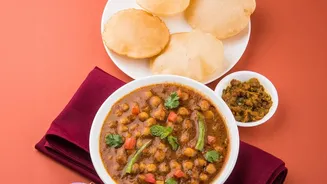
Let's apply this to common packaged options found in India. A serving of plain Greek yogurt or high-protein dahi is a champion of density, often packing 15-20 grams of protein for around 130 calories. Compare this to a popular 'protein biscuit' which might offer 10 grams of protein but for over 300 calories and a lot of refined flour. Packaged paneer is another winner, with about 18-20 grams of protein per 100g serving. Even traditional staples like sattu (roasted gram flour) are incredibly protein-dense, providing up to 25 grams of protein per 100g with minimal processing. Roasted chana or packaged soy chunks also offer excellent protein density for their caloric cost, making them smart, affordable choices.