




The Promise in the Bottle
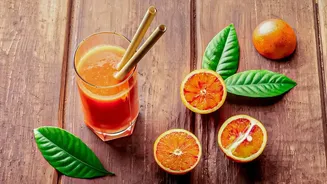
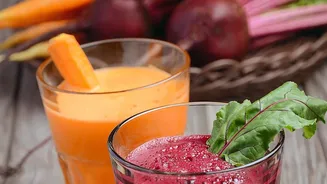
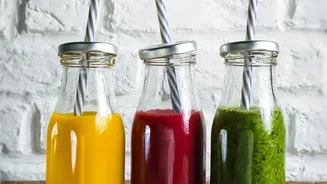
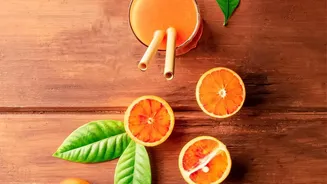
Walk into any health-conscious cafe or supermarket, and you will find a rainbow of cold-pressed juices promising everything from a 'detox' to a radiant glow. They are marketed as a convenient shortcut to consuming multiple servings of fruits and vegetables.
The process of cold-pressing uses a hydraulic press to extract the maximum amount of liquid from produce without using heat, which proponents say preserves more vitamins and enzymes. This nutrient-dense liquid seems like the perfect solution for a busy lifestyle, offering a quick hit of goodness on the go. However, this convenient health boost comes with a hidden trade-off that is often overlooked.
Where Does the Fiber Go?
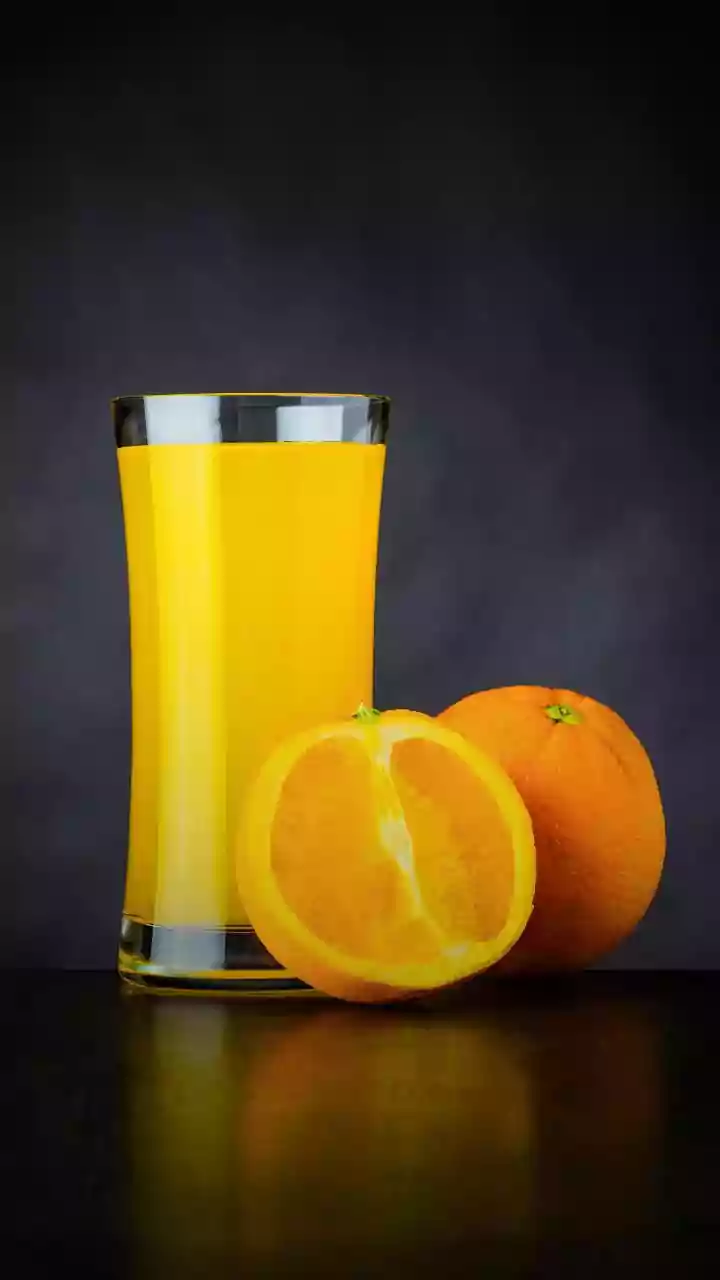
The key difference between eating a whole fruit and drinking its juice lies in one crucial component: dietary fiber. The juicing process, whether cold-pressed or centrifugal, is designed to separate the liquid from the solid parts of the fruit or vegetable. That solid material—the pulp and skin—is where the majority of the insoluble fiber is located. While some soluble fiber remains in the juice, the all-important insoluble fiber, which provides bulk, is discarded. This is why you can drink the juice of five oranges in a single glass, a feat you would be unlikely to attempt if you were eating the fruits whole. That missing fiber is the main character in our story of energy crashes and hunger pangs.
The Blood Sugar Rollercoaster
When you eat a whole apple, its natural sugars are bound up in a fibrous cellular structure. This fiber acts as a natural brake, forcing your digestive system to work harder and slowing down the absorption of sugar into your bloodstream. When you drink juice, that brake is gone. The sugars, now considered 'free sugars', are absorbed very quickly, causing a rapid spike in your blood glucose levels. In response, your pancreas releases a large amount of insulin to shuttle this sugar out of the blood and into your cells. This hormonal overreaction is efficient, but it's too efficient for its own good.
From Sugar High to Energy Crash
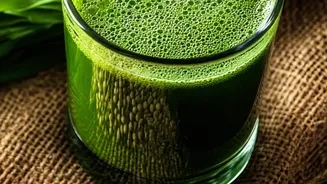
The sudden, large insulin surge quickly clears the sugar from your bloodstream, often causing your blood sugar to drop below its initial level. This is the 'crash'. Suddenly, you might feel tired, irritable, foggy-headed, and even a little shaky. Your brain, which relies on a steady supply of glucose for fuel, is suddenly running on a deficit. This state, known as reactive hypoglycemia, explains why you might feel lethargic and unfocused an hour or two after that seemingly healthy green juice. Instead of sustained energy, you have experienced a short-lived high followed by a debilitating low.
The Return of the Hunger Pangs
Fiber does more than just regulate blood sugar; it is also a key player in satiety, the feeling of fullness. Insoluble fiber adds bulk to food in your stomach, while soluble fiber forms a gel-like substance that slows down digestion. Chewing whole foods also sends signals to your brain that you are eating and should start to feel full. Because juice has almost no bulk and requires no chewing, it does not trigger these same satiety signals. The liquid calories are processed so quickly that your body barely registers them, which is why you might find yourself feeling hungry again shortly after finishing your drink.
Smarter Sipping Strategies
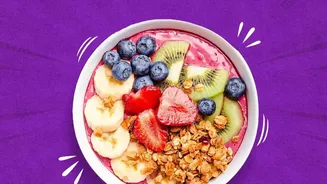
This does not mean you must give up on liquid nutrition entirely. The solution is to reintroduce the fiber. Opting for a smoothie instead of a juice is a great alternative, as blending keeps the entire fruit or vegetable, fiber and all, intact in the final product. If you love your juice, consider treating it as one component of a larger snack rather than a standalone drink. Pairing your juice with a source of fiber and protein, like a handful of nuts, a piece of whole-grain toast, or some yoghurt, can help slow down sugar absorption and prevent the subsequent crash. By doing this, you get the vitamins from the juice and the stabilizing benefits of fiber, creating a more balanced and energizing snack.