


The Post-Monsoon Paradox
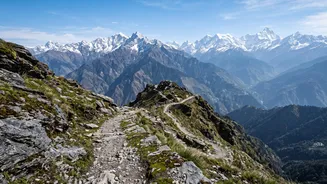
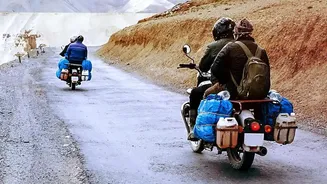
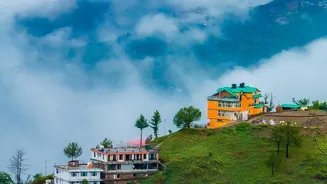
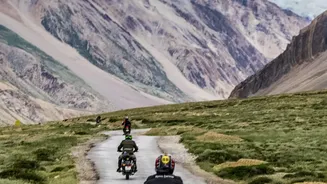
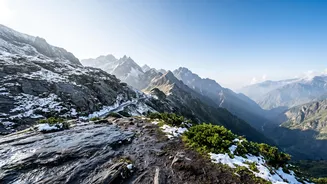
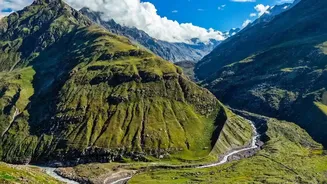
The period from October to November is a sweet spot for Himalayan travel. The heavy rains have washed the dust from the air, leaving behind vibrant, green landscapes and breathtakingly clear views. This is when trekkers and road-trippers flock to popular
destinations in Uttarakhand, Himachal Pradesh, and Ladakh. However, this season is also a 'shoulder' period, a volatile transition between the wet monsoon and the cold, dry winter. While the weather appears stable, the ground beneath your feet—and wheels—is often anything but. The very rains that create the lush scenery also set the stage for significant travel disruptions.
The Lingering Threat of Landslides
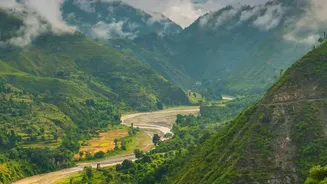
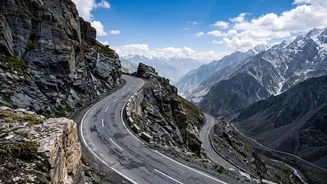
The single greatest risk during this season is landslides. Monsoon downpours saturate the soil and destabilise steep Himalayan slopes for weeks after the rain stops. Geologically young and tectonically active, these mountains are naturally prone to slope failure. A single, unexpected spell of late-season rain can be enough to trigger a landslide, blocking major arteries and remote roads for hours, or even days. Regions like Himachal Pradesh and Uttarakhand are particularly vulnerable, with key routes often severed with little warning, leaving travellers stranded. This is not a rare occurrence; it's a predictable risk that every post-monsoon traveller must plan for.
Unpredictable Weather and Early Snowfall
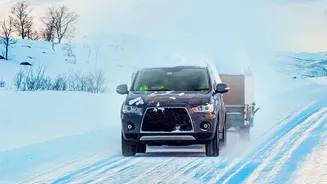
The shift from monsoon to winter isn't a simple flick of a switch. The weather in October and November can be fickle. While days are often sunny and pleasant, temperatures can plummet at night, especially at higher altitudes. More critically, high mountain passes like Rohtang, Kunzum La, or Zoji La can receive early, unseasonal snowfall. This can lead to sudden road closures, cutting off access to remote valleys like Spiti or regions like Ladakh. A trip that started under blue skies can quickly turn into a race against the first blizzard of winter. Relying on a fixed, unchangeable transport plan in such a dynamic environment is a recipe for disaster.
What 'Flexible Transport' Really Means
Flexibility in Himalayan travel is about more than just a refundable bus ticket. It's about having a strategy with multiple backup plans. The gold standard is hiring a private vehicle with an experienced local driver. While more expensive, a private cab offers unparalleled flexibility. A knowledgeable driver will know the terrain, understand the risks, and crucially, be aware of alternate routes if the main road is blocked. They can decide to wait out a minor roadblock or navigate a lesser-known detour to keep you moving. In contrast, public buses operate on fixed schedules and routes, meaning if a road is closed, you are stranded until it reopens. If you opt for a self-drive rental, ensure it's a 4x4 vehicle suitable for rough terrain and that you are experienced in mountain driving.
Why 'Booking Early' is Non-Negotiable
Because the post-monsoon window is so popular, demand for reliable transport skyrockets. The best vehicles and, more importantly, the most experienced and safest drivers are booked out weeks or even months in advance. Waiting until the last minute often means you are left with subpar options—older vehicles, less experienced drivers, or inflated prices. In the Himalayas, the quality of your driver and vehicle is a critical safety component, not a luxury. Booking early gives you the power of choice. You can research taxi services, speak to drivers, check reviews, and secure a transport partner who prioritises safety and reliability. This simple act of planning ahead transforms your trip from a gamble into a well-managed adventure.