




Choose Your Destination Wisely
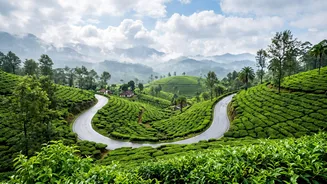
Not all destinations are equal in the rain. For hills, consider places in the Western Ghats like Munnar, Coorg, or Wayanad, which become lush and beautiful. However, be cautious with Himalayan destinations such as those in Himachal Pradesh and Uttarakhand,
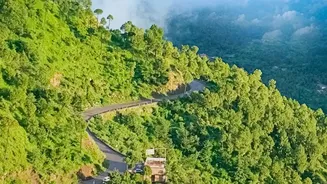
which are more prone to landslides during heavy rains. For coastal trips, places like Goa and the Konkan Coast can be stunning, but rough seas often mean swimming is banned and beach shacks are closed. The Andaman and Nicobar Islands might face ferry disruptions. A destination with a mix of indoor and outdoor attractions is a safe bet.
Pack for a Downpour, Not Just a Drizzle
Your packing list is your first line of defence. Leave the cotton and denim at home; they take forever to dry. Instead, opt for lightweight, synthetic, quick-dry clothing. A reliable waterproof jacket or poncho is non-negotiable. Footwear is critical: pack waterproof, non-slip sandals or shoes, and always carry an extra pair. Don't forget a waterproof cover for your backpack and smaller dry bags or zip-lock pouches for electronics, documents, and cash. An umbrella is good for city strolls, but a hooded jacket is better for windy, open areas.
Build a Flexible Itinerary
When rain is a factor, a rigid, tightly packed schedule is a recipe for disappointment. The key is flexibility. Keep your itinerary loose and have backup plans. Identify indoor activities like visiting local museums, cafes, or spas for days when the downpour is relentless. Always build in buffer days, especially if your travel involves flights or long road journeys through hilly terrain. A landslide or a flooded road could cause significant delays, and an extra day provides a stress-free cushion.
Prioritise Safety and Stay Informed
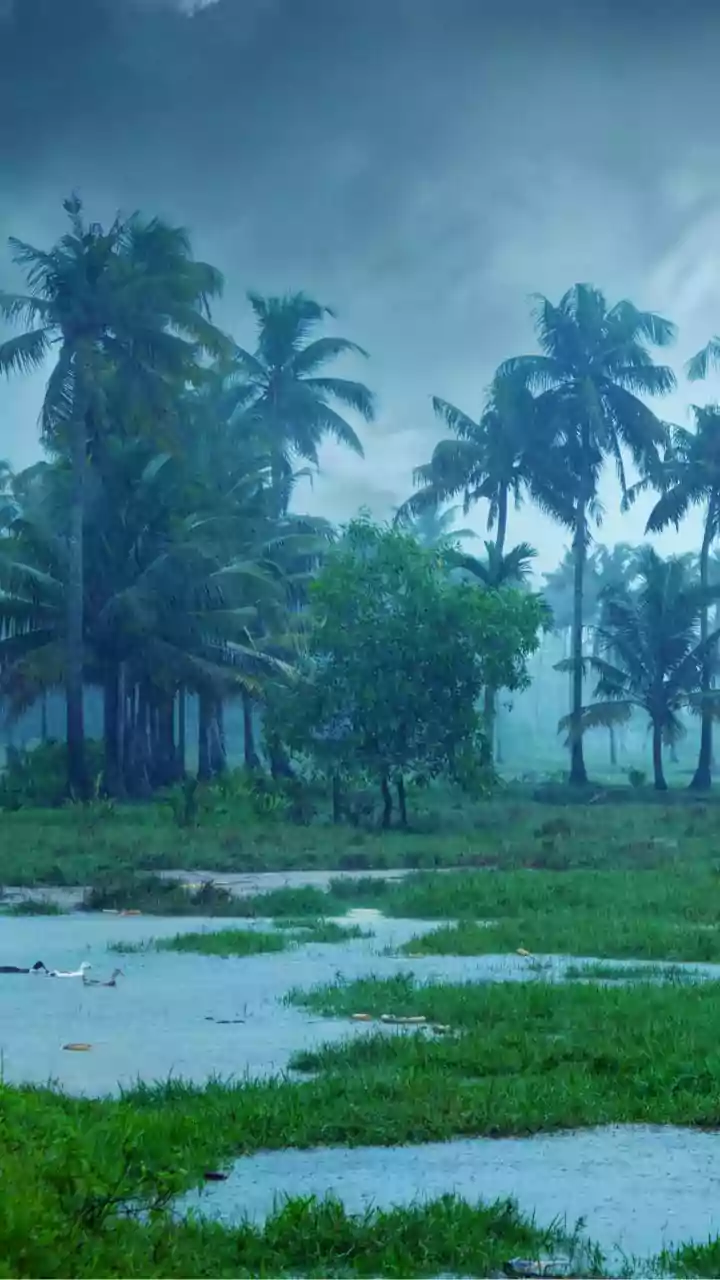
The beauty of the monsoon comes with inherent risks. Before and during your trip, regularly check weather forecasts and local advisories. In hilly areas, be vigilant about landslide warnings and avoid trekking on unmarked trails. Locals are your best source of information regarding safe routes and potential dangers. On the coast, respect warnings about rough seas and strong currents; never swim when red flags are up. It's also wise to avoid street food that might be exposed to contaminated water and to drink only sealed or purified water to prevent waterborne illnesses.
Leverage Technology and Smart Bookings
Modern tools can make monsoon travel significantly easier. Download reliable weather apps and offline maps before you go. A fully charged power bank is a must-have, as power cuts can be more frequent. When booking, opt for hotels and flights with flexible cancellation or rescheduling policies. This gives you an out if the weather takes a turn for the worse. Booking accommodation close to main transport hubs can also reduce the hassle of navigating waterlogged streets with your luggage.