



The Problem with Persistent Dampness
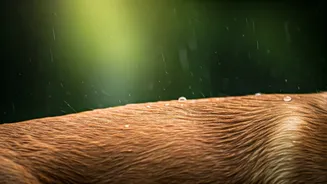
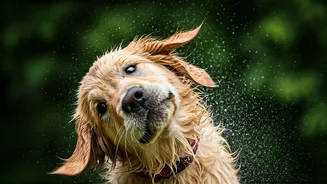
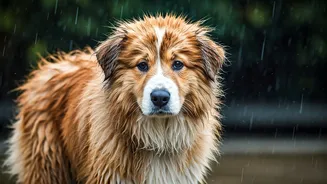
The joy of a rainy-day walk can quickly fade when you consider what happens to your pet's coat afterward. In the high humidity of the Indian monsoon, fur doesn't dry easily. [20] A coat that remains damp creates a warm, humid microclimate right against
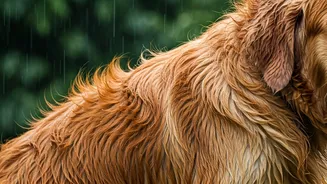
your pet's skin. [21] This environment is the perfect breeding ground for bacteria and fungi that are naturally present but kept in check by a healthy immune system and dry skin. [4, 5] When moisture is trapped for hours, especially in double-coated breeds or in skin folds, these microorganisms can multiply uncontrollably, leading to infections. [17, 19]
The Unseen Dangers: Skin Infections
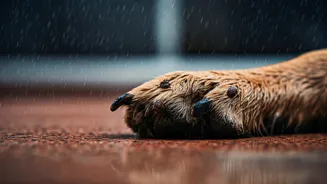
The most common issue arising from a perpetually damp coat is skin infection. Vets in India report a significant spike in these cases during the monsoon. [22] Look out for fungal infections like Malassezia (a type of yeast), which thrives in moist conditions and can cause intense itching, redness, a musty odour, and greasy skin. [16, 17] Bacterial infections, such as pyoderma or 'hot spots' (acute moist dermatitis), are also rampant. [18] These appear as red, inflamed, and often painful sores that can spread rapidly if your dog licks or scratches the area. [17] Paws, ears, and underbellies are particularly vulnerable. [15, 16]
Beyond the Skin: Other Monsoon Risks
A wet coat isn't just a skin issue. In smaller, older, or more vulnerable pets, being constantly damp can lead to a drop in body temperature and chills, potentially increasing susceptibility to other illnesses. [13] Furthermore, the monsoon season sees an explosion in parasites like ticks and fleas, which thrive in the damp environment. [10, 25] The risk of waterborne diseases like leptospirosis, a serious bacterial infection spread through contaminated puddles, also increases dramatically. [6, 17, 18] Keeping your pet dry is part of a broader strategy to keep them healthy during this challenging season.
Your Monsoon Pet-Care Checklist
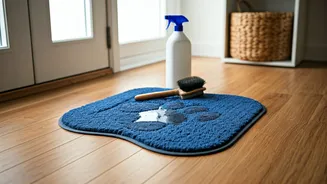
Preventing problems is far easier than treating them. The golden rule of monsoon pet care is to keep your pet as dry as possible. [15] After every single walk, no matter how short, dry your pet thoroughly. Use a highly absorbent towel first, then consider a pet-friendly hairdryer on a low, cool setting. [2, 11] Pay special attention to their paws (especially between the toes), ears, armpits, and any skin folds. [25] Investing in a good quality doggy raincoat can significantly reduce how wet they get in the first place. [11] Regular grooming, including brushing to prevent matting that traps moisture, is also crucial. [2, 11] Finally, ensure their bedding and living area are always clean and dry. [9, 10]
When to See a Veterinarian
While good home care can prevent many issues, some signs warrant an immediate trip to the vet. If you notice persistent scratching or licking, hair loss, scabby or crusty skin, a foul odour that doesn't go away, or if your pet seems lethargic or in pain, it’s time for professional help. [14, 21] Skin infections can worsen quickly, and what may look like a simple rash could be a more serious issue requiring specific medication, like antifungal shampoos or oral antibiotics. [6, 19] Early diagnosis and treatment are key to a speedy recovery and preventing a minor issue from becoming a major one. [14, 22]