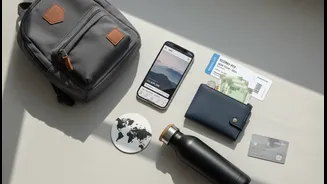









The Anatomy of a Micro-Break
Forget month-long planning and hefty savings. The micro-break is all about spontaneity and frequency. These are short trips, typically lasting between two and five days, often created by attaching a single day of leave to a weekend. Recent survey data
highlights this dramatic shift: a staggering 87% of young Indian travellers now prefer trips that last under a week, and a full 70% would rather take three short trips over one long annual holiday. This isn't just about taking more holidays; it's a fundamental change in rhythm. Travel is becoming less of a once-a-year grand event and more of a regular, reflexive response to the need for a quick reset from stress or simply an open weekend.
Why The Sudden Shift?
Several factors are fuelling this trend. First is the fight against modern burnout. These frequent, smaller escapes are seen as a more effective way to manage mental well-being than a single, high-pressure annual holiday. Second is the rise of hybrid and remote work. This newfound flexibility allows young professionals to blend work and leisure, a concept often called 'bleisure'. A significant number of Indian professionals now prefer a hybrid model, making it easier to finish a work week from a homestay in the hills and roll straight into a weekend break without eating into precious leave. Finally, travel has become an act of self-expression for this generation. It’s less about seeing famous landmarks and more about crafting a personal, unique experience.
The New Leave and Budget Equation
Micro-breaks are rewriting the rules of leave management and personal finance. Instead of hoarding annual leave for a big trip, young Indians are strategically using single days off to create multiple long weekends throughout the year. This approach maximizes their time off, providing more frequent periods of rest and exploration. Financially, the model is more accessible. Spreading travel costs over several smaller trips feels more manageable than saving for a single, expensive vacation. This doesn't necessarily mean spending less overall, but rather distributing the expense. Interestingly, shorter doesn't always mean cheaper; many travellers are opting for premium stays for their brief getaways, choosing to concentrate their spending on quality experiences over a shorter duration. This 'premium-in-a-pinch' mindset makes luxury more accessible on a recurring basis.
Closer to Home is the New Far Away
With only a few days to spare, the focus naturally shifts to domestic and easily accessible destinations. There’s a rising interest in exploring hidden gems and offbeat locations that haven't gone viral online. For those in major metro areas like Delhi, Mumbai, and Bengaluru, this trend has boosted tourism to nearby hill stations, coastal towns, and heritage sites. Destinations like Rishikesh, Lonavala, Neemrana, Hampi, and Gokarna are perfect for these quick escapes, offering a mix of adventure, relaxation, and culture within a few hours' travel by road or rail. The goal is to minimise travel time and maximise experience, making the journey as much a part of the break as the destination itself.
The 'Anti-Itinerary' Generation
Perhaps the most defining characteristic of the micro-break trend is the rejection of rigid plans. Reports have dubbed Gen Z the 'anti-itinerary' generation. For them, the absence of a plan is often the plan. An overwhelming 95% state it's important that their trip feels personal and unique, not pre-packaged. More than 80% say small, authentic moments, like exploring a local market, matter more than ticking off famous attractions. In fact, two in three young travellers admit to taking trips with the explicit intention of doing nothing at all—no sightseeing, no must-do activities, just pure rest and slow days. This philosophy is changing the industry, with accommodation itself becoming a key part of the destination, prioritising comfort, aesthetics, and shared spaces for connection over a simple place to sleep.