


The glow of Diwali often brings with it the warmth of memory, and for the Gandhi family, those memories are scented with the rich aromas of Kashmiri cuisine. A recent recollection by Sonia Gandhi has offered a rare, personal glimpse into this world.
A Cherished Family Tradition
In
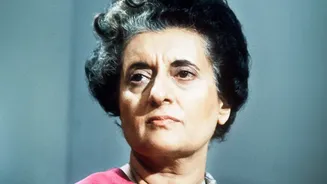
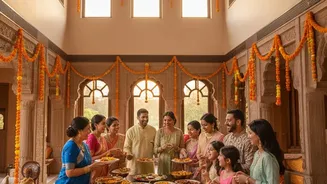
the bustling heart of political Delhi, the Prime Minister's residence at 1, Safdarjung Road under Indira Gandhi was also a family home where traditions were deeply valued. In a recent conversation shared on social media, Sonia Gandhi fondly remembered how her mother-in-law would host special pre-Diwali gatherings. These were not grand political events but intimate affairs for close friends and family, a time for connection before the main festival. For Sonia Gandhi, who had moved to India after her marriage, these moments were an education in Indian culture and familial customs. It was through these experiences that she absorbed the rhythms of the household, where national duties and personal traditions coexisted, creating a unique tapestry of life at the very centre of Indian power.
A Taste of Kashmir on the Table
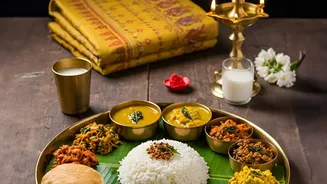
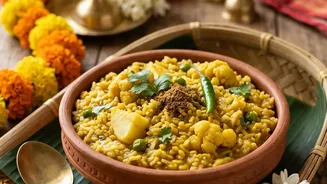
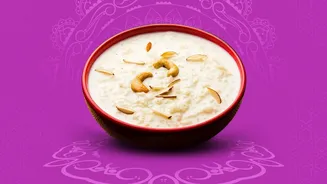
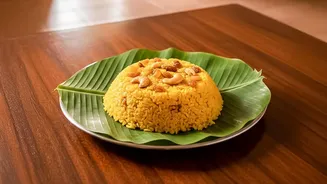
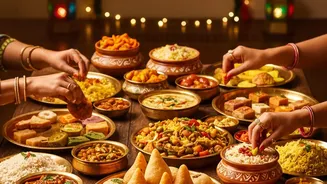
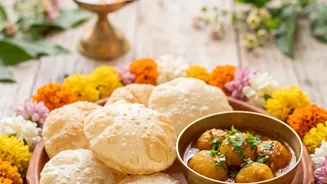
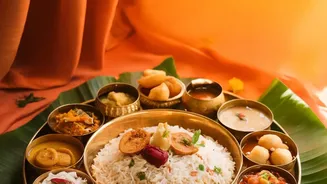
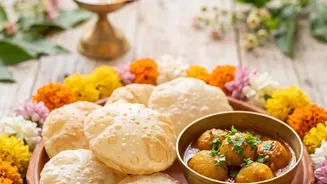
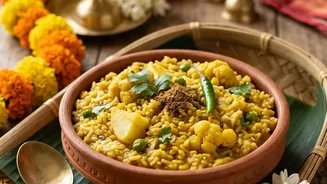
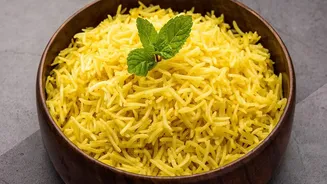
The highlight of these festive gatherings was the food, which paid homage to the family's Kashmiri Pandit origins. Sonia Gandhi specifically recalled that Kashmiri food was always part of the festival meals. While a full menu from decades ago is hard to piece together, the family's fondness for dishes like Rogan Josh was well-known, and other staples like haak (collard greens) and various koftas were part of their regular diet. One particular dish that remains a legacy is a sweet rice, likely the traditional Kashmiri Modur Pulav, a saffron-infused dish rich with dry fruits. Sonia mentioned that this sweet rice is a tradition they continue to this day, a culinary heirloom representing a tangible link to their ancestral home.
More Than Just Politics
While the world knew her as a formidable political leader, these memories paint a different picture of Indira Gandhi—one of a meticulous and thoughtful host. Sonia Gandhi has previously noted that her mother-in-law, though a 'small eater' herself, took immense interest in the details of every meal. This careful attention to her guests' experience showed a side of her that was often hidden from public view. The decision to serve specific heritage dishes during a national festival like Diwali reveals a woman who understood that hospitality was a powerful way to express care and preserve culture. It was also an intensely personal act, a way of grounding her family in their shared history amidst the whirlwind of public life.
A Legacy Rooted in Heritage
The presence of Kashmiri food at the Gandhi family’s table is a direct reflection of their lineage. The Nehru family are of Kashmiri Pandit descent, and this heritage profoundly shaped their cultural identity. Jawaharlal Nehru, Indira’s father and India's first Prime Minister, often wrote with great affection about Kashmir. This connection was more than just geographical; it was an integral part of their personal history and worldview. The family's culinary traditions were one of the most personal ways this legacy was kept alive, passed down through generations. Serving these dishes at a festival as significant as Diwali was a quiet affirmation of their roots and a reminder that even for the most powerful family in the nation, identity often begins at the dinner table.