
The Great Watering Debate
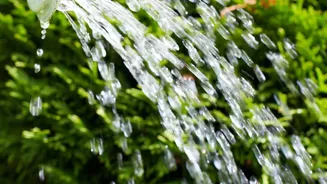
For years, the default method for watering a plant was simple: pour water on top of the soil until it runs out the bottom. This mimics natural rainfall and is quick and easy. However, with the rise of indoor plant communities, a different technique gained
massive popularity: bottom watering. This involves placing the plant in a tray of water and allowing the soil to soak up moisture from the base through its drainage holes. Fans of this method praise its ability to ensure even moisture, prevent water from sitting on sensitive leaves, and encourage strong, deep root growth as the roots reach down for moisture. It also helps keep the top layer of soil dry, which can discourage pests like fungus gnats that love moist surfaces.
Why Top Watering Got a Bad Rap
So, why did so many plant parents move away from the classic top-down approach? Top watering does have potential downsides if done incorrectly. Pouring water too quickly can fail to saturate the soil evenly, creating dry pockets. It can also compact the soil over time, reducing aeration and potentially damaging delicate roots. For certain plants, like African violets with their fuzzy leaves, getting the foliage wet can lead to rot or disease. These valid concerns led many to adopt a bottom-watering-only routine, believing it to be a safer, more effective way to hydrate their plants.
The Most Overlooked Benefit of Top Watering
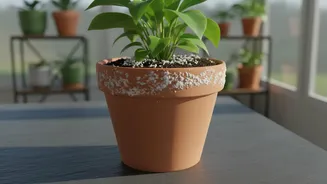
Here's the crucial detail that gets lost in the debate: top watering does something that bottom watering cannot. It flushes the soil. Over time, minerals from tap water and salts from fertilizers accumulate in the potting mix. You might see this as a white, crusty residue on the soil's surface or on the outside of terracotta pots. This buildup isn't just unsightly; it can be harmful. High salt concentrations can burn a plant's roots, prevent them from absorbing water properly, and lead to yellowing leaves, stunted growth, and wilting. Bottom watering, because it pulls water up, leaves these accumulated salts in the pot. Only a thorough top watering can wash these excess minerals down and out through the drainage holes, a process known as leaching.
When Your Plants Need a Top-Down Drink
A balanced approach is often the best strategy for plant care. While you might primarily bottom water, you should incorporate occasional top watering to maintain soil health. Experts recommend flushing the soil every few waterings or at least every few months. This is especially important if you use tap water or fertilize regularly. Top watering is also the only practical option for very large, heavy plants that can't be easily moved to a sink or tub. Additionally, it's useful for rehydrating soil that has become hydrophobic (water-repellent) after being allowed to dry out completely. A good drench from the top helps ensure the entire root ball gets moist.
How to Top Water the Right Way
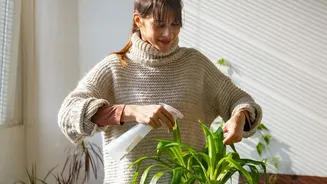
To get the full flushing benefit without the drawbacks, follow a few simple steps. First, take your plant to a sink, bathtub, or outside where it can drain freely. If you see a crust of salt on the soil surface, gently scrape it off first. Then, slowly pour lukewarm water over the entire surface of the soil, trying to avoid splashing the leaves. Continue watering until it flows freely from the drainage holes. Wait a few minutes and then repeat the process once or twice more. This double-drench method ensures that the first pass dissolves the salts and the subsequent passes wash them away. Let the plant drain completely for at least 30 minutes before returning it to its saucer. Never let the pot sit in the drained-off water, as it will just reabsorb the salts you worked to flush out.