

Beyond the Globalised Gym
For years, the Indian fitness landscape has been dominated by Western imports. The neighbourhood gym, with its familiar treadmills and weight machines, became the default temple of fitness. While yoga found global fame, many of India's other rich physical
traditions were often seen as relics of a bygone era or confined to rural pockets. But the narrative is changing. Younger Indians are now looking for more than just aesthetics; they crave functional strength, mental clarity, and a deeper sense of connection. This search for authenticity is leading them to the akhadas, kalaris, and training grounds where warriors and wrestlers have honed their bodies and minds for centuries. Practices like Kalaripayattu, Mallakhamb, and the regimen of the akhada are stepping out of the history books and into the fitness routines of a new generation.
The Old, Reimagined for the New
This isn't just about reviving old practices; it's about reinventing them for a digital-native audience. The modern revival is being spearheaded by a new wave of trainers and fitness entrepreneurs who understand Gen Z's language. They are taking the core principles of these ancient arts and packaging them into formats that fit a contemporary lifestyle. Think hybrid gyms that feature a traditional mud pit alongside modern flooring, or online platforms offering virtual Akhada-inspired workouts. Influencers on Instagram and YouTube break down complex Kalaripayattu movements into accessible tutorials, while Mallakhamb is being framed as a form of artistic pole fitness, tapping into a popular global trend. This fusion makes the disciplines less intimidating and allows young people to experience their cultural heritage without stepping away from the digital world they inhabit.
Mallakhamb: The Art of Pole Gymnastics
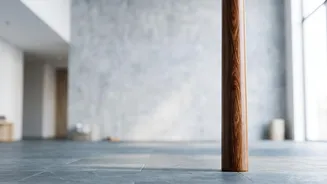
Once a training method for wrestlers, Mallakhamb, which translates to 'wrestler's pole,' is experiencing a remarkable resurgence. This visually stunning discipline involves performing complex yoga-like postures and gymnastic feats on a vertical wooden pole or rope. Its modern appeal lies in its ability to deliver a full-body workout that builds immense core strength, flexibility, and balance—all key goals in functional fitness. Fitness academies now offer Mallakhamb classes that position it as a powerful and graceful alternative to conventional strength training. By focusing on bodyweight mastery and artistic expression, it resonates with a generation tired of repetitive gym routines and looking for a workout that is both a challenge and a performance.
Kalaripayattu: The Way of the Warrior
Often called 'the mother of all martial arts,' Kalaripayattu from Kerala is far more than a system of self-defence. It is a holistic discipline that integrates flowing movements inspired by animals, breath control, meditation, and even traditional healing practices. Its appeal to Gen Z is its completeness; it trains the mind as much as the body, offering a path to discipline, resilience, and self-awareness. This ancient art is now more accessible than ever, with studios and gurus offering online classes, workshops, and even intensive residential programmes. Specialised workshops also focus on empowering women with practical self-defence techniques derived from the art, addressing a critical modern-day need. Kalaripayattu provides a deep, structured practice that contrasts sharply with the often fleeting nature of social media fitness fads.
Why Now? A Search for Deeper Roots
The turn towards traditional fitness is more than a trend; it's a reflection of a deeper cultural shift. For a generation navigating a hyper-globalised world, these practices offer a tangible link to their heritage. Fitness has become a cornerstone of identity for young Indians, and choosing a workout rooted in one's own culture is a powerful statement. This movement is also a reaction against the one-size-fits-all approach of the global fitness industry. Traditional Indian systems have always viewed health holistically, integrating mind, body, and spirit—a concept that resonates strongly with Gen Z's prioritisation of mental well-being alongside physical health. They offer a form of wellness that feels both authentic and profoundly personal.