




What Exactly Is a Micro-Cuisine?
For decades, the restaurant world has relied on broad, sweeping categories. We go out for 'South Indian' food, which could mean anything from a fluffy appam from Kerala to a spicy Chettinad curry from Tamil Nadu. Micro-cuisines are the antidote to this
generalisation. The trend focuses on the food of a very specific place, community, or even a particular historical tradition. Think of it as culinary zooming-in: instead of just 'Italian', it’s 'coastal Sicilian'. Instead of 'Maharashtrian', it’s the food specific to the Pathare Prabhu community of Mumbai or the fiery flavours of Kolhapur. This is about celebrating the nuances that get lost when we lump diverse culinary traditions under one big umbrella. It's a move from the national to the hyper-local, offering diners a plate that tells a very specific story.
The Driving Force: A Hunger for Authenticity
So, why is this happening now? Several factors are converging to create a perfect storm for micro-cuisines. Firstly, there’s a growing appetite for authenticity. Modern diners, especially younger generations, are increasingly wary of 'fusion' dishes that feel gimmicky. They crave genuine experiences and stories. Social media plays a huge role; Instagram and YouTube are flooded with travel bloggers and food creators who venture into small towns and villages, showcasing dishes most of us have never heard of. This digital exposure creates a real-world demand. Furthermore, as travel becomes more accessible, people return from trips wanting to taste the specific flavours they discovered, not a watered-down version. In a globalised world, there is a powerful counter-movement towards celebrating unique, local identities, and food is one of the most delicious ways to do that.
India’s Culinary Map, Redrawn
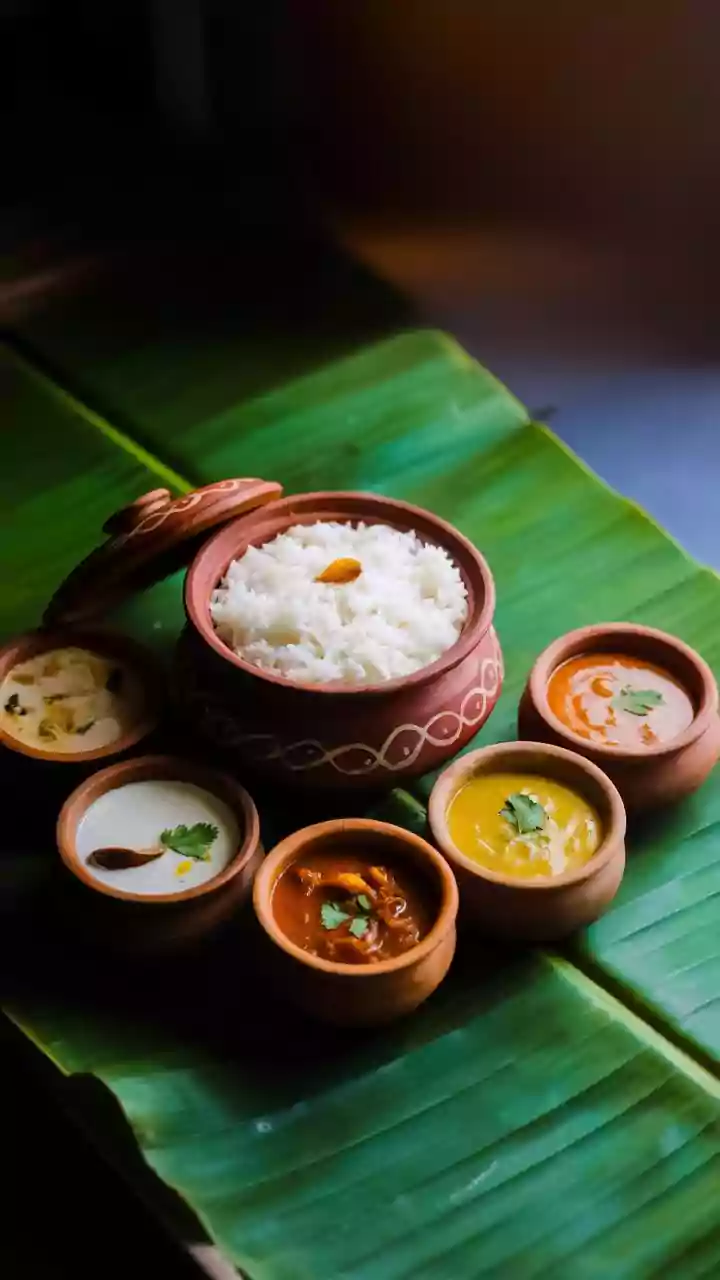
India, with its staggering diversity, is a perfect canvas for the micro-cuisine trend. We are finally seeing restaurants move beyond the standard butter chicken and dosa paradigm. In cities like Mumbai, Delhi, and Bengaluru, culinary entrepreneurs are launching eateries dedicated to once-niche food traditions. You can find restaurants championing the rich, meat-heavy Kayastha cuisine from Uttar Pradesh, the subtle and fragrant Bengali food that goes far beyond fish curry, or the rustic, millet-based dishes of Kathiawar in Gujarat. Pop-ups and home chefs are also leading the charge, offering everything from Bohri thaals to the unique flavours of the Naga kitchen. This isn't just about new restaurants; it's about a cultural reawakening, where communities feel proud to share the food from their grandmothers' kitchens with a wider audience.
The Chef as a Cultural Storyteller
This trend also redefines the role of the chef. They are no longer just cooks; they are becoming culinary historians and cultural ambassadors. A chef championing a micro-cuisine is often sharing a piece of their own heritage. The menu becomes a narrative, with each dish explaining a piece of history, a local festival, or a family tradition. This approach creates a much deeper connection between the diner and their food. You’re not just eating a curry; you’re learning about the trade routes that brought certain spices to a region or the agricultural practices that shaped a particular dish. This storytelling element elevates the dining experience from a simple meal to an immersive cultural lesson, making it more memorable and meaningful. For chefs, it’s a chance to preserve and innovate within a tradition they hold dear, ensuring it doesn't get lost in a sea of culinary sameness.