

The 'Use-First' Philosophy
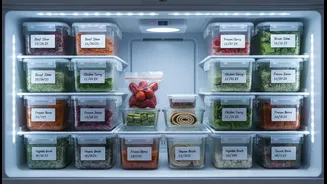
The core idea is simple yet revolutionary for the home kitchen. A 'use-first' box is a designated, highly visible space in your refrigerator for produce that needs to be eaten soon. This isn't about complex rules; it's about creating a visual cue. Think
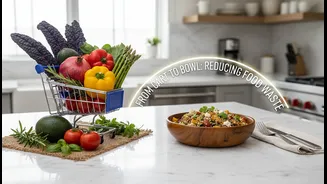
of it as a priority inbox for your food. By placing items that are most perishable or already opened into this one spot, you eliminate the daily guesswork. Instead of wondering what to cook, a quick glance at the box tells you exactly what ingredients should be the star of your next meal, a concept embraced by restaurants using the 'First In, First Out' (FIFO) method. This simple habit shifts your meal planning from being desire-led to being resource-led, dramatically cutting down on waste.
The Crucial Post-Shopping Sort
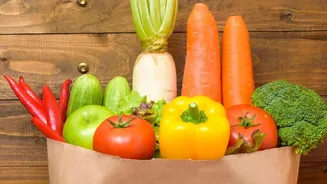
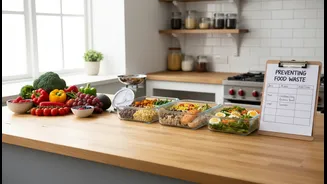
The success of your use-first system depends entirely on what you do the moment you get home from the market. Don't just unload groceries into the fridge. Instead, perform a quick 'triage'. This 15-minute ritual involves sorting your new purchases. Examine everything. Which items are delicate and have a short shelf life? Which are sturdy and can last for weeks? This is where you make the "clear choices" about your produce. Sort items into two main groups: those that need immediate attention and those that can wait. This initial sort prevents delicate herbs from getting lost behind a hardy cabbage and ensures everything has a proper place from day one.
What Goes in the Box?
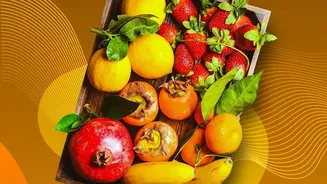
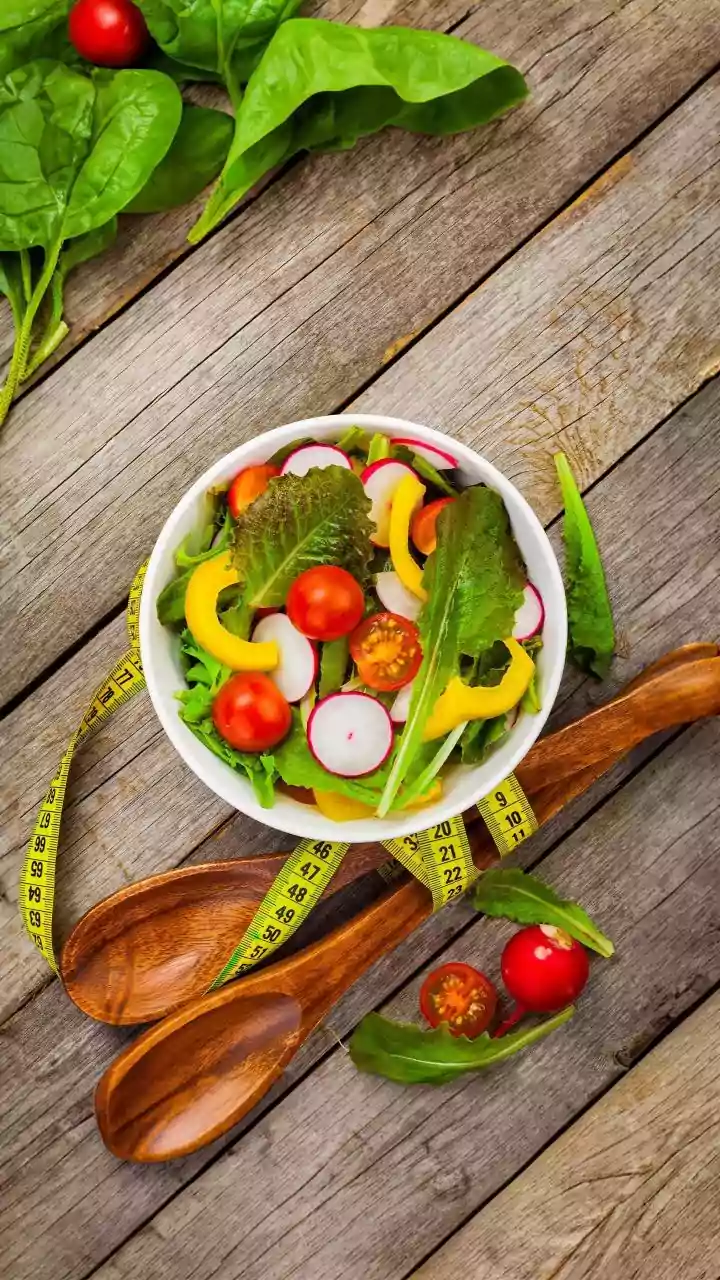
Your use-first box should be the home for several categories of produce. First, anything that is inherently delicate. This includes most leafy greens like spinach, coriander, and methi, as well as fresh herbs which wilt quickly. Second, opened packs and half-used vegetables are prime candidates. That half of a capsicum, the sliced onion, or the remaining florets of broccoli should go directly into the box. Third, add any produce that is approaching its peak and might not look as fresh in another day or two. Soft fruits like berries and ripe mangoes also belong here. By consolidating these items, they stay top-of-mind instead of becoming a forgotten science experiment in the back of your crisper drawer.
A Note on Washing and Storage
A common point of confusion is whether to wash produce before storing. The general rule is to avoid washing until you are ready to use it, as excess moisture is a primary cause of spoilage and mould. There are exceptions, of course. If you plan to use leafy greens within a day or two, you can wash, thoroughly dry them (a salad spinner is excellent for this), and store them wrapped in a paper towel inside a sealed bag or container. For heartier Indian greens like spinach or methi, some find wrapping them in a damp muslin cloth helps them stay fresh for a few days in the fridge. However, for most items, especially berries and mushrooms, keeping them dry is essential for longevity.
Managing Your 'Long-Haul' Produce
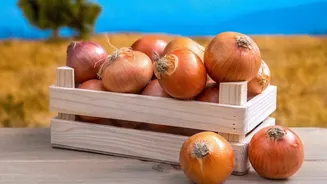
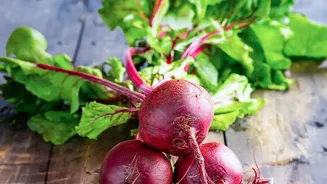
While the use-first box handles the immediate priorities, the rest of your produce needs proper storage too. These are your 'long-haul' items that form the backbone of your pantry. Root vegetables like potatoes, onions, and garlic should be stored in a cool, dark, and dry place—not the refrigerator. Keep potatoes and onions separate, as onions release gases that can cause potatoes to sprout. Hardier vegetables such as carrots, beets, cabbage, and gourds have a longer lifespan in the fridge, but they should still be stored correctly, often in the crisper drawer which helps maintain humidity. Keeping these separate from your use-first items ensures you aren't overwhelmed and can clearly see what needs to be cooked now versus what can wait.
Making It a Daily Habit
A system is only as good as its implementation. The final, and most important, step is to make checking the use-first box a non-negotiable part of your daily cooking routine. Before you decide on dinner, open the fridge and look at the box. Let its contents guide your menu. This practice, sometimes called reverse meal planning, involves building meals around what you have, not chasing recipes that require a new shopping trip. It feels restrictive at first, but it quickly becomes a creative challenge that saves money and instills a deep sense of satisfaction. It’s the ultimate way to respect the food you buy and the resources that went into growing it.