






The Science of Discomfort at 30,000 Feet
Travel, especially by air, puts your body under unique stress. The change in cabin pressure causes the gas in your stomach and intestines to expand. This phenomenon, governed by a principle known as Boyle's Law, means that even a normal amount of gas in your gut
can increase in volume, leading to that tight, bloated feeling often called 'jet belly'. When you add a large, heavy meal to the mix, you're giving your body more to digest in an environment where it's already working differently. Digestion naturally slows down when you're sedentary for long periods, and the lower oxygen levels in a plane cabin can further reduce the efficiency of your digestive enzymes. The result is a system struggling to process a big meal, leading to discomfort, gas, and a general feeling of lethargy just when you want to feel relaxed.
The Worst Foods to Eat Before You Travel
While temptation is everywhere, certain foods are notorious for causing trouble during transit. Greasy and fried foods, like samosas, burgers, or chole bhature, are difficult to digest and can leave you feeling heavy and sluggish. Excessively spicy meals can trigger heartburn and acidity, which is the last thing you want while confined to a seat. Carbonated drinks, including sodas and sparkling water, introduce extra gas into your system, compounding the effects of cabin pressure. High-fibre foods that are normally healthy, such as beans, broccoli, and some raw vegetables, can also produce excess gas, making them a poor choice right before a long trip. Similarly, very salty snacks can lead to dehydration and bloating. It's also wise to be cautious with dairy products, which can feel heavy and are slow to digest for many people.
Smart Swaps for a Smoother Journey
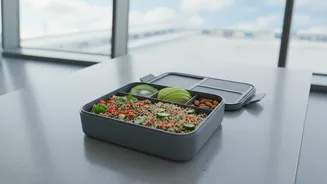
The key to comfortable pre-travel dining is to eat light, balanced, and easy-to-digest meals. Opt for lean proteins like grilled chicken or fish, which provide sustained energy without weighing you down. A sandwich with chicken or turkey on whole-grain bread is a great choice. Complex carbohydrates such as oatmeal or a quinoa bowl offer slow-release energy, but it's best to have them a few hours before you settle in for the long haul. Packing your own snacks is also a brilliant strategy. A handful of unsalted nuts, a piece of fruit like a banana or an orange, or a simple yogurt can be perfect for staving off hunger without causing digestive distress. These options are not only gut-friendly but also help maintain steady energy levels, avoiding the crashes associated with sugary snacks.
Don't Forget to Hydrate
Hydration is just as important as your food choices. The air inside a plane cabin is extremely dry, which can quickly lead to dehydration, causing fatigue and headaches. It's crucial to drink plenty of water before and during your transit. Carry an empty reusable water bottle to fill up after you pass through security. While it may be tempting to rely on caffeine for a boost, coffee and some teas can act as diuretics, increasing fluid loss and potentially irritating your bladder. Alcohol has a similar dehydrating effect. Sugary drinks and juices can cause energy spikes followed by crashes. Your best bet is always plain water, sipped consistently throughout your journey to keep your body balanced and comfortable.
Timing Is Everything
Beyond what you eat, when you eat makes a significant difference. Rushing a large meal just before boarding is a common mistake. This floods your system right as it's about to become sedentary and stressed. Ideally, aim to have your main meal two to three hours before your departure. This gives your digestive system ample time to begin its work before you're sitting for a prolonged period. If you get hungry closer to your departure time, a light snack like fruit or a small handful of nuts is a much better option than another full meal. This simple bit of planning prevents your body from having to deal with the dual challenges of digestion and travel stress simultaneously.