





The Deluge Arrives
After a significant delay and one of the driest starts to June in recent memory, the southwest monsoon officially made its presence felt in Mumbai on Tuesday, June 23, 2026. The India Meteorological Department (IMD) confirmed the onset, immediately issuing
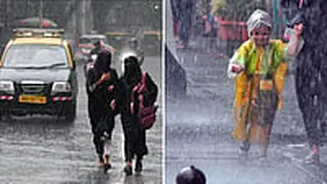
an orange alert for the city and its neighbouring districts, warning of intense rainfall, thunderstorms, and gusty winds. The arrival was dramatic, with heavy overnight downpours on June 23 and 24, delivering a substantial percentage of the month's average rainfall in just 24 hours. Parts of the city recorded staggering amounts of rain, with Malvani in the western suburbs receiving around 340 mm and Parel getting nearly 334 mm, signaling an intense start to the season.
The Gridlock Games
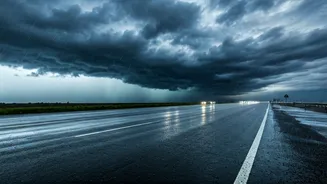
True to form, the first heavy showers instantly translated into chaos on the roads. Major thoroughfares like the Eastern Express Highway saw vehicles moving cautiously amid poor visibility and water accumulation. The morning rush hour on Wednesday, June 24, was a testament to the monsoon's power to disrupt, with commuters facing slow-moving traffic and significant congestion on key roads. The Brihanmumbai Electric Supply and Transport (BEST) had to divert buses on more than 24 routes due to the deluge. Even the city's lifeline, the suburban railway network, felt the impact. Services on the Central Railway were delayed due to water on the tracks, leading to overcrowded trains. A track cave-in between Turbhe and Koparkhairane further disrupted services on the Trans-Harbour line, stranding countless commuters.
Navigating the Urban Lakes
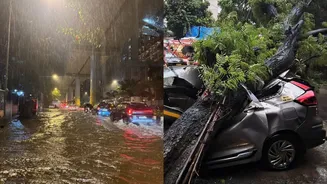
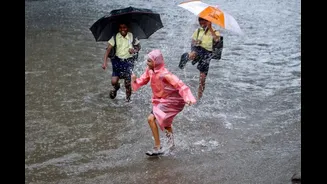
The term 'puddles' hardly does justice to the waterlogging seen across the city. Perennial problem spots like the Andheri subway were quickly inundated and had to be shut down for public movement, a recurring scene that raises annual questions about civic preparedness. Other low-lying areas, including Hindmata, King's Circle, Matunga, and Kurla, also reported significant water accumulation, turning streets into temporary canals. The downpour's intensity exposed the limitations of the city's drainage infrastructure, with some areas receiving over 300 mm of rain in a 24-hour period. In response, the Brihanmumbai Municipal Corporation (BMC) stated it had deployed over 7,000 personnel and activated numerous dewatering pumps across the city's identified flood-prone spots to manage the situation.
A Test of Patience and Spirit
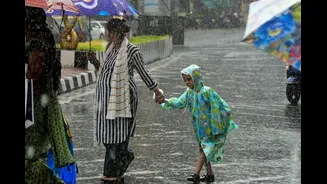
Beyond the infrastructural challenges lies the human story of the Mumbai monsoon—a narrative of resilience and adjustment. The headline's third element, 'patience', is perhaps the most critical survival tool for Mumbaikars. It's the silent acceptance of a two-hour journey that normally takes 30 minutes. It's the camaraderie seen when strangers help push a stalled car or offer shelter from a sudden downpour. It is also a period of immense anxiety, as the rains that bring life also disrupt it profoundly, flooding homes in areas like Malad and Nalasopara. The season becomes a city-wide exercise in collective coping, where the infamous 'spirit of Mumbai' is tested daily against overflowing drains and delayed trains. This spirit, however, coexists with sharp criticism of civic authorities, as citizens and opposition leaders question whether enough has been done to mitigate the predictable chaos.