

Seeing the Universe in a New Light
The key to Webb's power is its specialization in observing infrared light. Unlike visible light, which our eyes can see, infrared is a longer wavelength of light that we perceive as heat. While the Hubble Space Telescope primarily observes in visible and
ultraviolet light, Webb was designed from the ground up to be the world's premier infrared observatory in space. This focus is not arbitrary; it's the essential ingredient for two of its primary missions: peering through cosmic dust and looking back in time to the universe's infancy.
The Challenge of Cosmic Redshift
To see ancient galaxies, you have to look at objects that are incredibly far away. Because it takes time for light to travel across the vastness of space, looking at a galaxy 13 billion light-years away is like seeing it as it was 13 billion years ago. However, a cosmic phenomenon complicates this: the expansion of the universe. Since the Big Bang, space itself has been expanding, and this expansion stretches the light waves traveling through it. Light that was emitted from the very first stars and galaxies as visible or ultraviolet light has been stretched so much on its journey to us that it now arrives as infrared light. This stretching effect is known as "cosmological redshift." Without powerful infrared vision, these first glimmers of cosmic dawn would be completely invisible to us.
Webb’s Technological Edge
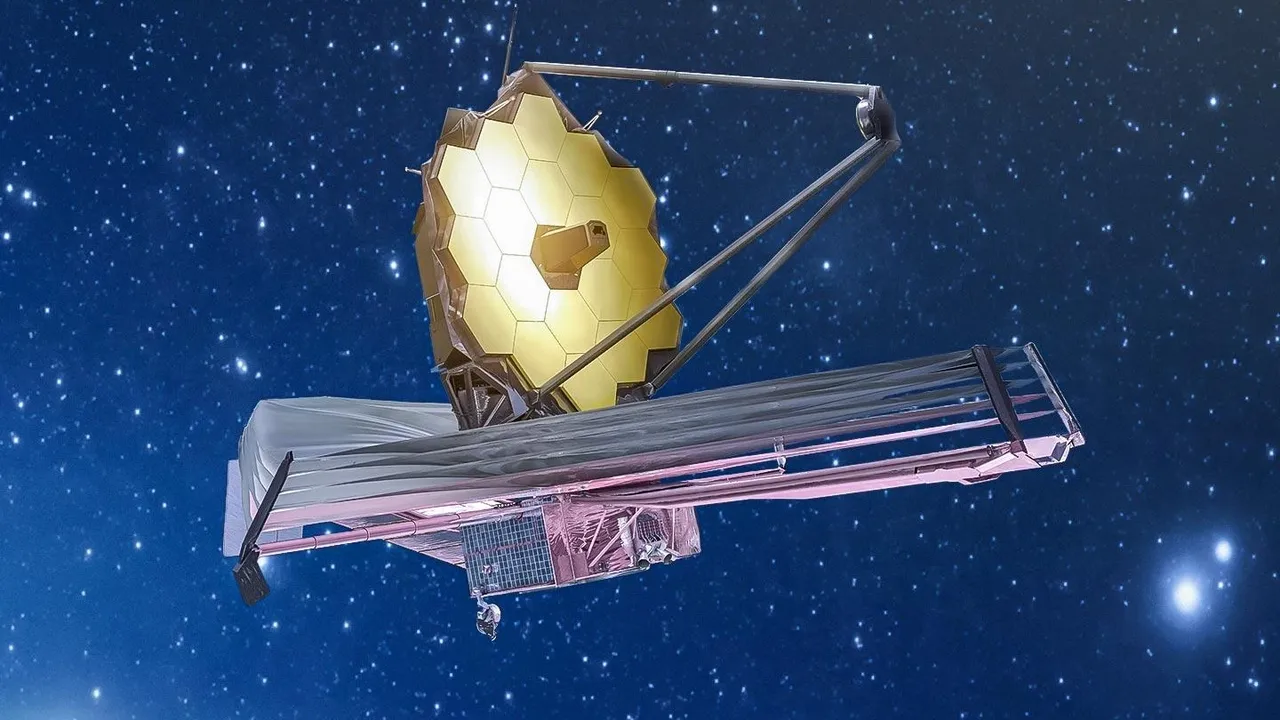
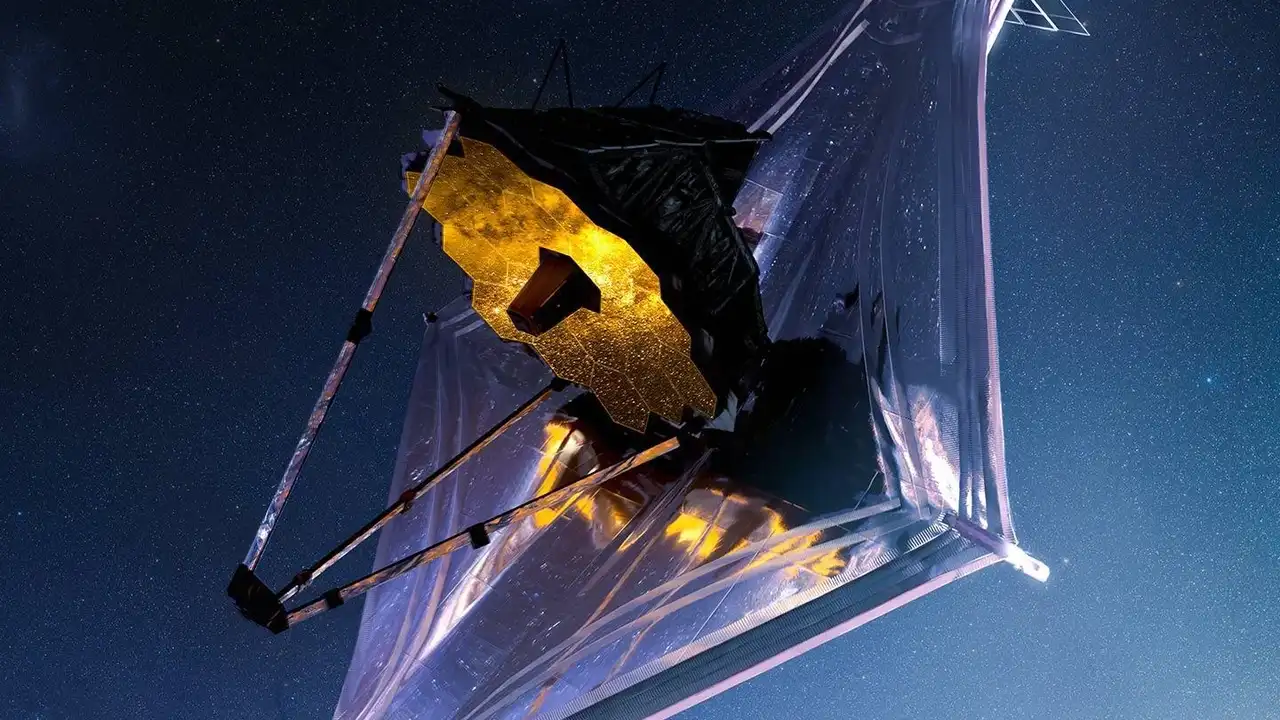
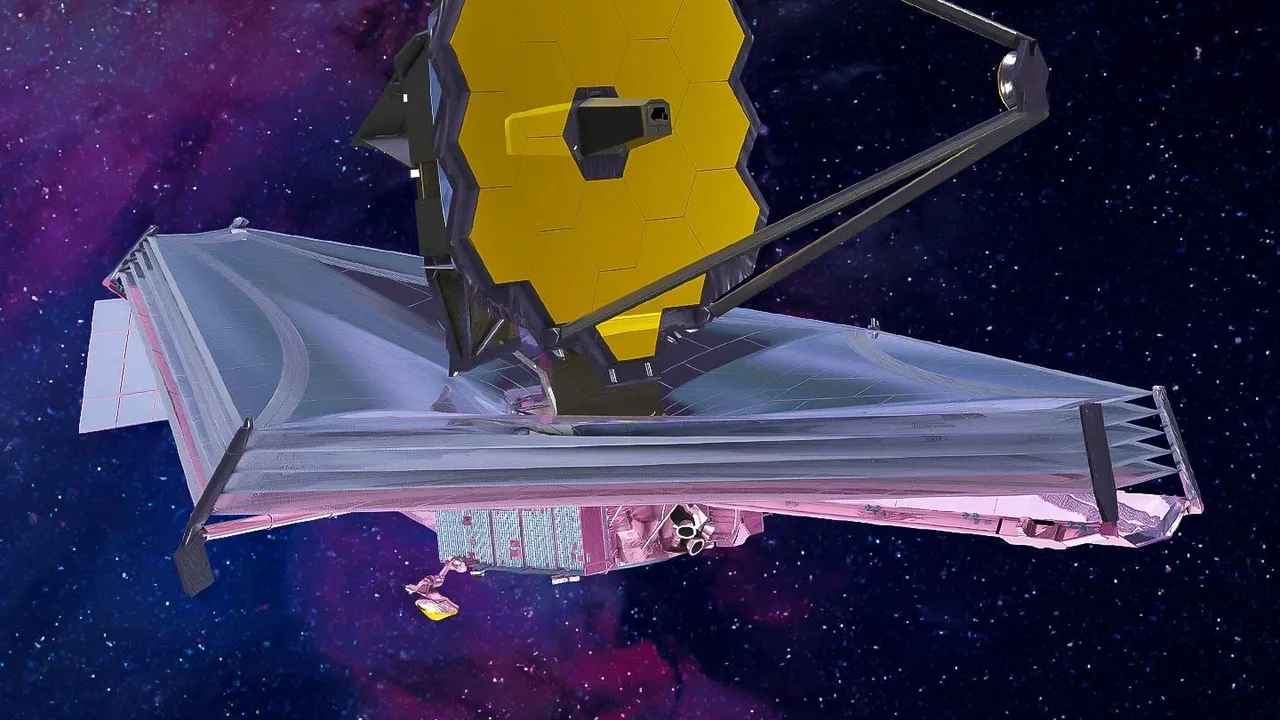
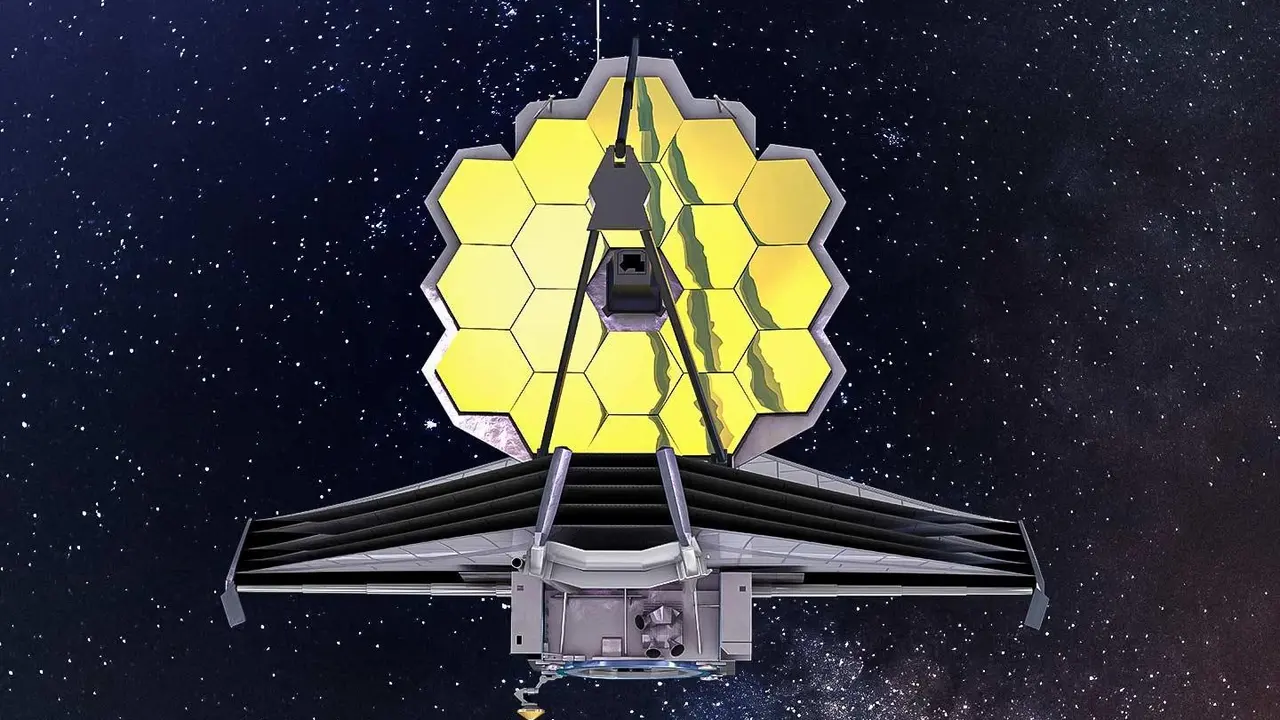
Webb's ability to capture this faint, ancient light is a marvel of engineering. Its primary mirror is 6.5 meters in diameter, giving it over six times the light-collecting area of Hubble's mirror. This massive size is crucial for gathering enough of the faint, redshifted light from the edge of the observable universe. Furthermore, to detect these faint infrared signals, the telescope itself must be incredibly cold—below -223°C. Any heat from the telescope would emit its own infrared radiation, blinding its sensitive detectors. To achieve this, Webb orbits the sun 1.5 million kilometers from Earth, using a five-layer sunshield the size of a tennis court to block heat from the Sun, Earth, and Moon.
Piercing Through Clouds of Dust
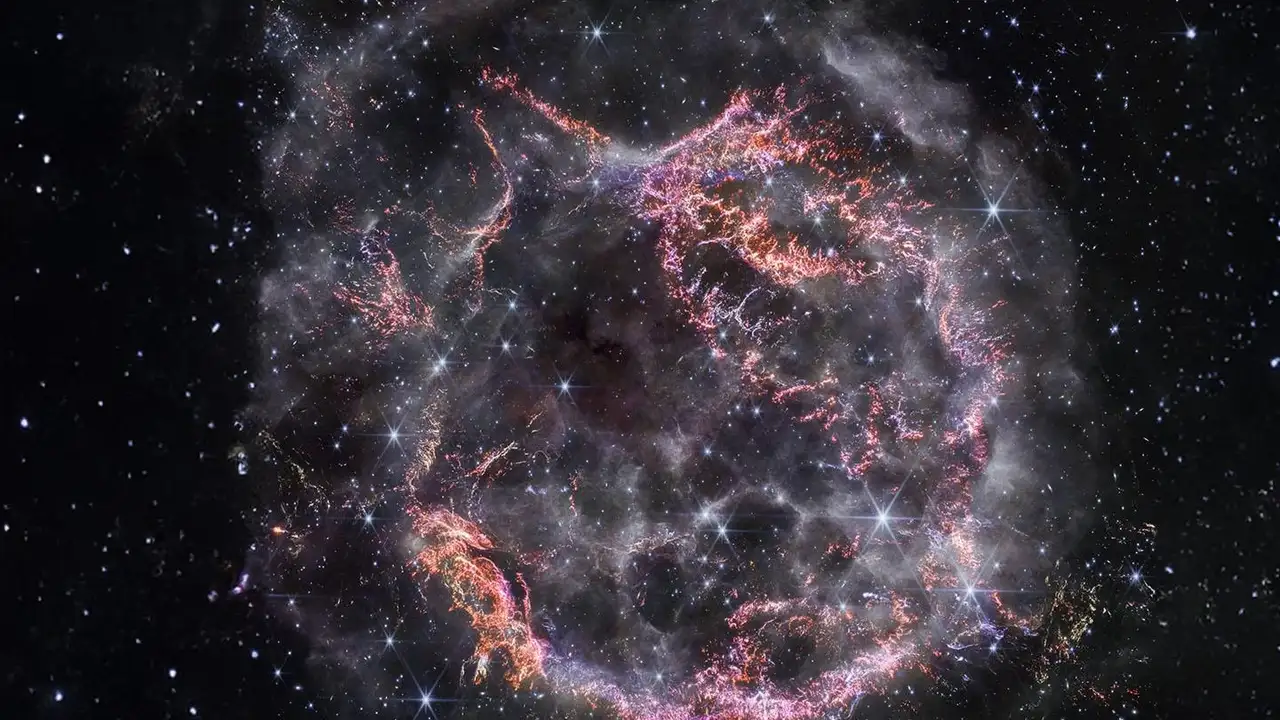
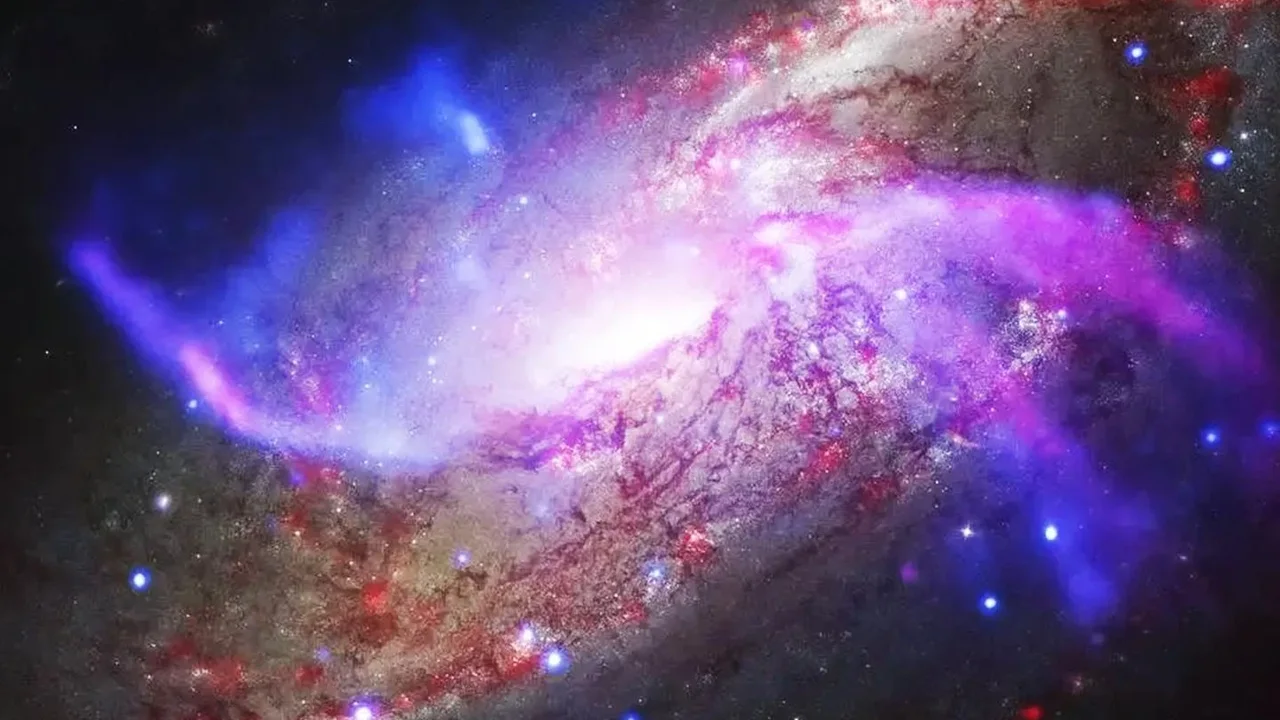
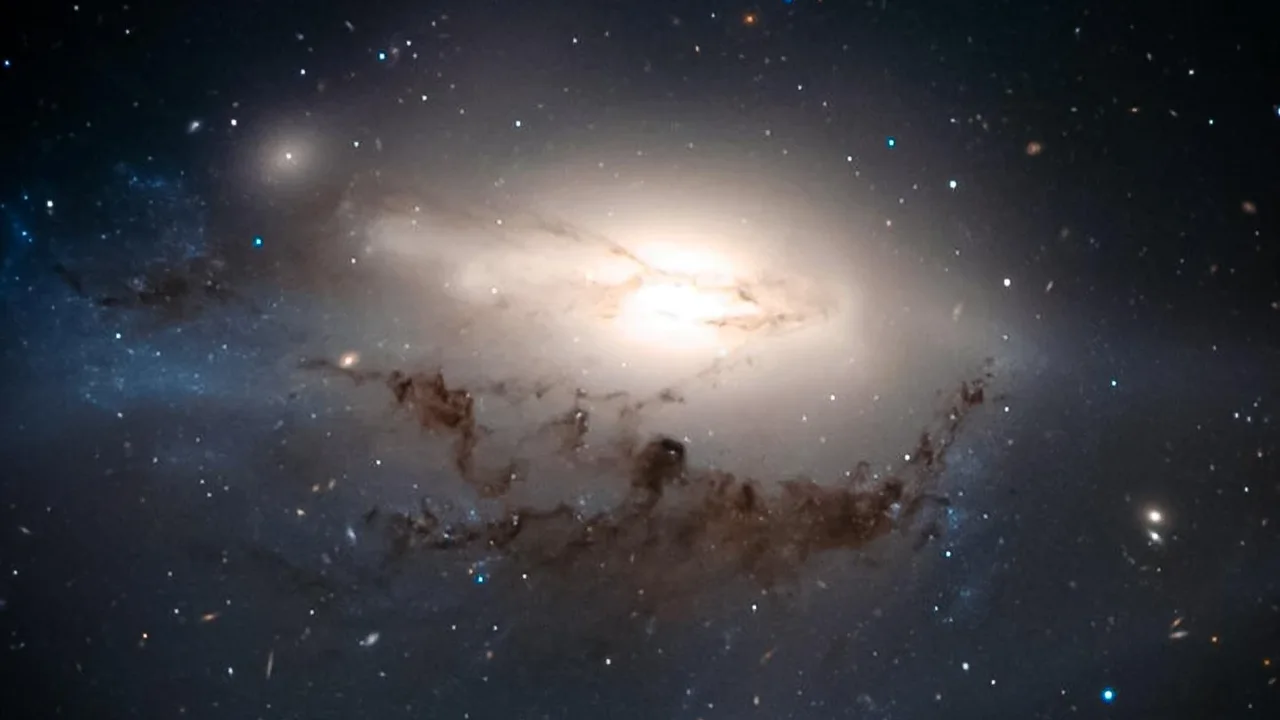
Beyond seeing back in time, infrared light has another major advantage: it can penetrate through the dense clouds of cosmic gas and dust that are opaque to visible light. These clouds are stellar nurseries, where new stars and planetary systems are born. Hubble's visible-light images often show these regions as dark silhouettes. Webb's infrared instruments, like the Near-Infrared Camera (NIRCam) and Mid-Infrared Instrument (MIRI), can peer inside these dusty cocoons, revealing the processes of star and planet formation in unprecedented detail. This allows astronomers to study not only the first galaxies but also the birth of stars happening across the cosmos today.
A New Era of Discovery
By combining a massive mirror, a suite of highly sensitive infrared instruments, and an extremely cold operating environment, the JWST has capabilities no previous observatory could match. It isn’t a replacement for Hubble, but a scientific successor designed to answer questions Hubble's discoveries raised. While Hubble showed us the grand structure of nearby, mature galaxies, Webb is built to find their faint, distant ancestors. Scientists are already using Webb to spectroscopically confirm galaxies that existed just 650 million years after the Big Bang, pushing into an era of cosmic history that was previously out of reach. This unmatched power allows us to piece together the full story of how the universe evolved from its simple beginnings to the rich, complex cosmos we see today.