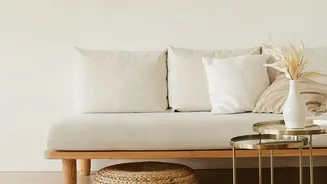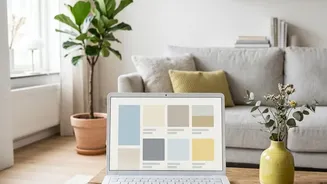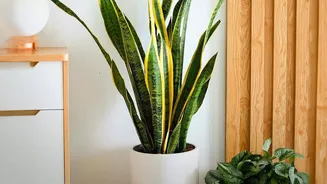


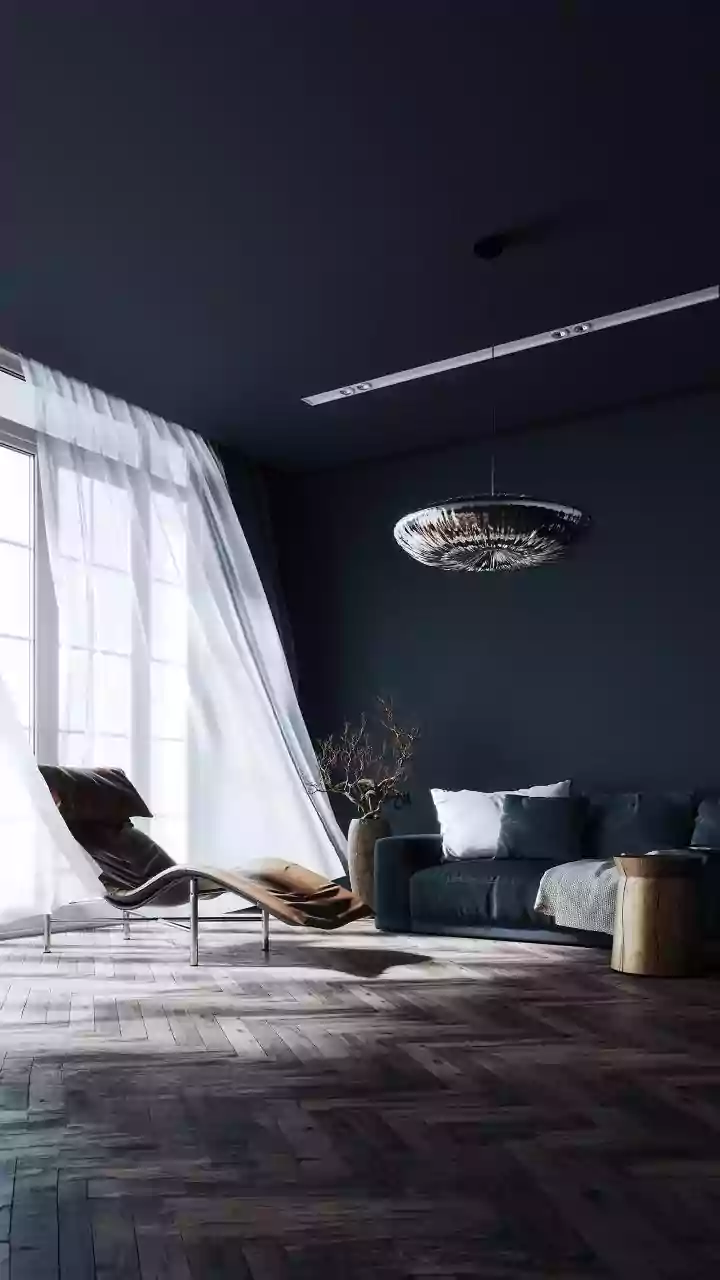

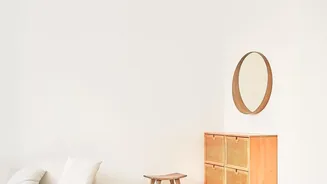
For years, minimalist white walls were the peak of modern design. But many are finding that 'clean and simple' can feel cold and impersonal. Now, a shift towards warm, earthy neutrals is redefining what makes a house feel like a home.
The Psychology of Comforting Color
There's a reason
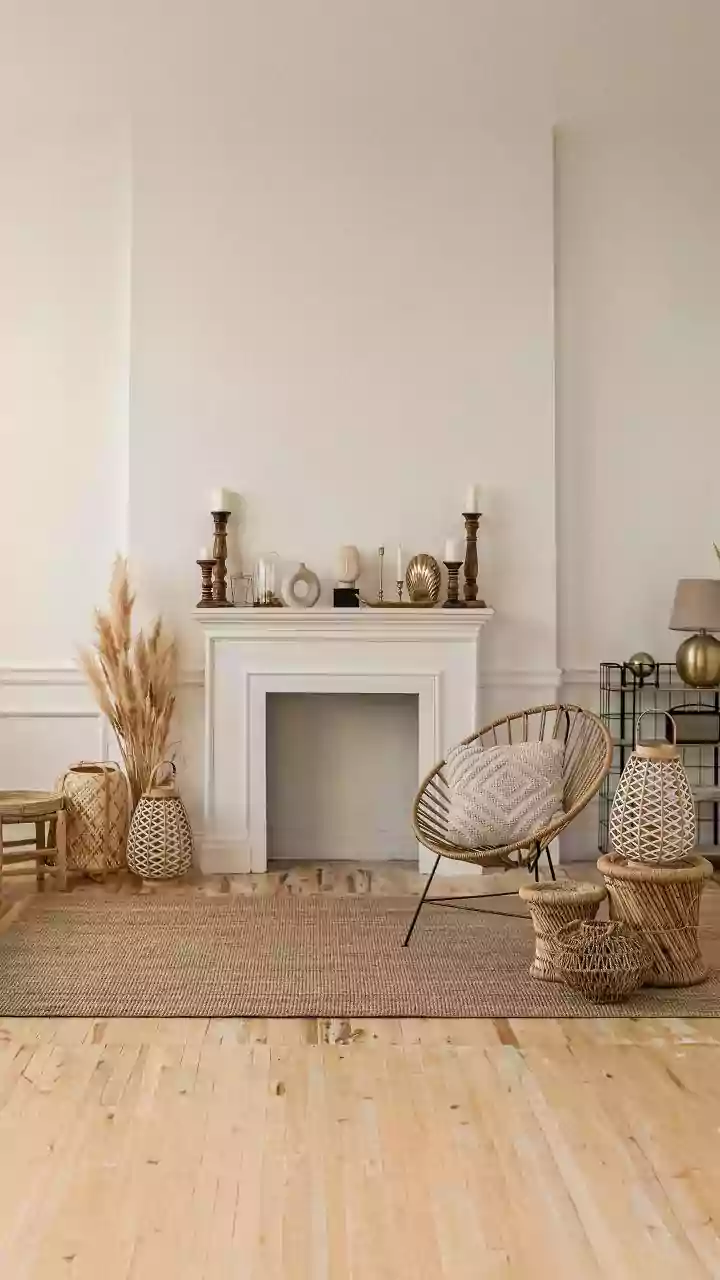
why shades of terracotta, beige, sand, and olive green make us feel at ease: they're deeply connected to the natural world. This concept, known as biophilic design, suggests that humans have an innate need to connect with nature. Colors that mimic the earth, stone, and plants tap into this, evoking feelings of safety, stability, and calm. While stark white can feel clinical and sterile, these earthy tones are psychologically grounding. Studies even suggest that such color schemes can help lower stress levels and reduce anxiety, making a space feel like a true sanctuary.
Beyond the Paint: Embracing Natural Textures
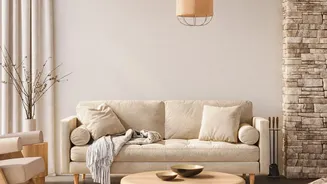
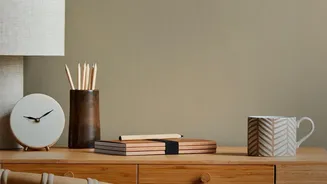
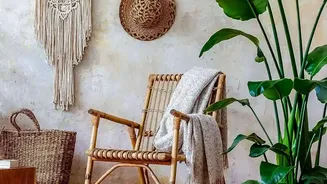
Creating a warm, inviting atmosphere isn't just about the color on your walls. Texture plays a crucial role in preventing a neutral space from feeling flat. Designers recommend layering natural materials to enhance the earthy palette. Think of wooden furniture in oak or walnut, woven rattan lighting fixtures, and stone accent pieces. For soft furnishings, materials like linen, wool, cotton, and jute add a tactile quality that feels inherently comforting and organic. Mixing these textures—a nubby wool throw on a smooth leather sofa, or linen curtains against a plaster-finish wall—creates a rich, layered look that is visually interesting and deeply inviting.
Your Earthy Palette Starter Kit
Jumping into earthy tones doesn't mean you have to paint your entire living room a deep brown. The new neutrals for 2026 are nuanced and sophisticated. Start with a base of warm, soft off-whites instead of a harsh, blue-toned white. Brands are championing shades like creamy beige, warm taupe, and muted greens. For accents, consider sun-baked terracotta, rich ochre, or a gentle olive green. These shades work beautifully together. A popular strategy is to use a lighter warm neutral on the walls and introduce a deeper color, like a warm brown or sage green, through furniture, an accent wall, or decorative pieces like ceramic vases and cushions.
Making It Work in Any Space
The versatility of an earthy palette is one of its greatest strengths. In a living room, combining warm earth tones like a clay-rose rug with sage green walls can encourage conversation and relaxation. In bedrooms, muted greens and blues that mimic moss and sea-mist create a restful refuge, especially when paired with natural wood and linen. Even kitchens and bathrooms are moving away from the all-white era. Warm wood cabinetry is making a major comeback, often paired with countertops in warmer stone finishes and backsplashes in terracotta or beige tones to create a space that feels both functional and restorative.
The Art of Layering and Light
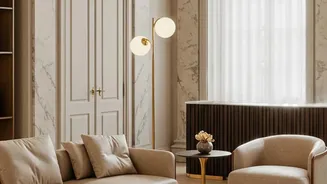
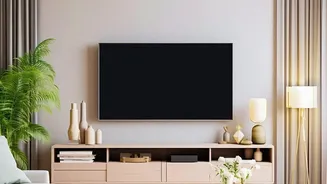
A common mistake with minimalist or neutral design is creating a space that looks flat. The key to a dynamic, warm interior is layering. This applies to textures, colors, and especially lighting. Avoid a single, harsh overhead light, which can make any color feel sterile. Instead, layer your lighting with floor lamps, table lamps, and sconces to create pools of warm light. This mimics the gentle, shifting light found in nature. Art and decor also play a vital role. Abstract art with warm tones, wooden bowls, and terracotta pots can add personality and break up the uniformity of a neutral wall, making the space feel curated and personal.