







Why It's 'Caution Season'
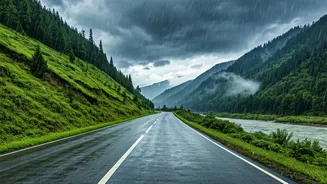
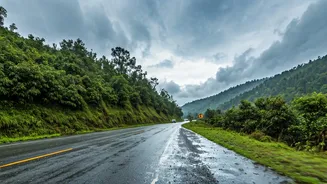
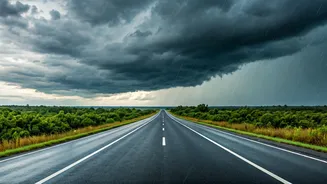
The period from roughly June to September marks the arrival of the southwest monsoon in Northeast India. This isn't a gentle drizzle; it's a season of intense, often torrential rainfall that transforms the landscape. While the rain brings the mountains
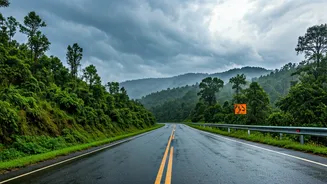
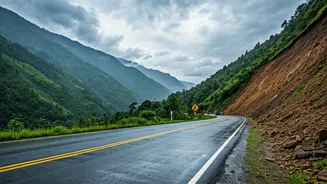
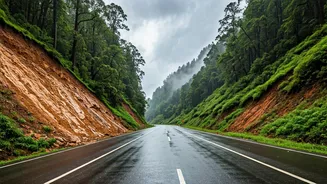
to life, making places like Meghalaya and Sikkim incredibly lush, it also saturates the soil on the region's steep slopes. This combination of hilly terrain and heavy downpours is the primary reason for the cautionary advice. It dramatically increases the risk of landslides, flash floods, and severe travel disruptions, turning a dream holiday into a potential logistical nightmare or, worse, a dangerous situation.
Know The Primary Risks
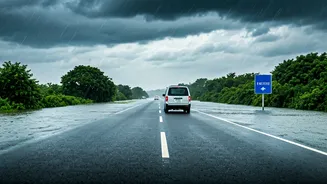
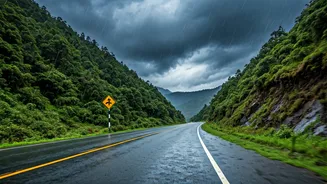
The number one threat during this season is landslides. In late June 2026, continuous rainfall has already triggered multiple road blockages and landslides in states like Arunachal Pradesh and Sikkim. National highways, which are the lifelines of these states, can be blocked for hours or even days by massive walls of mud and debris. Recently, a significant landslide on the Siji River in Arunachal Pradesh created a natural dam, raising fears of downstream flash floods if the blockage gives way. This isn't a rare event; it's a recurring hazard. Travellers can find themselves stranded between blockades with no easy detour. Beyond landslides, overflowing rivers can flood low-lying areas and wash away smaller bridges, completely cutting off communities.
State-Specific Monsoon Alerts
While the entire region is affected, some states are more vulnerable to specific issues. Sikkim and Arunachal Pradesh, with their mountainous topography, are hotspots for landslides. The Arunachal government recently issued a formal travel advisory for NH-13 due to multiple blockages. The India Meteorological Department (IMD) has also flagged a moderate flash flood risk for several districts in Sikkim and Assam for early July 2026. In Assam, the primary concern is often riverine flooding, as the mighty Brahmaputra and its tributaries swell, inundating vast plains. Meghalaya, home to some of the wettest places on Earth, sees its stunning waterfalls reach peak flow but also faces risks of waterlogging and local mudslides.
Your Smart Monsoon Travel Checklist
A trip during this season isn’t impossible, but it demands careful planning over spontaneity. First, build buffer days into your itinerary. A week-long trip with a tight schedule is a recipe for disaster; a 10-day trip with flexibility can better absorb a day or two of delays. Second, stay updated on the weather daily using reliable apps like the IMD's official one. Check the real-time road status with local authorities or your tour operator before starting any journey. Third, pack smart. Waterproofing is non-negotiable for your luggage, electronics, and yourself. Carry essential medicines, a first-aid kit, a power bank, and some non-perishable snacks and water. Finally, consider your transport. For longer distances between states, a flight to a regional airport might be safer and more reliable than a multi-day road journey.
Is It Still Worth Visiting?
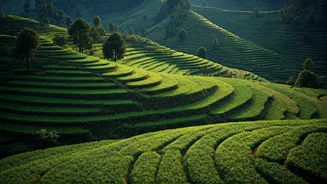
For the well-prepared and cautious traveller, the answer is a qualified yes. The monsoon unveils a side of the Northeast that is otherworldly in its beauty, with fewer tourists and often lower prices for flights and hotels. The sight of Cherrapunji's waterfalls at their most powerful or the mist-covered tea gardens of Assam can be a truly magical experience. However, this is not the trip for adventure-seekers looking to go off-road or those with a rigid schedule. It is for the patient observer who is willing to adapt, perhaps spend a day reading a book while the rain pours, and prioritize safety above all. The key is to travel with a registered, experienced local tour operator who understands the risks and has contingency plans.