




What Exactly Is AI Skin Analysis?
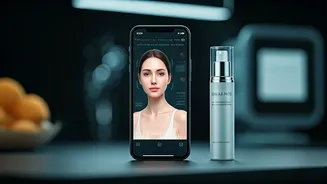
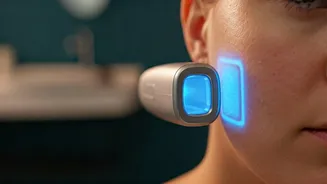
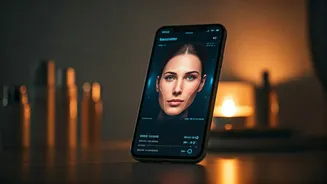
At its core, AI skin analysis is a technology that uses artificial intelligence to assess your skin's condition from a photograph. Think of it as a digital dermatologist's assistant in your pocket. You simply take a selfie, and a powerful algorithm instantly
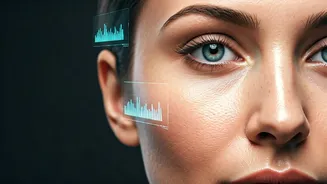
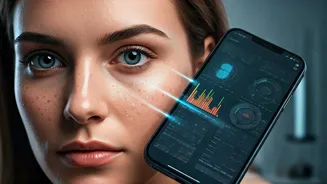
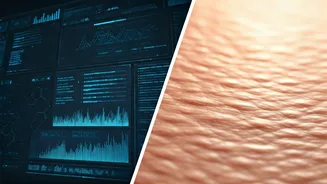
analyses it. The AI is trained on millions of dermatology images, allowing it to recognise visual patterns and evaluate various aspects of your skin’s health, such as texture, pigmentation, fine lines, pore size, and hydration levels. The result is a detailed, data-driven report on your skin's current state, moving beyond what the naked eye can see.
How Does It Work?
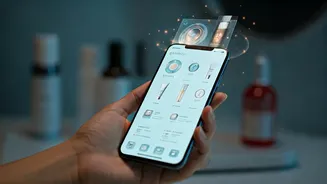
The process is surprisingly simple for the user. It starts with capturing a high-resolution image, usually a selfie taken with your smartphone. Once uploaded to an app or website, the AI gets to work. It uses advanced computer vision to scan the image, identifying and measuring key metrics. These can include concerns like acne, dark spots, redness, and oiliness. The system then compares your data against a massive database to score your skin on different parameters, sometimes even providing a 'skin age'. Based on this comprehensive analysis, the tool generates personalised recommendations for products and skincare routines designed to target your specific issues.
The Promise of Personalised Care
The biggest advantage of AI skin analysis is hyper-personalisation. For years, consumers have relied on broad skin types like 'oily' or 'dry', but AI promises a much more nuanced understanding. Instead of guesswork, you get data-backed suggestions tailored to your unique needs. This technology makes expert-level insights more accessible and convenient, allowing you to get a quick skin assessment from anywhere. Another key benefit is the ability to track your progress over time. By taking regular scans, you can objectively monitor whether a new routine or product is actually working, providing visual and numerical proof of improvements.
Is It Too Good to Be True?
While impressive, the technology has its limitations. The accuracy of the analysis heavily depends on the quality of the photo—lighting and camera angle can significantly alter the results. It's crucial to remember that these tools are for cosmetic screening and education; they are not a substitute for a medical diagnosis from a qualified dermatologist. An AI cannot feel your skin's texture or ask about lifestyle factors that a professional would. Furthermore, data privacy is a growing concern. These apps collect sensitive facial images and personal data, making it important for users to understand how their information is being stored and used. Recent legal cases involving major beauty brands highlight the need for transparency and explicit consent.
The Future of the Beauty Counter
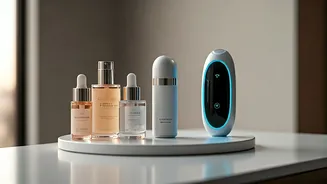
AI skin analysis is more than just a consumer gadget; it's reshaping the entire beauty industry. Brands are using this technology not only for customer-facing tools but also for research and development. By analysing vast amounts of data on skin concerns, companies can predict trends, innovate new ingredients, and develop more effective products for diverse populations. Some platforms in India are already integrating AI analysis with consultations from dermatologists, bridging the gap between technology and professional care. The global AI beauty market is projected to grow significantly, indicating that this blend of tech and cosmetics is here to stay, promising a future of more intelligent and individualised beauty solutions.