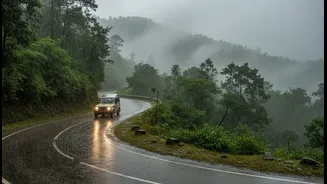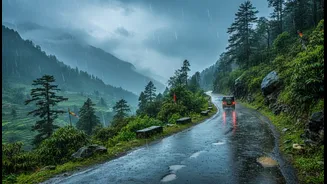




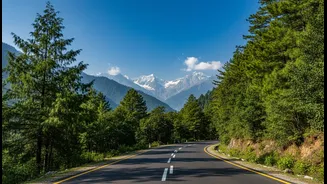


Monsoon’s Fury: A Reality Check
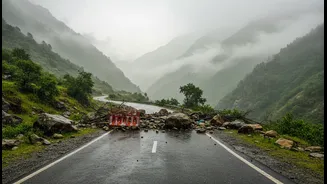
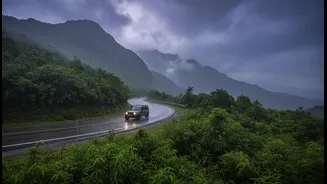
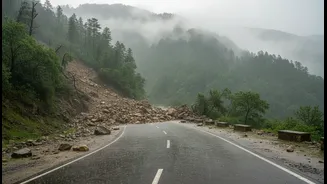
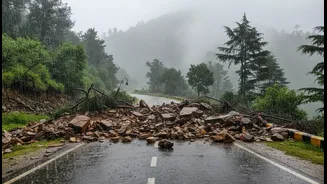
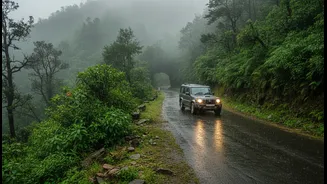
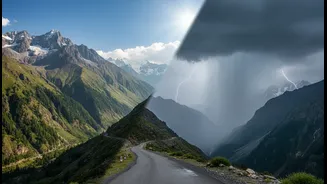
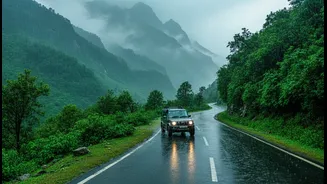
The romance of misty mountains during the monsoon is undeniable, but the reality can be harsh. Recent days have seen the active monsoon trigger flash floods and landslides across Himachal, particularly in districts like Kinnaur, Kullu, Chamba, and Mandi.
As of early July, heavy rains have led to multiple fatalities and caused dozens of roads to close, including parts of the crucial National Highway 5 connecting Kinnaur with Shimla. The India Meteorological Department (IMD) has issued orange and yellow alerts for heavy rainfall across several districts, warning of slippery roads, poor visibility, and potential disruptions to services. This isn't a reason to cancel your trip, but it is a serious call to plan with caution and respect the weather's power. The mountains demand respect, especially during this volatile season.
High-Risk Routes and What to Watch
Not all roads are created equal, especially during heavy rains. Some routes are notoriously prone to disruption. The Hindustan-Tibet Road (NH-5) in Kinnaur is frequently affected by landslides, as seen in the recent blockage near Cholling. The stretch between Mandi and Kullu on NH-3 is also considered risky due to the swelling Beas river and potential for landslides. Other vulnerable areas include the road from Dharamshala to McLeodganj, which often sees falling debris, and the road to remote areas like Spiti and the upper reaches of Manali. It is critical to avoid driving at night when visibility is low and fresh landslides are difficult to spot. Rivers like the Beas, Sutlej, and Ravi can swell dangerously, so camping or stopping too close to their banks is a significant risk.
Your Digital Pre-Travel Toolkit
Before you even pack your bags, your first stop should be online. Monitor forecasts from the India Meteorological Department (IMD), which provides district-wise warnings. Avoid travel during orange or red alerts. Several official and community-driven platforms provide crucial updates. The social media pages of the Himachal Pradesh Traffic Police are an excellent source for live road status reports. The State Disaster Management Authority (SDMA) also issues alerts. Beyond official channels, community-powered platforms can offer real-time, on-ground information from fellow travellers and locals. Saving offline maps and noting down emergency contact numbers before you lose network connectivity in remote valleys is a simple but vital step.
On-the-Ground Intelligence
While digital tools are invaluable, nothing beats local intelligence. Before starting your journey for the day, talk to your hotel staff, local taxi drivers, or shopkeepers. They often have the most current information on which routes are safe, which are blocked, and how long delays might last. Experienced local drivers often have a network for sharing real-time updates that won't appear on any app. Always trust the advice of local police and administration over a navigation app that might suggest a risky shortcut. If you are hiring a cab, have a conversation with the driver beforehand about the route and potential alternatives.
Packing Smart and Staying Flexible
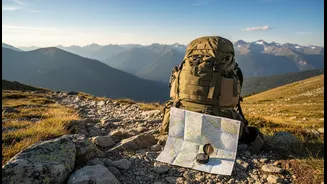
Your packing list for a monsoon trip to the hills should prioritize function over fashion. A good quality raincoat is essential, as an umbrella is often useless against strong winds. Pack sturdy, non-slip footwear, quick-dry clothes, and a torch. An emergency kit with basic medications, a power bank, and high-energy snacks is non-negotiable. The most important thing to pack, however, is a flexible mindset. Be prepared for delays and have a backup plan. This might mean booking refundable hotels or adding buffer days to your itinerary. A rushed, tightly packed schedule is a recipe for stress and risk during this season. A relaxed approach, perhaps staying at one base and taking short, weather-permitting excursions, is a much safer and more enjoyable way to experience Himachal in the rains.