



The Reality of Waterborne Diseases
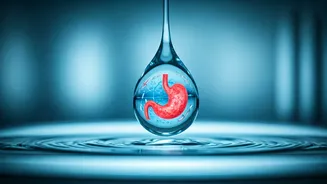
What we call “stomach drama” can be much more than a simple upset. It often refers to waterborne diseases caused by consuming water contaminated with harmful microorganisms like bacteria, viruses, and parasites. In India, common examples include cholera,
typhoid fever, dysentery, and giardiasis. These aren't minor inconveniences; they can lead to severe symptoms like intense diarrhoea, vomiting, high fever, and abdominal cramps. Cholera, caused by the Vibrio cholerae bacterium, can cause rapid dehydration that can be life-threatening if left untreated. Typhoid, a bacterial infection from Salmonella typhi, presents with high fever and fatigue, and can have serious complications. These illnesses are primarily transmitted through the faecal-oral route, where water sources become contaminated with sewage.
How Your Water Gets Contaminated
Water can become unsafe at any point on its journey from source to sip. In India, a major source of pollution is untreated sewage, which finds its way into rivers, lakes, and even groundwater. Agricultural runoff containing pesticides and fertilisers, along with industrial waste, further degrades water quality. Even if the municipal supply is treated, contamination can occur within ageing pipe infrastructure or through improper storage at home. Leaky pipes can allow pollutants to seep in, and storing water in unclean or uncovered containers can introduce germs, turning previously safe water into a health hazard. During monsoon season, the risk increases as flooding can overwhelm sanitation systems and contaminate wells and water tanks.
Boiling: The Simplest, Safest Method
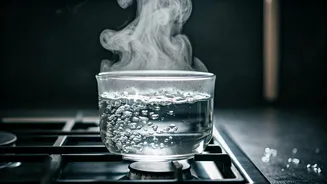
The most reliable and accessible method for making water safe is to boil it. The World Health Organization (WHO) confirms that bringing water to a rolling boil is sufficient to kill pathogenic bacteria, viruses, and protozoa. To be effective, let the water boil vigorously for at least one full minute. If you are at a high altitude (above 5,000 feet), you should boil it for three minutes. After boiling, allow the water to cool down naturally and store it in a clean, covered container to prevent re-contamination. While simple, this method effectively eliminates the microscopic organisms responsible for diseases like cholera and dysentery.
Choosing the Right Water Purifier
For many households, modern water purifiers offer a convenient and effective solution. The main technologies available are Reverse Osmosis (RO), Ultraviolet (UV), and Ultrafiltration (UF). An RO purifier uses a very fine membrane to remove dissolved salts, impurities, and heavy metals like arsenic and lead, making it ideal for treating hard water or groundwater. UV purifiers use ultraviolet light to kill bacteria and viruses by destroying their DNA, but they don't remove dissolved impurities. UF purifiers use a membrane with larger pores than RO to physically block bacteria and suspended solids but won't remove dissolved salts. Many modern purifiers combine these technologies (e.g., RO+UV) to provide comprehensive protection against a wide range of contaminants.
Beyond Purification: Everyday Safe Habits
Ensuring water safety isn't just about what you drink. Contaminated water used for other purposes can also make you sick. Be mindful of using unsafe water for brushing your teeth, washing fruits and vegetables, or making ice. Always wash your hands with soap and clean water before preparing food or eating. When storing water, use clean, food-grade containers with tight-fitting lids and avoid dipping hands or dirty utensils into them. If you are travelling or facing an emergency without access to boiling or filtration, water purification tablets containing chlorine or iodine can be an effective temporary solution to disinfect water.