






Why Fibre and Seasons Go Hand-in-Hand
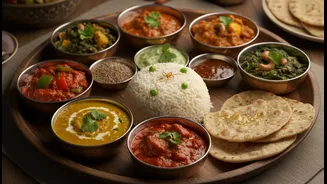
Dietary fibre, the indigestible part of plants, is a powerhouse nutrient. It aids digestion, helps manage weight by keeping you feeling full, regulates blood sugar, and can lower cholesterol. A traditional Indian diet, rich in whole grains, lentils, and vegetables,
is naturally high in fibre. However, the key to staying committed to healthy eating is variety. This is where seasonal eating shines. Produce that is in season is fresher, more flavourful, and often more affordable. Aligning your meals with India's distinct produce seasons—summer, monsoon, and winter—ensures a rotating cast of ingredients, making your high-fibre journey a delicious adventure rather than a chore.
Monsoon Marvels (July – November)
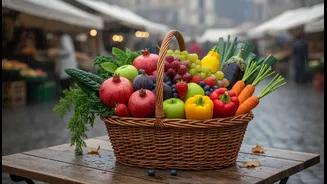
The rainy season brings a wealth of gourds and greens, perfect for hearty, fibre-rich dishes. Vegetables like bottle gourd (lauki), ridge gourd (turai), and pointed gourd (parwal) are abundant. While often relegated to simple curries, they have much more potential. Try making Lauki Ki Yakhni, a light yogurt-based curry, for a change. Spiny gourd (kantola), a monsoon specialty, has a crunchy texture and is packed with fibre. It can be stir-fried or used in regional dishes. Leafy greens like spinach (palak) and fenugreek (methi) are also excellent. Instead of a standard dal palak, try a creamy palak bhurji with crumbled paneer. The monsoon is also the time for fruits like jamun, plums, and peaches, which can be eaten fresh or made into chutneys.
Winter Wonders (November – March)
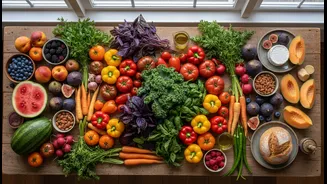
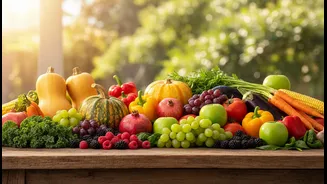
Winter brings a colourful array of root vegetables and leafy greens. Carrots, beets, radishes (mooli), and peas are at their peak. These vegetables are fantastic for boosting the fibre content of your meals. Think beyond simple salads and sabzis. Try roasting a medley of winter vegetables like carrots, cauliflower, and potatoes with Indian spices for a deeply flavourful side dish. A classic Aloo Methi, using fresh fenugreek leaves, is a comforting and fibre-packed choice. Millets like bajra and jowar, which are high in fibre, are traditionally consumed in winter in the form of rotis, providing warmth and sustained energy. Winter fruits such as guava, oranges, and pomegranate offer a refreshing dose of fibre and vitamins.
Summer Staples (March – July)
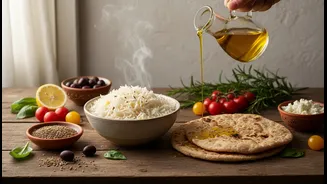
As temperatures rise, the market fills with vegetables that are light and easy to digest. Okra (bhindi), pumpkin (kaddu), and various beans are summer stars. Okra is particularly high in soluble fibre. Instead of a typical bhindi masala, try making a crispy Andhra-style crispy bhindi for a snack or side dish. Pumpkin can be used in both sweet and savoury dishes, from simple sabzis to flavourful stews. Whole grains like brown rice can be used to make light and refreshing lemon rice or vegetable pulao, providing a solid fibre base without feeling too heavy. Summer is also synonymous with mangoes, but don't forget other high-fibre fruits like watermelon and jackfruit (kathal), which can be enjoyed on their own or even used in curries.
Thinking Beyond Vegetables
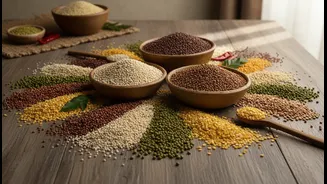
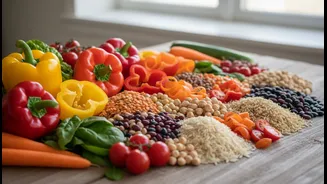
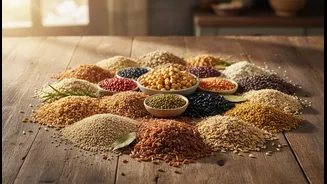
While vegetables are central, a truly diverse high-fibre diet incorporates other food groups. Legumes and lentils are Indian culinary staples and fibre heroes. Rajma, chana, and various dals are essential for adding both fibre and protein. Swap refined grains for whole alternatives like whole wheat atta for rotis, and incorporate millets such as ragi and jowar into your diet. For snacks, choose fibre-rich options like roasted chana or a handful of nuts and seeds like almonds and flax seeds. By combining these elements, you ensure your meals are not only interesting but also comprehensively nutritious.